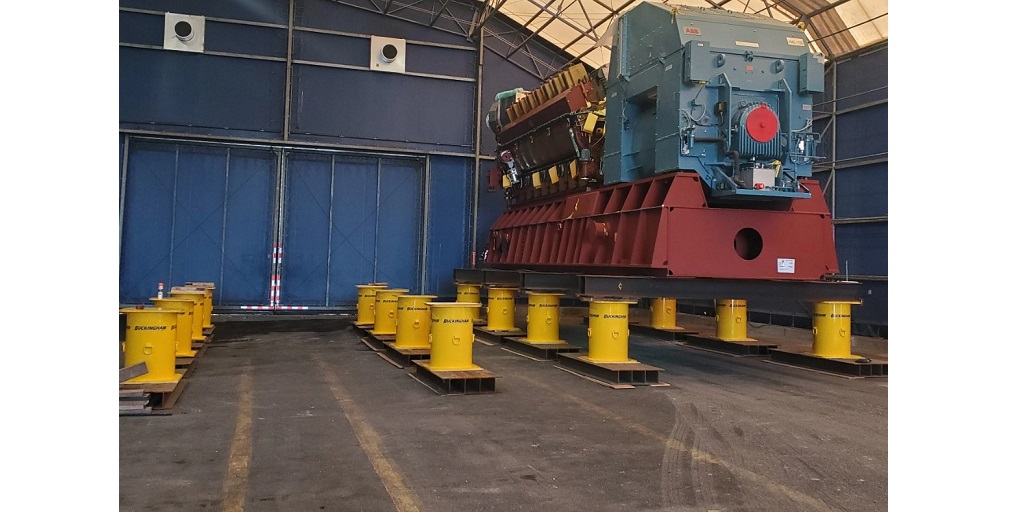
Big lifts don’t start with movement. They start with trust in what’s carrying the load. That’s where a beam lifting jack comes in, sitting right under the structure and taking on weight that doesn’t forgive mistakes.
Contractors working on structural moves or house lifting already know this feeling. Once the load is off the foundation, everything depends on control. The right setup of structural jacks and hydraulic lifting equipment keeps that control steady from the first lift to the final setdown.
Stable Beam Lifting Jack Setups for Precise Structural Support
Before modern systems, lifting beams meant slow, manual work. Crews relied on screw jacks, timber stacks, and a lot of patience. Progress came in inches, and every adjustment needed careful coordination.
Hydraulic systems revolutionized the industry by enabling synchronized, multi-point lifting. This modern beam lifting jack approach transformed heavy load management on active job sites.
Today’s building relocation tools combine precision and strength. Modern crews rely on synchronized pressure to lift structural sections with steady control, eliminating the need for constant manual adjustments and fundamentally improving the way projects are planned and executed.
Beam Lifting Jack Types And How Each One Earns Its Place On Site
Not every job uses the same jack. Different setups call for different tools, even when they’re all working under beams
Multi-purpose Jacks fit beam work perfectly, sitting flush and providing a stable, wide base to distribute weight and balance the load during movement.
During staged lifting, crib jacks work with cribbing stacks to raise structures incrementally. This controlled approach allows crews to make necessary adjustments between each step of the lift.
During many projects, beam lifting jack setups use crib jacks to support the load while other jacks reset. This cycling maintains lift stability and minimizes risk during extended operations involving layered cribbing.
Column jacks address height requirements with their superior vertical reach, lifting beams beyond standard heights. Their design provides crews more flexibility in confined spaces without necessitating systemic changes.
These jack types function as an integrated system. Selection depends on specific load movement, height requirements, and the necessary level of crew control.
Beam Lifting Jack Practices That Keep Projects Safe And Moving Forward
Lifting a structure brings risk into every step. Good crews treat setup as seriously as the lift itself. A beam lifting jack needs solid ground contact and proper alignment before pressure is applied.
Base support matters. Cribbing stacks should be level and secure before any lift begins. That foundation supports both the jack and the structure above it, keeping everything stable during movement.
Midway through operations, teams using a house lifting jack focus on pacing. Lifting too quickly can throw off alignment. Controlled increments keep the structure balanced and reduce stress on connection points.
Integrity on the job site starts with maintenance. Regularly maintaining hydraulic gear for leaks or pressure drops ensures precise responses. Even minor faults can compromise the steady control required once a structural move begins.
Clear communication ties everything together. Everyone involved in the lift should understand the sequence and timing. That shared awareness keeps the process coordinated from start to finish.
Beam Lifting Jack Systems That Hold The Job Steady From First Lift To Final Set
Every successful structural move comes down to control. A lifting jack provides that control where it matters most, right under the load.
For contractors planning a lift, having the right equipment changes how the entire project feels. Buckingham Structural Moving Equipment offers beam lifting jack built for real job conditions and complex structural moves. Reach out to their team and get the setup that keeps your next lift steady from the ground up.