
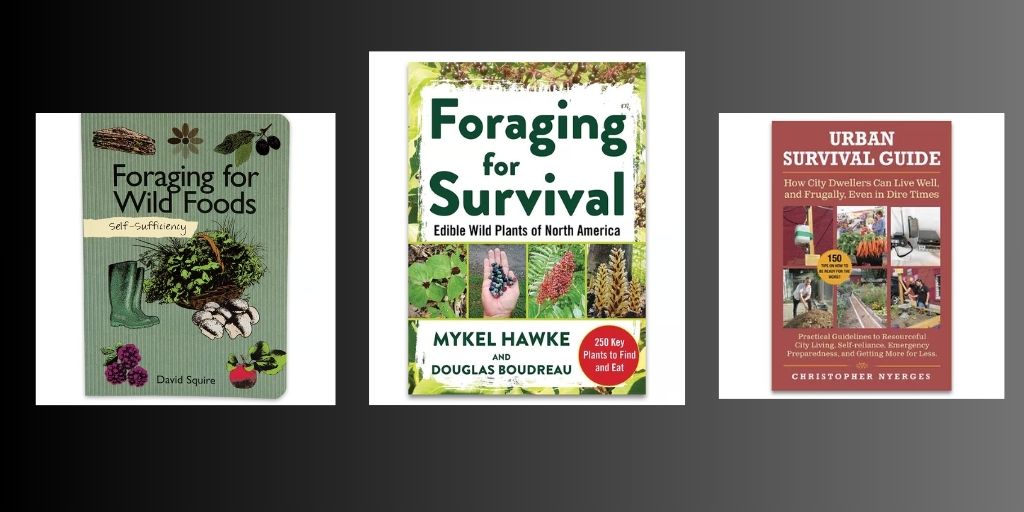
While a survival manual can teach you methods for starting fire, educate you on how to find or build shelter, and teach you what animals and plants are safe to eat – as well as which are not – you still need to be prepared with appropriate survival gear to ensure you’re prepared whenever the chips are down.
This doesn’t have to mean an SHTF or apocalyptic scenario. You could get snowed in while camping or lost while hunting. Either way, you need to make sure you have appropriate survival gear.
Appropriate Clothing
Appropriate clothing is your first line of defense against the elements. In the cold you will want loose fitting clothing and several layers, with a wool base layer and a windproof, waterproof shell. Gloves, a hat, and warm, waterproof boots are also a must.
In hot, dry conditions, you will want light, airy clothing that breathes, either linen or cotton, and which also protects you from the sun, helping to prevent sunburn and mitigate water loss.
FInding Shelter
You also need to be able to find or build shelter, which will vary considerably depending on where in the world you are. In the snow you will need to build a snow shelter; in the woods, you can build from wood. In the desert, natural shelters like caves or overhangs can be vital because you will have limited access to other resources.
Essential tools include but are not limited to a shovel, a pick, an ax, saw, and knife, are the simplest but most indispensable.
Fire Craft
Being able to make fire in the field is the difference between life and death. Always carry waterproof matches and a lighter as redundant backups of each other, along with an alternative fire starter method like a ferrocerium rod.
But also, go back to your survival manual and coach yourself on making fire from primitive friction methods. These are what you’ll need to rely on in a true survival situation if your lighter ever runs out of fuel, or once you’ve used up your last match.
Finding Water
You can (and should) always carry an emergency water reserve as a hedge against uncertainty, but it is how efficiently you can find and treat water, not how much you can carry, that will save you.
You must be able to find a water source, or gather water from runoff, melt, or precipitation. You can also harness water transpired from plants.
In many cases, this water will not be safe to drink and must be treated, either with tablets that destroy biological contaminants and remove sediment and toxins, or boiled to kill parasites and microbes.
Securing Food
While shelter, fire, and water are more important than food, the truth is, you will still need food at the end of the day to stay alive.
And, as is the case with water, it is how efficiently you can secure and prepare food, not how much you can carry, that will save you.
Learn which plants and animals are safe to eat in your area, where to find them, how to capture them, and how to prepare them. Your survival manual should be able to help with this.
Remember, it’s best to expend as little energy and time as possible in the pursuit of food. You want a high ratio between calories gained and minimal energy expended.
Sticking with It
While this short post only offers a very high level guide for being prepared in a disaster or survival situation, all of the pointers here can be valuable. Take some time to brush up on some basic skills through your survival manual, and be prepared the next time you venture into the field – no matter the reason.
For more information about Solar Powered Radios and waterproof matches Please Visit : CH Kadels
