
Walk down the cleaning aisle at your local supermarket and you’re bound to see two camps staring back at you: bleach wipes that promise serious disinfecting power and plant-based wipes waving eco-friendly credentials.
Both claim to keep your home clean, but they go about it in very different ways. That being said, which one actually makes more sense for everyday cleaning? Read on below to find out:
On Bleach Wipes and What They Do Best
Bleach wipes are all about strength. Cleaning strength, that is. They’re designed to kill germs fast and leave surfaces sanitized. If you’re cleaning areas that feel high-risk, such as bathroom counters, toilet seats, or trash can lids, bleach wipes can offer peace of mind. They work by breaking down bacteria and viruses at a chemical level – which is why hospitals and clinics rely on bleach-based cleaners.
That power comes with trade-offs, though. Bleach wipes often have a strong chemical smell, can irritate the skin, and may damage delicate surfaces if they’re used too often. Sure, they’re effective, but you wouldn’t call them “gentle” by any means.
How Plant-Based Wipes Approach Cleaning
Plant-based wipes focus on cleaning without harsh chemicals. As you might have guessed from the name, they make use of ingredients derived from plants such as vinegar, citric acid, or essential oils to lift dirt and grime. These wipes are popular in homes with kids, pets, or anyone sensitive to strong odors.
They’re great for cleaning up spills on your kitchen counters, tables, and other surfaces. While they don’t disinfect in the same aggressive way that bleach does, plant-based wipes can still remove dirt, grease, and many common germs through mechanical cleaning and mild antimicrobial ingredients. Some can even tackle and clean mold – but more on that in a bit.
Comparing Cleaning Power for Everyday Use
If the goal is heavy-duty disinfecting, bleach wipes are the clear winner. They’re better for situations where illness is a concern, or when you want maximum germ reduction. Having said that, though, most daily cleaning doesn’t actually require harsh chemicals that can also damage some surfaces if you are not careful.
For routine tidying, plant-based wipes can do the job just fine–or better. In addition to cleaning surfaces by removing dirt and debris, they can dissolve sticky residue, leave behind fewer chemical traces, and still offer natural disinfection power with antimicrobial plant-based compounds.
Safety, Health, and Air Quality at Home
This is where plant-based wipes shine. Bleach can interact with other cleaning products, and the fumes can linger and irritate eyes, lungs, and skin, especially in small or poorly ventilated spaces. Frequent exposure to bleach also isn’t ideal, particularly for children or pets who are closer to surfaces. By contrast, plant-based wipes tend to be much milder, on your hands, on different household surfaces, and in the air.
Cleaning Without Compromise: Introducing EC3 Wipes from Micro Balance Health Products
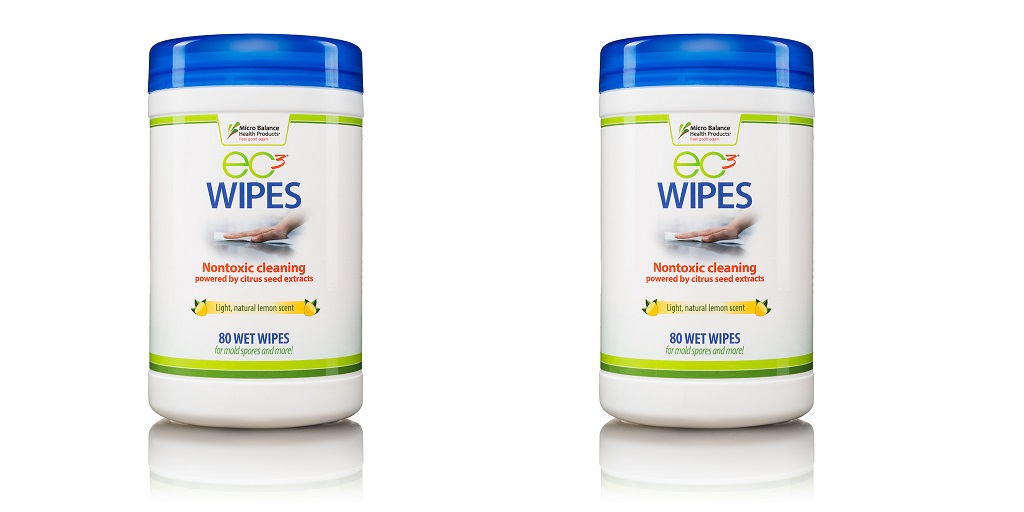
Bleach wipes have their place, but if you’re looking for a safe, nontoxic option, then you might want to consider using Micro Balance Health Products’ plant-based, EC3 Wipes. In addition to cleaning and deodorizing, they’re an effective way to tackle mold spores and mycotoxins anywhere and everywhere! Visit the Micro Balance Health Products website to order yours today!
