The concept of offshore wind farms and floating cities has gained significant traction in recent years as nations look for innovative ways to combat climate change, optimize urban expansion, and harness renewable energy. These ambitious projects require robust and reliable foundation systems that can withstand dynamic marine environments. One promising solution that has garnered interest is the helical piles foundation system. But can it truly support such massive offshore structures?
The Challenges of Offshore and Floating Structures
Offshore wind farms and floating cities present unique engineering challenges. These include extreme weather conditions, shifting seabed sediments, corrosion from saltwater exposure, and wave-induced vibrations. The stability of such structures depends largely on the foundation system used to anchor them securely. Traditional deep foundation methods, such as driven piles or gravity-based solutions, often require extensive underwater excavation and large-scale machinery, making them expensive and environmentally intrusive.
This is where helical piles foundations offer a competitive advantage. They can be installed with minimal seabed disturbance, require less heavy equipment, and provide immediate load-bearing capacity. This efficiency makes them an attractive option for sustainable marine infrastructure.
Why Helical Piles Are a Strong Candidate
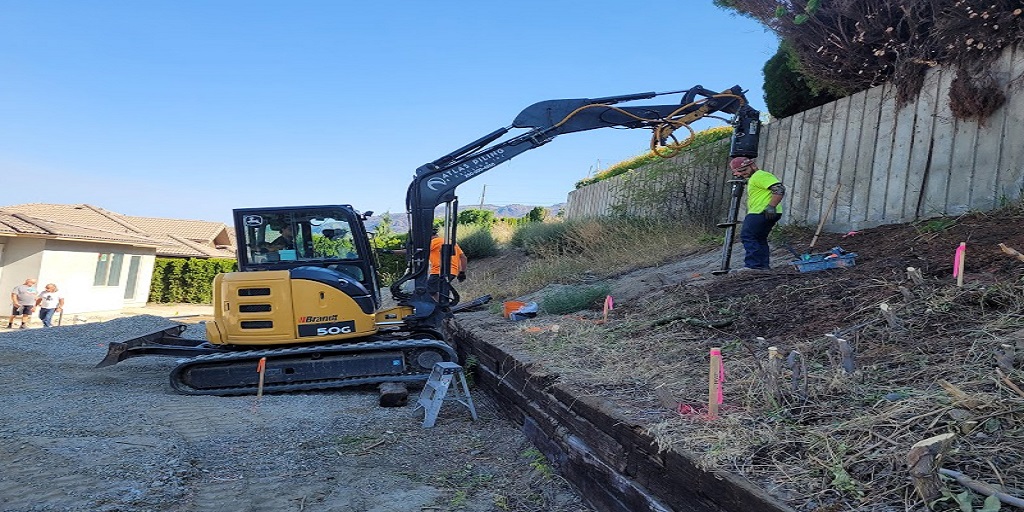
Originally used in civil engineering for supporting buildings, bridges, and telecommunication towers, this method has proven to be effective in various soil conditions. The adaptability of helical piles makes them an appealing choice for projects where traditional deep foundations, such as concrete piles, may not be viable or cost-effective.
- Ease of Installation. Helical piles can be installed quickly with specialized machinery, reducing overall project timelines and labor costs. Unlike traditional foundation methods that require time-consuming curing or settling, helical piles are immediately load-ready upon installation.
- Versatility in Various Soil Conditions. Whether dealing with soft marine sediments, rocky seabeds, or unstable clay layers, helical piles can be customized to different depths and diameters to accommodate site-specific conditions.
- Environmental Benefits. The installation process of helical piles generates less noise and vibration compared to driven piles, reducing disruptions to marine ecosystems and aquatic life. Additionally, they can be removed and reused, making them a sustainable choice for temporary offshore projects.
- Cost-Effectiveness. Since helical piles require fewer resources and a streamlined installation process, they offer a more economical solution for offshore developments.
Potential Applications in Offshore Wind Farms
The demand for offshore wind energy has surged as countries push for cleaner energy alternatives. For wind turbines installed at sea, foundation stability is crucial. Helical piles could serve as an excellent alternative to traditional monopile or jacket foundations, especially in regions with challenging seabed conditions.
By using helical piles, offshore wind farms could achieve greater flexibility in site selection, reducing dependency on shallow-water locations. Additionally, because helical piles distribute load efficiently, they may help improve the resilience of wind farms against high waves and storms.
Floating Cities and the Future of Coastal Development
The concept of floating cities is no longer confined to science fiction. Urban centers worldwide are exploring floating infrastructure to address rising sea levels and urban overpopulation. These futuristic developments require adaptable and durable foundation systems that can accommodate shifting water levels and unpredictable weather patterns.
Helical piles offer an innovative approach by anchoring floating platforms securely to the seabed without requiring massive dredging operations. This method could provide much-needed stability for floating residential areas, commercial hubs, and even emergency shelters in flood-prone regions.
As offshore wind farms and floating cities move from concept to reality, finding efficient, sustainable, and cost-effective foundation solutions will be critical. The helical piles foundation system presents a promising alternative to traditional offshore foundations, offering numerous benefits such as ease of installation, environmental sustainability, and adaptability in diverse conditions.
For more information about Drilling Service Company Bc and Best Drilling Service Please visit: ATLAS PILING.