
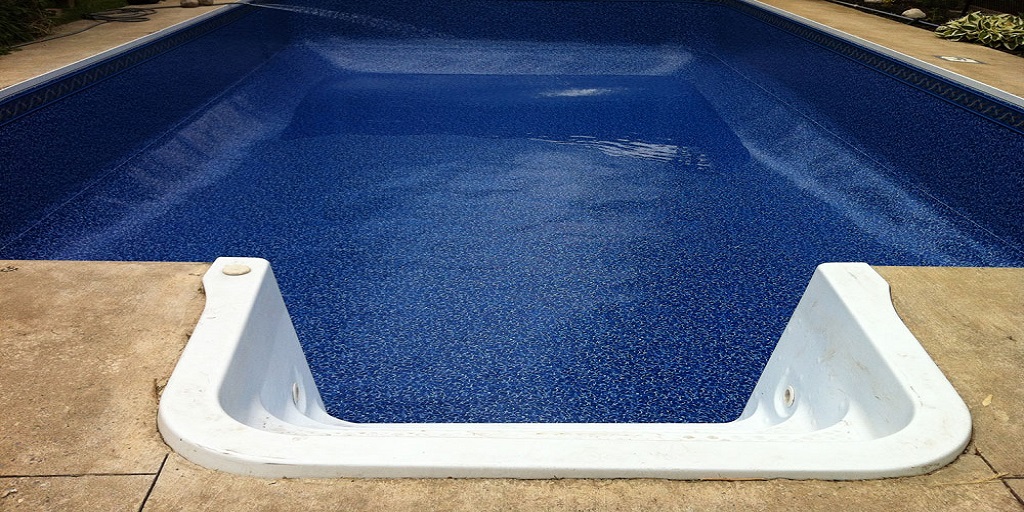
Opening your pool for the season is one of the most anticipated tasks of the year for pool owners, signaling the return of warm days, family gatherings, and backyard relaxation. But getting your pool up and running after months of winter hibernation requires more than just pulling off the cover and diving in.
Whether you’re a seasoned pool owner or new to pool care, a systematic approach ensures your pool is clean, safe, and ready for swimmers. This checklist includes critical steps like seeing if you need a vinyl pool liner replacement and other important maintenance issues that can arise from one year to the next.
Remove, Clean, and Store the Pool Cover
Pool covers prevent debris and algae growth during the off-season. Proper removal ensures your pool starts clean.
- Remove standing water using a pool cover pump or wet/dry vacuum.
- Clear debris with a soft broom or leaf blower.
- Gently remove the cover, avoiding dragging dirt into the pool.
- Rinse and dry the cover thoroughly to prevent mold.
- Store in a cool, dry location folded neatly or rolled to avoid cracking.
Inspect and Clean the Vinyl Pool Liner
Vinyl liners are vulnerable to wear and tear. Cracks, wrinkles, or tears can compromise pool structure and water quality.
- Look for visible damage: Signs include fading, tears, holes, wrinkles, or slippage from the coping track.
- Feel for brittleness: If the vinyl feels stiff or brittle, it may be nearing the end of its lifespan.
- Check waterline stains or algae: Persistent discoloration could indicate deeper issues behind the liner.
- Inspect liner seams: Separated or lifting seams often require professional repair.
When to call a pro:
- Extensive cracking or fading
- Bubbling or lifting of the liner
- Seams pulling apart
- Soft spots under the liner
If you notice any of these issues, it’s time to consult a pool maintenance professional for a possible replacement. If you’re located in or around the Memphis, Tennessee area, we highly recommend Smith Pool. They are specialists in vinyl pool liner replacements and other aspects of in-ground pool maintenance.
Clean and Fill the Pool
Debris and low water levels can damage your pump and clog your filter.
- Skim out leaves and debris using a long-handled net.
- Vacuum the bottom to remove dirt, algae, and silt.
- Top off the water to reach mid-skimmer level.
Power Up and Test the System
You need to ensure your system is circulating, filtering, and heating properly.
- Prime and start the pump.
- Run the filter for at least 24 hours to circulate the water.
- Check for unusual noises, leaks, or weak pressure.
- Test heater (if you have one) to ensure it activates and heats properly.
Balance Your Water Chemistry
Balanced water prevents algae, prolongs equipment life, and keeps swimmers safe.
- Test water using a kit or strips for:
- pH (ideal: 7.4–7.6)
- Alkalinity (80–120 ppm)
- Calcium hardness (200–400 ppm)
- Cyanuric acid (30–50 ppm)
- Chlorine or sanitizer levels
- Shock the pool with chlorine to eliminate contaminants.
- Add algaecide or clarifier as needed.
- Let the water circulate 24–48 hours before retesting.
Don’t Skip the Liner Inspection
The condition of your vinyl liner can make or break your season. A compromised liner risks water leakage, structural damage, and even unsafe swimming conditions. If your liner is more than 7–10 years old, showing signs of wear, or giving you ongoing issues, it’s worth having a professional assess whether it’s time for a replacement.
By following this checklist and addressing issues early, you can enjoy a clean, safe, and refreshing pool all season long, without any unexpected surprises!
