
Imagine this: You’ve just moved into your dream home. Everything seems perfect until one rainy afternoon, you notice cracks forming in the walls and the doors start sticking. Panic sets in as you realize there might be an issue with the foundation. Unfortunately, this is a situation many homeowners face. The foundation of your home is its bedrock, ensuring stability and durability. However, various factors can undermine even the most well-constructed foundation, leading to significant structural issues.
Common Causes of Foundation Problems
Foundation problems can lead to significant structural issues in a building if not addressed promptly. Understanding the various factors that can compromise a foundation is crucial for homeowners and builders alike. Some of the primary causes include:
- Soil movement. One of the primary causes of foundation issues is soil movement. This can occur due to changes in moisture levels, which cause the soil to expand or contract. In regions with expansive clay soils, this phenomenon is particularly common and can lead to significant shifts in the foundation over time.
- Poor drainage. Improper drainage around the foundation can result in water pooling near the base of the structure. Over time, this constant moisture can weaken the foundation walls and footings, leading to cracks and settlement.
- Tree roots. While trees provide shade and aesthetic value, their roots can pose a threat to foundations. As tree roots grow, they can exert pressure on the foundation walls, causing them to crack or shift. Moreover, trees absorb moisture from the soil, potentially causing differential settlement around the foundation.
- Inferior construction. Foundations that are poorly designed or constructed are more susceptible to problems in the long run. This includes using substandard materials, inadequate reinforcement, or improper installation techniques.
- Extreme weather conditions. Severe weather events such as droughts, floods, or frost heave can exert immense pressure on foundations. For instance, prolonged drought can cause the soil to shrink and pull away from the foundation, while heavy rains can saturate the soil and increase hydrostatic pressure against the foundation walls.
- Plumbing leaks. Undetected leaks in plumbing lines beneath the foundation can lead to erosion of the soil beneath the foundation footings. This erosion compromises the support provided by the soil, leading to foundation settlement and structural instability.
- Poor maintenance. Neglecting regular maintenance and inspection of the foundation can allow minor issues to escalate into major problems over time. Early detection of cracks, leaks, or signs of settlement can prevent costly repairs down the road.
Helical Piles Foundation and Its Benefits
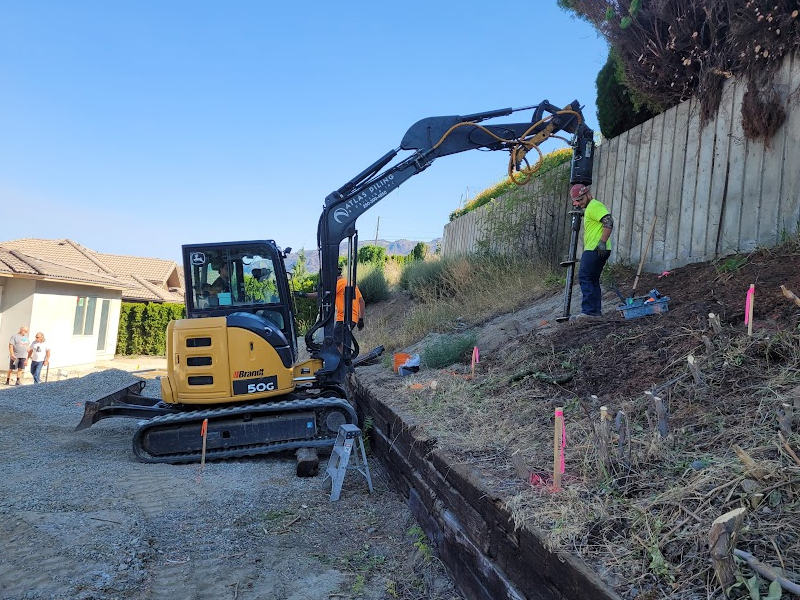
Helical piles foundation have emerged as a popular solution to foundation problems. These piles are installed deep into the ground, reaching stable soil layers that can support the weight of the structure. The helical shape of these piles allows for better distribution of weight and increased resistance to soil movement.
By using helical piles foundation, homeowners and builders can mitigate many of the common causes of foundation problems mentioned above. The installation process minimizes disturbance to the surrounding soil, reducing the risk of soil settlement. Additionally, helical piles can be installed in a variety of soil conditions, including areas with high water tables or expansive clay soils.
Understanding the common causes of foundation problems is crucial for ensuring the long-term stability of any structure. Whether it’s soil movement, poor drainage, or extreme weather conditions, proactive measures can help mitigate these risks. Helical piles foundation represents a modern approach to building stability, offering durable and reliable support for residential and commercial structures alike.
For more information about Best Drilling Company and Commercial Drilling Service Bc please visit:-ATLAS PILING
