
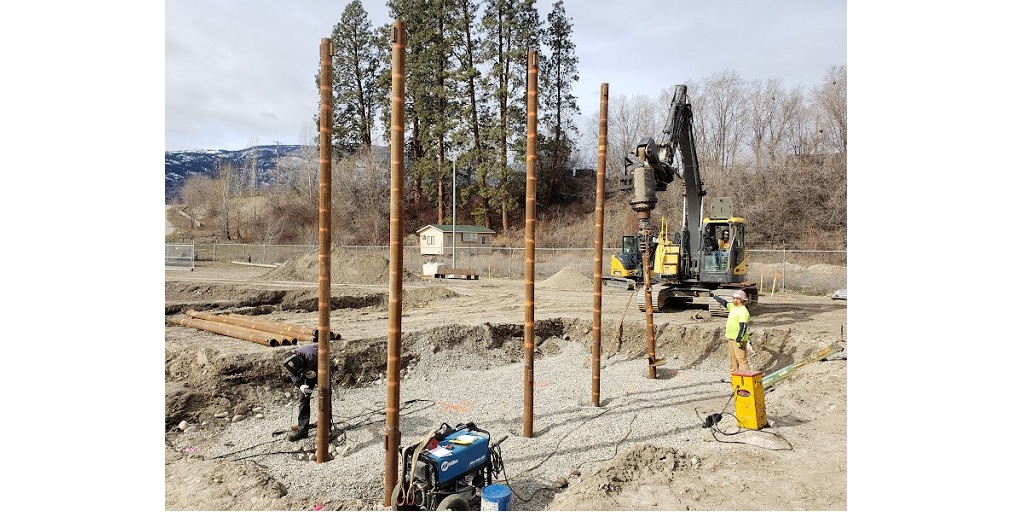
The installation of helical piles is a critical step in the foundation construction process, as it lays the groundwork for the entire structure’s stability and longevity. While helical piles offer numerous advantages over traditional foundation systems, improperly installing them can lead to a host of issues, from structural integrity concerns to costly repairs down the line. By understanding the common mistakes to avoid, construction professionals can ensure that helical pile installations are executed with precision and efficiency, ultimately delivering a solid foundation that stands the test of time.
Inadequate Site Evaluation
One of the most crucial steps in the helical pile installation process is a thorough site evaluation. Failing to properly assess the soil conditions, underground utilities, and other site-specific factors can result in the selection of an inappropriate pile design or installation method. This can lead to issues such as insufficient bearing capacity, uneven settlement, or even damage to existing infrastructure. Conducting a comprehensive geotechnical analysis and site survey is essential to identifying the optimal pile configuration and installation approach for the project.
Improper Pile Selection
Choosing the right helical pile for the job is crucial to ensuring a successful installation. Factors such as the project’s load-bearing requirements, soil characteristics, and environmental conditions must be carefully considered when selecting the appropriate pile size, helix configuration, and material. Selecting piles that are not properly sized or suited for the specific application can compromise the foundation’s stability and performance, potentially leading to structural failures or premature deterioration.
Incorrect Pile Alignment
Proper alignment of the helical piles during installation is paramount to maintaining the structural integrity of the foundation. Piles that are not perfectly plumb or are installed at the wrong angle can result in uneven load distribution, increased stress on the piles, and potential issues with the superstructure. Careful monitoring and adjustment of the pile alignment throughout the installation process is essential to ensuring a stable and level foundation.
Insufficient Torque Monitoring
The torque-based installation process is a key feature of helical piles, as it allows the piles to be securely anchored into the soil. Failing to accurately monitor and record the torque applied during installation can result in piles that are not driven to the required depth or bearing capacity. This can compromise the overall strength and stability of the foundation, potentially leading to settlement, tilting, or other structural problems down the line.
Inadequate Pile Termination
The depth at which helical piles are terminated is a critical factor in their performance and longevity. Stopping the installation too soon can result in insufficient bearing capacity, while driving the piles too deep can cause damage to the piles or surrounding soil. Carefully following the project’s design specifications and geotechnical recommendations is essential to ensuring that the piles are terminated at the optimal depth for the application.
Lack of Quality Control
Maintaining a robust quality control process throughout the helical pile installation is crucial to ensuring a successful outcome. This includes regular inspection and testing of the piles, monitoring of installation procedures, and careful documentation of all critical data. Failing to implement a comprehensive quality control program can lead to inconsistencies in pile performance, increased risk of defects, and potential liability issues.
Conclusion
Avoiding these common mistakes is essential to ensuring a successful helical pile installation and the long-term stability of the foundation. By prioritizing site evaluation, proper pile selection, accurate alignment, thorough torque monitoring, appropriate termination depth, and robust quality control, construction professionals can deliver a reliable and durable foundation system that meets or exceeds the project’s requirements.
At Atlas Piling, the company’s team of experienced engineers and installation experts work closely with clients to provide comprehensive helical pile solutions that address these common installation pitfalls. From detailed site assessments and pile design to precise installation and comprehensive quality assurance, Atlas Piling’s holistic approach ensures that each project is executed with the utmost care and attention to detail. By partnering with Atlas Piling, clients can rest assured that their foundation systems will be built to the highest standards, delivering long-lasting performance and peace of mind.
