
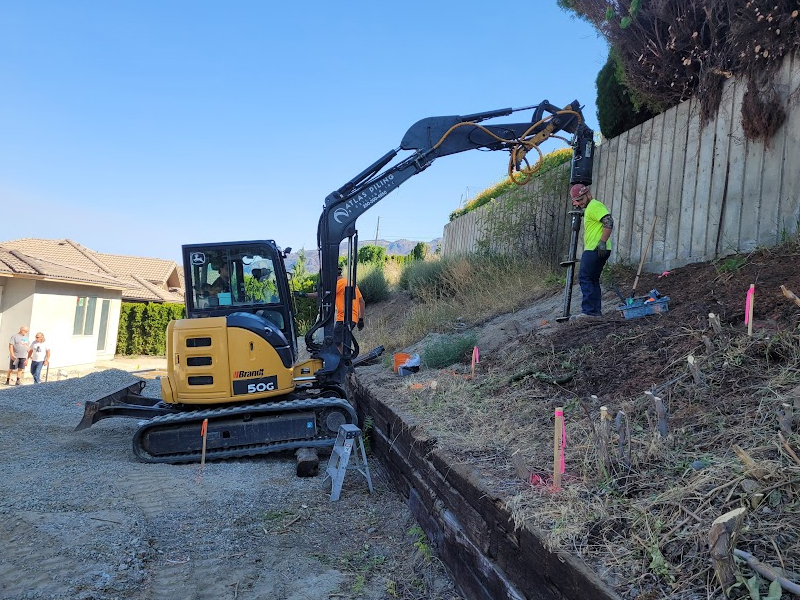
For property owners building on uneven or unstable terrain, insurance premiums can quickly become a major expense. Insurers often assess risk based on the potential for foundation failure or structural damage. Buildings on soft soil, clay, or areas prone to shifting may trigger higher premiums due to the increased likelihood of costly repairs. This has led builders and engineers to explore foundation options that both stabilize structures and can impact insurance considerations. Helical pile solutions are increasingly gaining attention as a potential factor in lowering these costs.
How Helical Pile Solutions Improve Stability
Helical piles provide strong support in conditions where traditional foundations may struggle. By anchoring a building deep into load-bearing soil layers, these systems help reduce settlement and uneven structural movement. While their main benefit is structural, there’s a secondary advantage that often goes underappreciated: the potential to influence insurance costs. Insurers tend to favor foundations that demonstrate proven reliability and lower the risk of damage, which can directly affect premiums.
Reducing Risk for Insurers
Buildings that rely on conventional shallow footings over soft or expansive soils face higher risks. Seasonal soil movement, frost heave, and water saturation can cause shifting or cracking, often resulting in expensive claims. Helical pile solutions help mitigate these risks by distributing building loads more evenly and anchoring structures into stable strata. This reduces the likelihood of structural problems over time, which insurers consider a positive factor when assessing premium rates.
Documented Performance Matters
Insurance providers also look at the long-term track record of foundation types. Helical piles have decades of engineering data showing reliability, especially in areas with variable soil conditions. This documented performance can strengthen the case when applying for coverage. Some insurers may recognize the reduced risk profile and offer lower premiums or more favorable policy terms compared to properties built on less secure foundations.
Collaborating With Engineers
While benefits aren’t automatic, integrating helical pile solutions into construction plans can improve the chances of lower insurance costs. Engineers can provide detailed reports on expected foundation performance, showing underwriters that the building is well-protected against shifting or settling issues. Such documentation helps insurers make informed decisions, potentially resulting in better rates.
Broader Advantages Beyond Insurance
Stable foundations also improve project predictability. Builders experience fewer delays and reduced maintenance concerns, which indirectly supports the financial stability of the property. Insurers often consider the broader risk environment, so a stable, well-documented foundation can strengthen the case for reduced exposure.
Who Benefits the Most
Not every property will see a significant reduction in insurance premiums. Buildings constructed on challenging soil types, however, stand to gain the most. Helical pile solutions are particularly beneficial for residential developments on clay or soft-fill soils, small commercial buildings, and renovations that require foundation reinforcement. Even modest reductions in premiums can justify the investment in a high-performance foundation, while also improving long-term reliability.
Buildings constructed with helical pile solutions may enjoy more than just structural stability. For structures on unstable ground, these foundations can influence insurance premiums by lowering the probability of failure and providing documented performance data. While results vary depending on the insurer and location, incorporating this solution demonstrates a proactive approach to managing risk, potentially translating into financial savings over the building’s lifetime.
For More Information About Commercial Piling Services Bc and Underpinning Services Bc Please Visit: ATLAS PILING.
