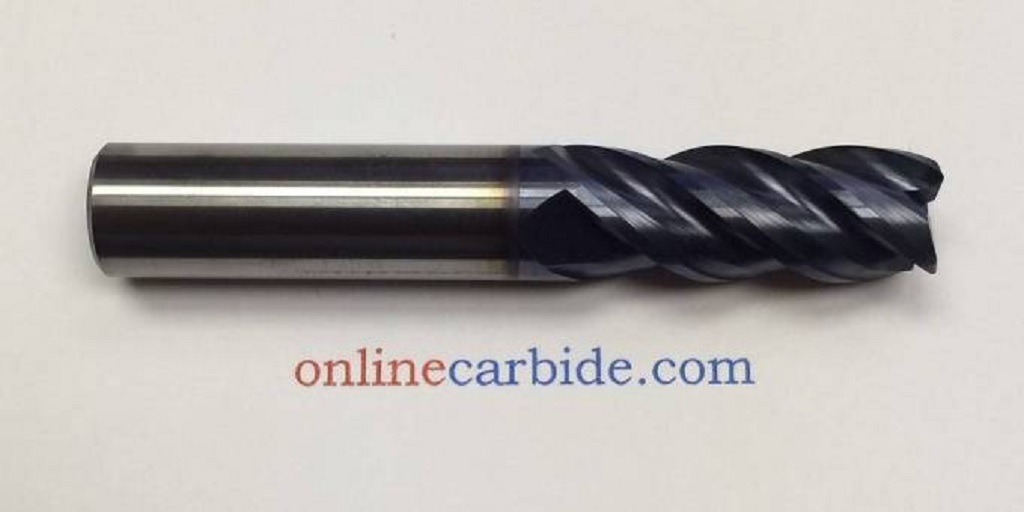
Machining can have different processes, and all these processes can set different kinds of issues and problems that are unique to the tool and the material that is used. When it comes to end mills, there can be specific issues that can be resolved either through changing the application method or the tool.
So which common end mill problems can be solved with these options?
Excessive Vibration
When you put the material or workpiece into the machine and the moment the tool engages the workpiece, there is too much vibration and chatter that comes from the machine. There are several ways you can manage this issue:
- Increase the feed of the material to the machine.
- Reduce the cutting force or speed of the feed.
- Reduce the axial or radial depth of the cut.
- Change to a stub end mill or use a variable flute end mill.
Poor Connection Between Machine and Tool
Improper handling can cause a poor connection between a tool and a machine, which can result in scrapped parts, and tool runout. The tool holder in the machine should have a firmer hold with the shank, and a hydraulic tool holder can offer better machining performances. Possible solutions include the following:
- Repair the machine or the holder.
- Replace the tool with a more durable end mill.
Rough Surface Finish
When the surface is uneven and rough even if the end mill used is appropriate for the material. You can do the following:
- Change to an end mill with a higher helix angle.
- Change your tool to an end mill with more flutes.
Wrong Coating for Tool
If you are working on a material such as aluminum but use an end mill with the wrong coating, it could damage your tool or the material immediately. For example, appropriate end mills for aluminum should be ZrN coated to reduce friction. Possible solutions include:
- Look up the coatings of your tools and their purposes
- Make sure the coating that you’re using is appropriate for your work material
Using an End Mill with the Wrong Flute Count
If you use a tool with the wrong flute count, it can impact the output and can affect the tool too. A low flute count on the wrong material can weaken the tool and make it less sturdy. Low flute counts are better suited for softer materials, such as aluminum.
Higher flute counts are for harder materials, like steel. The possible solutions include:
- Regrind the earlier stages of the process.
- Add a margin when you are seeing a rougher finish than you intended.
- Choose an end mill with the appropriate flute count.
There’s Always a Solution
When it comes to machining, you will always have some issues whether you are a beginner or an expert. But there are always ways to resolve an issue, and when it comes to end mills, it can simply be a change of tools, a change of strategy, or a simple way of preparing the right end mills for the target materials.