
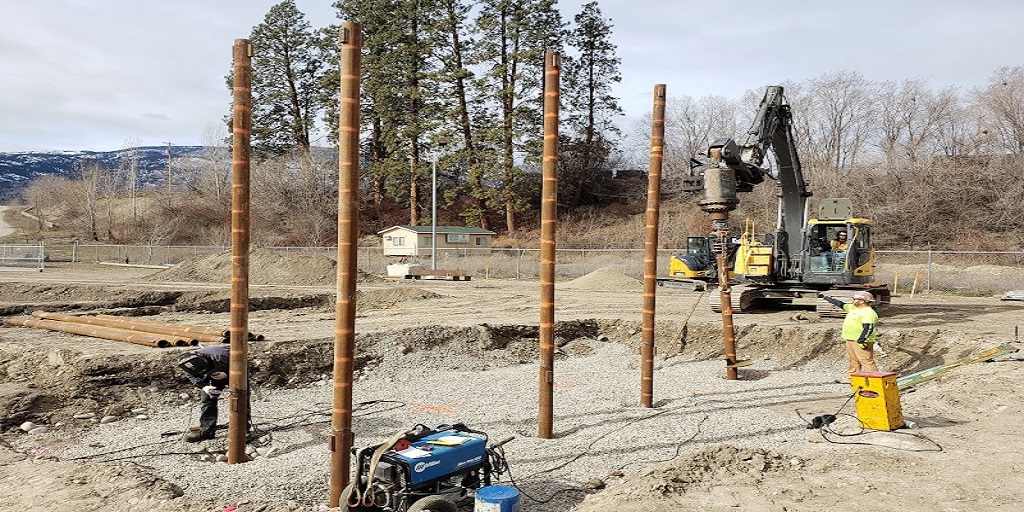
When it comes to building a deck, choosing the right foundation is crucial. A solid foundation ensures stability, longevity, and safety for your outdoor space. One such foundation option gaining popularity is the use of helical piles for decks. These innovative foundation systems offer a perfect blend of durability and strength, making them an ideal choice for deck construction in a variety of settings.
The Evolution of Deck Foundations
Historically, wood posts or concrete footings were the standard for supporting decks. However, both methods have their drawbacks. Wood can deteriorate over time due to moisture exposure, and concrete footings require extensive excavation and drying periods. Both options are prone to shifting, which can compromise the deck’s stability. Enter helical piles — a modern alternative designed to overcome these challenges.
What Are Helical Piles?
The unique design of helical piles for decks provides several advantages. As the pile is screwed into the ground, it anchors deeply and securely, reaching stable soil layers that offer maximum load-bearing capacity. This method eliminates the need for wet concrete and allows immediate use of the deck after installation. The helical blades help distribute the weight of the deck evenly, preventing any settling or shifting that could cause uneven surfaces or stability issues.
Benefits of Using Helical Piles for Decks
Helical piles provide several key benefits for deck foundations, making them a smart choice for enhancing durability, strength, and cost-effectiveness, especially in Canadian climates.
1. Enhanced Durability
Helical piles are made from high-quality, corrosion-resistant steel, ensuring they can withstand harsh weather conditions and the test of time. They are ideal for Canadian climates, where freezing temperatures and heavy snowfall can pose challenges for conventional foundations. The robust construction of helical piles provides peace of mind, knowing your deck will remain intact and stable throughout the years.
2. Strength and Load-Bearing Capacity
One of the standout features of helical piles is their impressive load-bearing capacity. The design allows the piles to support heavy decks without any risk of sinking or tilting. Whether you’re planning to place a hot tub, grill, or multiple pieces of patio furniture on your deck, helical piles offer the strength needed to support these additional weights.
3. Speed and Cost-Effectiveness
Installing helical piles is a fast process that minimizes disruption to your property. The mechanical installation eliminates the need for extensive excavation, and you don’t have to wait for concrete to cure. This translates to significant time and cost savings, especially when compared to traditional methods. Additionally, the quick installation time means you can enjoy your new deck sooner.
4. Environmentally Friendly
Helical piles have minimal impact on the environment. The installation process is less invasive, reducing the carbon footprint associated with deck construction. With fewer materials used and less soil disturbance, they offer a greener solution for building your outdoor living space.
Applications Beyond Decks
While helical piles are particularly beneficial for deck foundations, their applications extend beyond residential use. They are commonly used in commercial and municipal projects where strength and durability are paramount. From supporting bridges and boardwalks to underpinning existing structures, helical piles provide reliable support in a variety of settings.
