
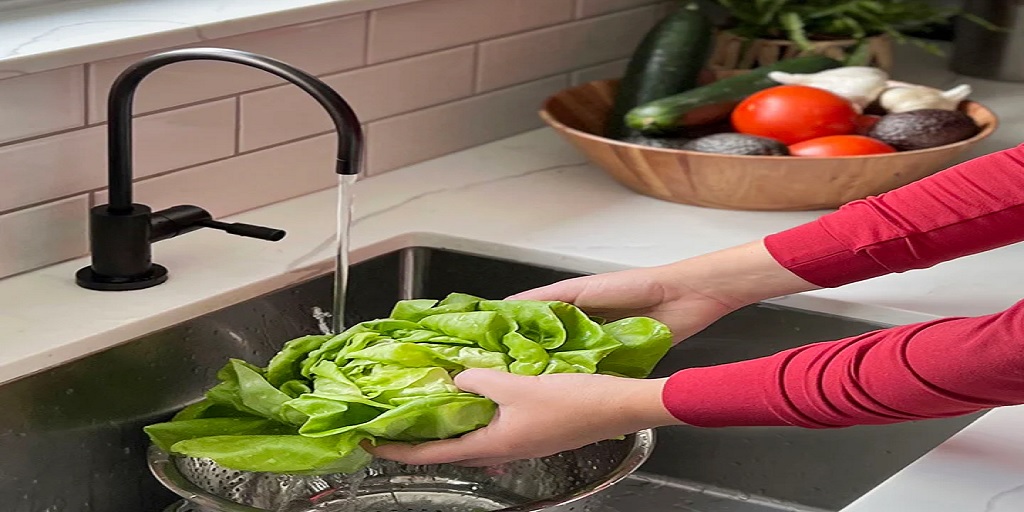
Access to clean, safe drinking water is essential for every household. With various filtration systems available, it can be challenging to decide which type best suits your needs. Two popular options are point-of-use filters and whole-home filtration systems, each offering distinct advantages depending on your specific requirements. Here’s a comparison to help you determine the best drinking water filtration system for your home.
Point-of-Use Water Filtration Systems
Point-of-use (POU) systems filter water at a single location, such as a kitchen sink water filter. These systems are designed for targeted filtration, ensuring high-quality water for drinking and cooking.
Advantages of Point-of-Use Filters
- Filtration Precision: POU systems can employ advanced filtration methods, such as reverse osmosis (RO), to remove a wide range of contaminants, including heavy metals, chlorine, pesticides, and microorganisms. Though many POU filters will use simple carbon filters.
- Affordable and Easy to Install: Compared to whole-home systems, POU filters are generally more budget-friendly. Many models are easy to install, requiring minimal setup and maintenance.
- Targeted Filtration: These systems focus on water used for consumption, ensuring the highest quality for drinking and cooking without filtering water that isn’t ingested, such as for laundry or cleaning.
- Compact Design: POU systems are space-saving, making them ideal for smaller homes or apartments. They fit conveniently under sinks or attach directly to faucets.
Limitations of Point-of-Use Filters
- Limited Coverage: These systems only filter water at one location, leaving other water sources in the home untreated.
- Lower Flow Rates: Some models, like RO systems, may slow water flow due to the filtration process.
Whole-Home Water Filtration Systems
Whole-home filtration systems treat water at the point it enters your home, ensuring all water used throughout the household is filtered.
Advantages of Whole-Home Filters
- Comprehensive Coverage: Whole-home systems ensure that every faucet, shower, and appliance in your home receives filtered water. This is particularly beneficial in areas with high levels of sediment, chlorine, or hard water minerals.
- Improved Appliance Longevity: By reducing scale buildup and contaminants, these systems protect appliances like water heaters, dishwashers, and washing machines, extending their lifespan.
- Better Skin and Hair Health: Filtering water for showers and baths can reduce exposure to chlorine and other chemicals that may irritate skin or hair.
- Convenience: Whole-home systems operate automatically and require less frequent maintenance than smaller POU systems.
Limitations of Whole-Home Filters
- Higher Initial Cost: Installation and equipment costs are significantly higher compared to point-of-use systems.
- Generalized Filtration: Whole-home systems are not always as specialized as POU filters. For example, they may not include reverse osmosis membranes for removing specific contaminants like lead or arsenic.
- Complex Installation: These systems typically require professional installation, adding to the upfront cost.
Which System Is Best for You?
The right choice depends on your household’s specific needs and water quality concerns.
- Choose a Point-of-Use Filter If:
- You primarily need high-quality water for drinking and cooking.
- Your water supply is relatively clean but contains taste and odor issues or specific contaminants.
- You prefer an affordable, low-maintenance solution.
- Choose a Whole-Home Filter If:
- You want all the water in your home to be treated, including for bathing, cleaning, and appliances.
- Your water supply has widespread issues, such as high sediment, chlorine, or hard water minerals.
- You’re willing to invest in a long-term, comprehensive solution.
Both point-of-use and whole-home water filtration systems have their advantages, and the best choice depends on your specific needs. For targeted drinking water solutions, POU filters offer high precision and affordability. However, if you’re seeking comprehensive protection for your entire household, a whole-home filtration system provides unmatched convenience and coverage.
By understanding the benefits and limitations of each system, you can select the best option to ensure clean, safe, and great-tasting water for your home.
