
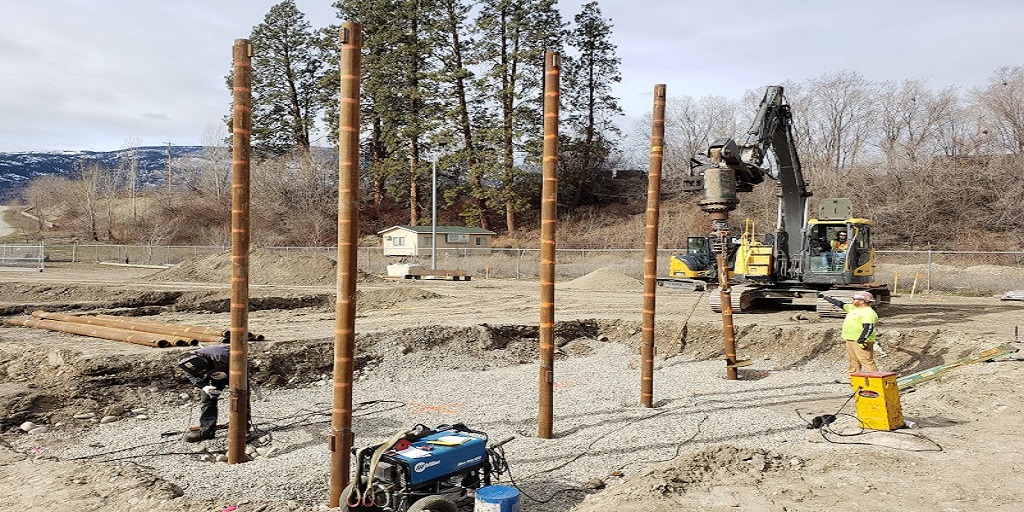
When it comes to foundation stability, using materials and techniques built to last is paramount. Helical piles have become a reliable solution for various construction needs, from residential projects to large-scale industrial applications. However, not all helical piles are created equal. Let’s explore the essential factors that determine whether BC helical piles meet high industry standards, ensuring that these structures remain durable, safe, and effective for the long term.
The Role of Quality Materials in Helical Pile Manufacturing
Manufacturers typically use high-strength steel, which provides the necessary resilience to withstand compressive and tensile forces. Inferior materials may reduce load-bearing capacity and increase the risk of corrosion over time, compromising the foundation’s stability. Builders seeking BC helical piles must verify that the steel used complies with stringent engineering requirements, ensuring longevity and strength under varying soil conditions.
Galvanization is another factor that ensures long-term durability. Coating the steel piles with zinc provides corrosion resistance, especially in areas prone to moisture and fluctuating temperatures. This added protection is essential for maintaining the integrity of helical piles for years, whether used for supporting decks, retaining walls, or elevated structures.
Industry Standards and Certifications to Look For
High-quality BC helical piles should adhere to recognized industry standards. Compliance with these standards ensures that piles perform as expected in real-world conditions, supporting the structural load without deformation or failure. Reputable manufacturers align their processes with guidelines established by organizations such as the American Society for Testing and Materials (ASTM) and the International Building Code (IBC). These certifications act as a benchmark for ensuring the material, design, and performance are up to par.
Additionally, piles that undergo independent testing offer further assurance. Certified installers often rely on third-party inspections to confirm torque ratings and load capacity, giving builders peace of mind that the foundation system will remain reliable even under challenging environmental conditions.
Precision Manufacturing for Optimal Performance
Accurate welding and consistent fabrication techniques ensure that each pile meets the same high standards. Even slight defects can create weak points, reducing the pile’s ability to withstand heavy loads. Reliable BC helical piles are manufactured with strict quality control processes, which minimize imperfections and guarantee structural integrity.
One of the key features of helical piles is the helix plate that drives the pile into the soil. The size, shape, and angle of the helix are carefully engineered to provide maximum soil interaction and load-bearing capability. Proper alignment and installation are essential to ensure the pile reaches its design capacity, making precision during manufacturing and installation crucial.
Partnering with Experienced Installers
While high-quality materials and manufacturing are critical, proper installation is equally important. Even the best BC helical piles can underperform if they are not installed according to recommended procedures. Installation by trained and experienced professionals ensures the piles are driven to the correct depth and torque specifications. Professional installers also account for soil type, environmental factors, and load requirements to ensure that the helical pile system performs optimally throughout its lifespan.
In many cases, modern equipment and technology are used to monitor torque levels during installation, ensuring that the piles are secure in the ground. This precision minimizes the risk of settling and uneven load distribution, ensuring that the structure above remains stable over time.
Choosing helical piles made from high-quality materials and built to industry standards ensures a foundation system that performs reliably for years. From using high-strength, corrosion-resistant steel to ensuring precise fabrication and proper installation, each step in the process contributes to the overall success of the structure.
