
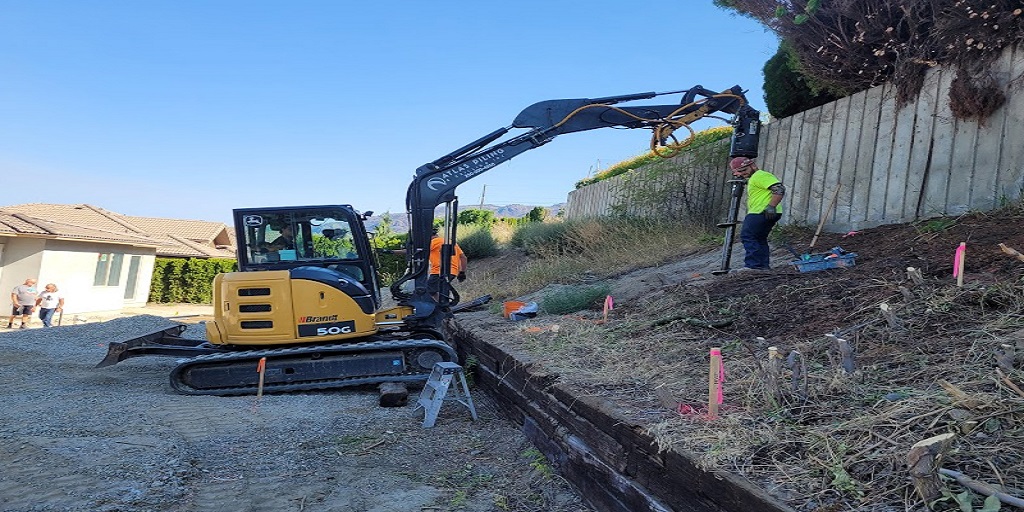
Helical piles are a popular foundation solution for a wide range of construction projects, known for their versatility, strength, and ease of installation. However, the effectiveness of a helical pile system depends not only on the pile itself but also on the choice of brackets and caps that connect the pile to the structure it supports. These components play a crucial role in ensuring stability and long-term performance. Here are the different types of brackets and caps used in helical pile solutions, helping you make informed decisions for your next project.
Foundation Brackets: Supporting Your Structure
Foundation brackets are the key connectors between the helical pile and the structure it supports. These brackets are designed to transfer the load from the structure to the pile, ensuring the foundation’s stability. There are several types of foundation brackets, each tailored for specific applications:
- Adjustable Foundation Brackets. These brackets offer flexibility during installation, allowing for precise height adjustments to match the structure’s needs. They are particularly useful in situations where exact alignment is crucial or when the structure may settle over time.
- Fixed Foundation Brackets. As the name suggests, fixed brackets provide a rigid connection between the pile and the structure. They are typically used in projects where the load is constant and there is no need for height adjustments after installation.
- Lift Brackets. These brackets are designed for applications where a structure needs to be lifted and stabilized. They are commonly used in foundation repair projects to lift a settling foundation back to its original position.
Each type of foundation bracket offers specific benefits depending on the project requirements. When selecting brackets for your helical pile solutions, it’s essential to consider factors such as load requirements, soil conditions, and the type of structure being supported.
Cap Plates: Protecting and Finishing the Job
Cap plates, or pile caps, are installed on top of the helical pile to provide a flat, stable surface for the structure to rest on. They also protect the top of the pile from environmental exposure, preventing corrosion and ensuring the pile’s longevity. There are different types of cap plates used in helical pile solutions:
- Flat Cap Plates. These are the most common type of cap plate, providing a simple, flat surface for the structure to rest on. They are ideal for applications where the load is evenly distributed.
- Custom Cap Plates.For unique or irregular load requirements, custom cap plates can be fabricated to fit the specific needs of the project. These plates may include features like additional reinforcement or specific shapes to match the structure’s design.
- Bolt-On Cap Plates. These cap plates come with pre-drilled holes, allowing them to be securely bolted to the structure. They are particularly useful in applications where the structure needs to be securely anchored to the pile, such as in seismic zones or areas with high wind loads.
Choosing the Right Combination
The success of a helical pile foundation depends on selecting the right combination of piles, brackets, and cap plates. It’s crucial to work with professionals who understand the intricacies of helical pile solutions and can recommend the best components for your specific project. Whether you’re constructing a new building, repairing a foundation, or stabilizing a structure, the right helical pile solution can provide a reliable, long-lasting foundation that meets your needs.
Understanding the different types of brackets and caps used in helical pile solutions is essential for ensuring the stability and durability of your foundation. By carefully considering your project’s requirements and choosing the appropriate components, you can achieve a successful and resilient foundation system.
