
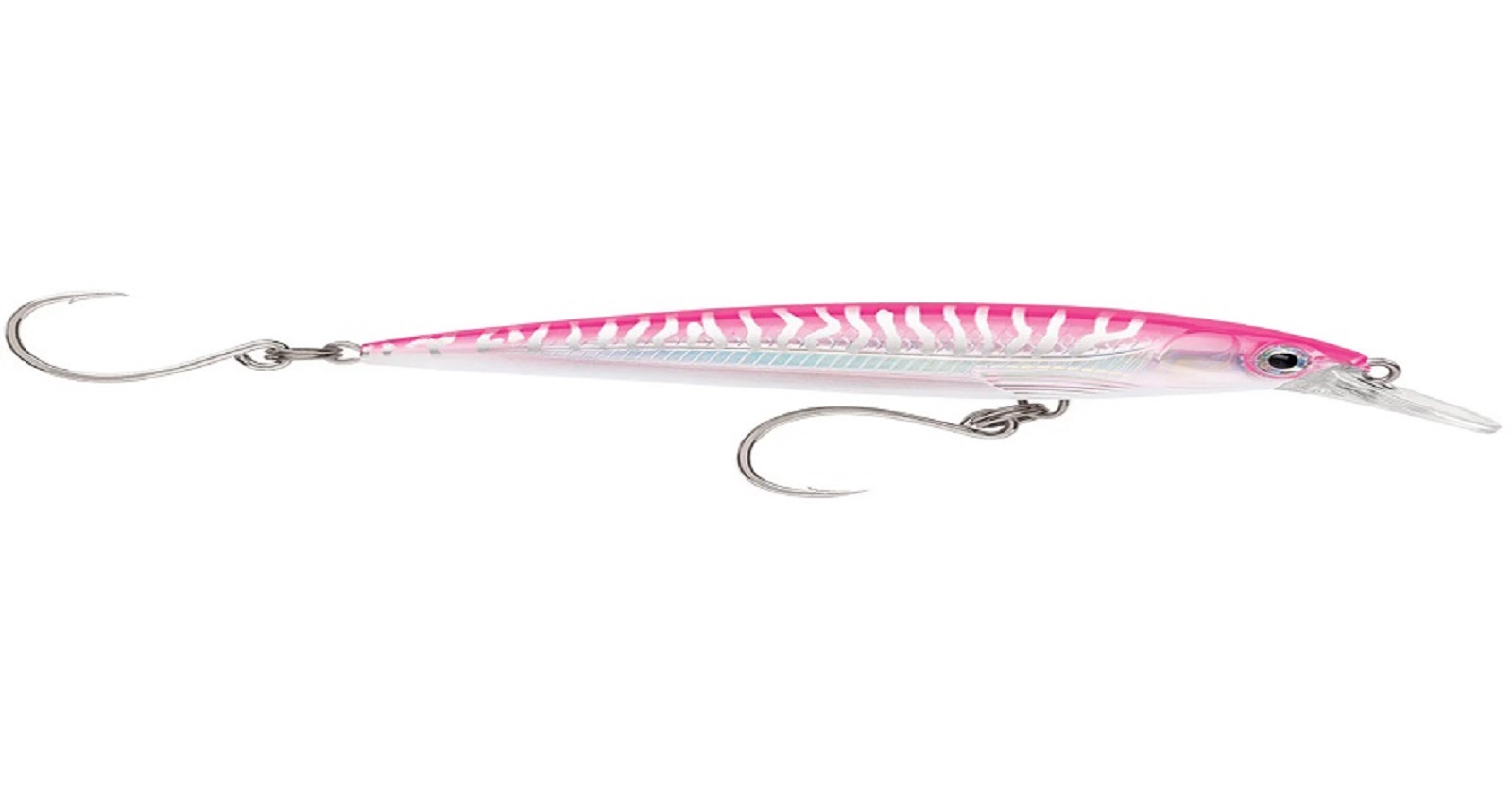
The Rapala X-Rap sets a new standard for jerkbaits. With ridiculously lifelike detail, a long-cast system, and a design that helps stop the lure dead when you pause it, it’s a remarkably versatile lure that can be used to catch an encyclopedic number of species.
Now, Rapala’s bread and butter may be freshwater, and it’s likely that pike, bass, and trout beyond number have swung over the rail on the trebles of an X-Rap, but the truth is also that this is an excellent lure for taking inshore species, too.
That includes but is not limited to snook, striped bass, bluefish, sea trout, and snappers. Frankly, you could probably also target flatfish and tarpon with a lure like this. That’s how versatile it is.
But how do you fish it? Here are some pointers for inshore success, almost without respect to what your target species is.
Straight Burn
X-Raps either sink or suspend, which makes them very versatile; depending on how fast you fish them, you can run them basically anywhere in the water column.
The simplest and most straightforward way to fish a Rapala X-Rap is with a straight retrieve. You can throw and retrieve the X-Rap at a metered pace, or crank it back as fast as you can – called “burning” the lure.
This technique, though easy to employ, is rarely the most effective; but when fish are aggressive, and you’re working with a blitz, often the fish will take the lure as a sheer reaction.
The Slow Twitch
On the other end of the spectrum, you have the slow twitch. Cast the lure, let it suspend for a second (or, if it’s a sinking version, count down till it’s in the strike zone) then slowly twitch it back to the boat.
Give the rod a few short snaps in a series of sequences; alternate between short single twitches, to spurts of two or three, to simulate a baitfish that is wounded, dying, and struggling. Don’t be afraid of long pauses. The strike will often come on the pause or drop.
The majority of predatory fish will find this cadence utterly irresistible, and a slow twitch with a Rapala X-Rap is one of the most effective ways to get fish to bite a diving plug.
It’s Called a Jerkbait for a Reason (Slash It)
Lastly, there’s a hybrid technique between burning the lure and slow-twitching it. It’s called slashing (or jerking) the lure.
Basically, you cast, let the lure sit a few moments (or get it down into the strike zone) then slash the rod tip aggressively to the left or right (or upwards) to rip the lure through the water.
This technique – which yields the term “jerkbait” – combines the speed of burning a lure with the enticing action of a twitch, but the more aggressive slashing action, which will force the lure to zig-zag erratically, is highly intriguing, if not maddening, to predatory inshore fish, making it one of the most effective techniques of all for fishing a Rapala X-Rap.
Try all three techniques next time you’re fishing inshore; often, when one technique doesn’t produce strikes, another will.
Load Your Tackle Bag Up on Rapala X-Raps Before You Hit the Water
Here to stock your tackle bag before your next trip? Load out at Johnny Jigs. They carry Rapala lures like the X-Rap along with others from Daiwa, Yo-Zuri, and other top brands. Check their online tackle shop before you’re on the water again.
For more information about Yo Zuri 40 and Fishing Jig Please visit: Johnny Jigs
