
The shallow salt marshes in the back, though they can be very difficult to navigate, are a gold mine of early season striper activity, specifically for schoolie stripers.
While these fish might not be legal to keep, they can help you pattern striper activity for the rest of the season, plus help you get a bend in the rod after a long winter.
Here are some techniques for finding and catching schoolie stripers in the back on NLBN lures.
First, Find the Fish
First things first, you need to find the fish. You can cast all day long but you will always come up with nothing if there are no fish there.
The salt marsh flats, which are broad and shallow, often extend beyond the cordgrass for hundreds of yards, are a great place to start in early spring.
This is because they are sheltered from harsh weather and currents, tend to hold a lot of biomass (specifically in the form of baitfish and grass shrimp), and because they usually have dark bottoms, they heat up a lot more rapidly. Fish love warm water and will naturally gravitate towards these areas.
Using a fish finder in shallow water is dubious, so see if you can pattern the fish visually – early spring schoolie bass don’t blitz like bluefish so you probably won’t see the water boiling, but if you can see large, dark masses moving about under the surface, then you might have your target.
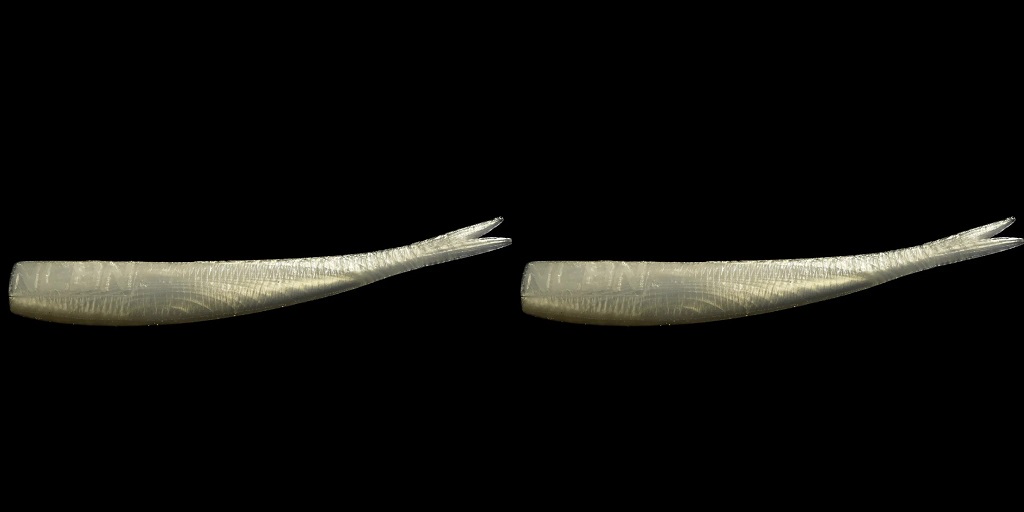
Now you just need to pitch something to them, and NLBN lures are the perfect ticket.
A Few Techniques
There are several different techniques with NLBN soft plastics that can be highly effective on schoolie stripers, especially in the spring once they are finally eating aggressively as a result of warming air and water temperatures.
One is to rig an NLBN paddletail on a jig head, sight cast to the fish, and burn it through the school. No special cadence or other technique is needed here. Just drop the lure and run it right under the surface, frantically, back towards the boat. You don’t need to worry about the “strike zone” here, since the water will be shallow. This technique could get you a few reaction strikes.
One tip for this technique is (assuming you’re working with moving water) to cast the lure up-current and run it back with the current, just a little faster than the water is moving. This creates a more natural presentation because baitfish quickly tire when running against the current and most typically move with it. This will look more natural to a gamefish like a striped bass.
Another technique is more subtle. Often, the bait these schoolies are feeding on in the early spring is grass shrimp. NLBN makes a shrimp-pattern soft plastic. Rig one of these on a jig head, cast it to the fish, and give it a stop and go retrieve with long pauses. Let it rest on the bottom and hop it a few times. Make your twitches short and sharp, like a shrimp using its tail to dart away from a threat. This will excite any fish in the area and will be likely to elicit a strike for two reasons: you’re matching the hatch, and you’re creating a lot of noise in the water.
Final notes are these: don’t limit yourself to soft plastics like NLBN lures. As effective as they are, schoolie striped bass, despite their small size, can be ornery, aggressive and willing to strike a wide variety of lures, including spoons, jigs, bucktails, diving plugs, and poppers and other topwaters.
The most important thing you need to do is be there where the fish are. Tight lines!
Where to Get NLBN Lures and Other Tackle
If you’re here for NLBN lures or other terminal tackle for your next trip because you don’t have a reliable local shop, get them online at Johnny Jigs. They carry soft plastics like NLBN lures along with a wide range of slow pitch jigs and other artificials. Check out their website for more information today.
