
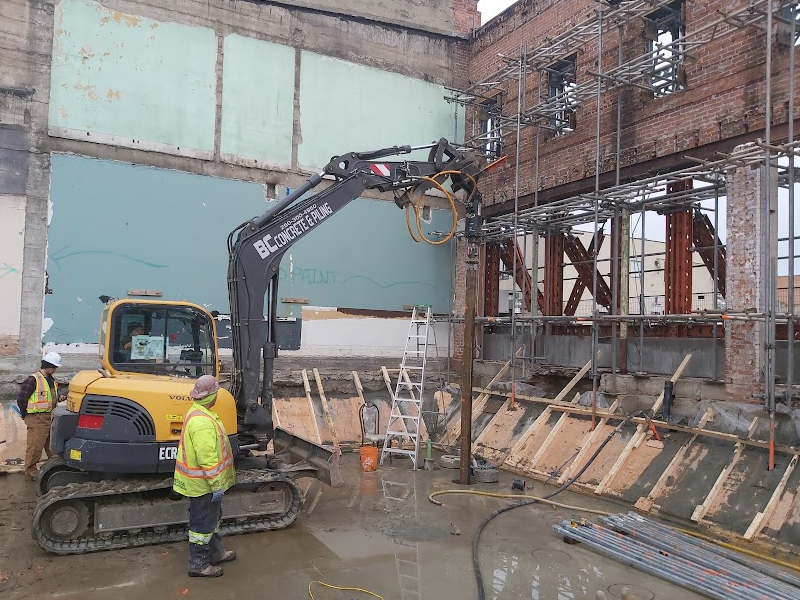
Planning any construction project, especially one that requires deep foundation support, geotechnical reports play a far bigger role than most property owners realize. While you might assume that hiring experienced helical pile contractors is enough to ensure stability, overlooking the importance of soil analysis can lead to unexpected setbacks, costly redesigns, and potential structural issues down the road.
A geotechnical report provides engineers and builders with a clear understanding of your site’s soil conditions, groundwater levels, and load-bearing capacity—information that directly impacts the design and installation of helical piles. Without this data, even the most skilled contractors are working with assumptions instead of facts, which can be risky for both your timeline and your budget.
1. Geotechnical Reports Set the Foundation for Better Design
Before any helical pile installation begins, engineers need to understand how the soil will interact with the structure’s load. A geotechnical report identifies critical factors like soil type, density, moisture levels, and potential obstructions below the surface.
These insights allow helical pile contractors to determine:
- The correct pile depth for maximum stability
- The torque requirements for proper load capacity
- Whether specialized equipment is needed for challenging soil profiles
Skipping this step often leads to piles being installed too shallow or too deep, which can compromise structural safety and drive up installation costs. For projects like custom homes, commercial builds, or additions, an accurate soil analysis is the difference between a seamless installation and expensive foundation corrections later on.
2. Preventing Delays and Costly Rework
One of the biggest frustrations in construction is unexpected delays, and many of these stem from unanticipated soil issues. Without a geotechnical report, helical pile contractors may encounter hidden challenges like soft clay pockets, high groundwater levels, or rock layers that weren’t accounted for during planning.
When this happens, piles may need to be redesigned, switched to a different size, or installed using alternative methods—each of which adds time and cost to your project. By starting with a proper soil assessment, contractors can anticipate these conditions in advance and choose the right approach from the start, keeping your project on schedule and within budget.
3. Enhancing Load-Bearing Accuracy
Helical piles are designed to support specific weight loads, which means accurate calculations are essential for long-term performance. A geotechnical report gives engineers the data they need to ensure that each pile is engineered to carry the correct amount of weight without risk of shifting or settling.
4. Choosing the Right Helical Pile Contractors
Not all contractors approach foundation design the same way. Some rely on standardized installation methods, while others take the time to customize solutions based on geotechnical findings.
When comparing contractors, look for those who:
- Collaborate closely with geotechnical engineers
- Provide torque monitoring during installation
- Offer recommendations tailored to your site conditions
- Have experience working with various soil profiles
Contractors who follow this approach aren’t just installing piles—they’re ensuring your entire structure has a stable, long-lasting foundation.
A strong foundation starts long before the first helical pile is installed. Geotechnical reports give builders and engineers the data they need to make informed decisions, minimize risks, and optimize design. The best helical pile contractors understand that no two sites are alike and use this information to deliver safe, efficient, and reliable results.
By investing in a proper soil analysis and choosing experienced professionals who value precision, you’re not just protecting your budget—you’re safeguarding the long-term stability of your entire project.
For more information about Industrial Drilling British Columbia and Drilling Company Kelowna Please visit: ATLAS PILING.
