
The foundation of any structure is the bedrock of its stability and longevity. Choosing the right foundation system is a crucial decision for construction projects, and in recent years, the debate between helical piles and traditional foundation systems has gained prominence. In this blog, we will conduct a comprehensive comparative analysis of these two foundation methods, shedding light on their characteristics, advantages, and applications.
Helical Piles: A Modern Engineering Marvel
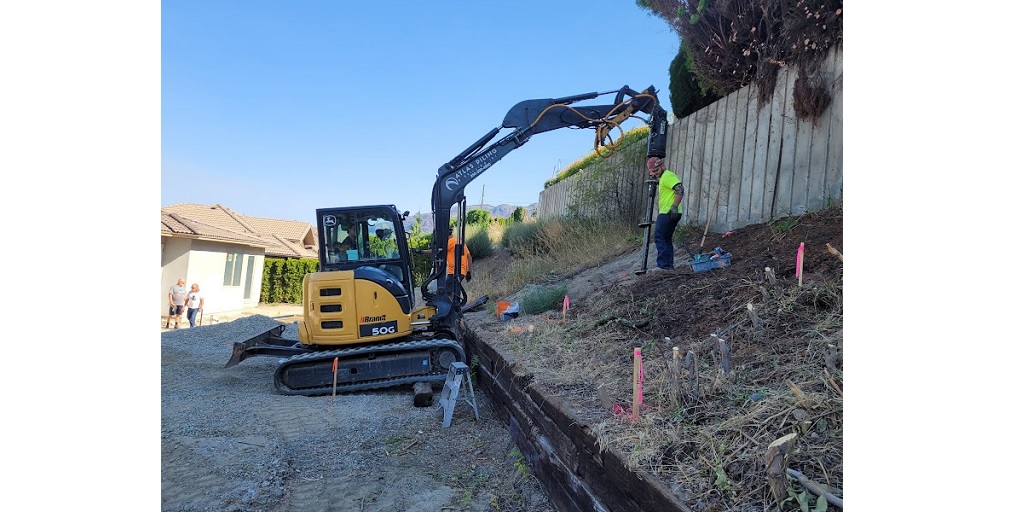
Helical piles, also known as screw piles, have emerged as a modern and versatile alternative to traditional foundation systems. These piles consist of a steel shaft with helical flights that are mechanically screwed into the ground. The key advantages of helical piles include:
Ease of Installation
Helical piles offer a streamlined installation process, minimizing excavation requirements and reducing the overall construction timeline. The efficiency of installation can be particularly advantageous in projects with tight schedules.
Versatility
One of the primary strengths of helical piles lies in their versatility. These piles can be effectively utilized in various soil conditions, including clay, sand, and silt. This adaptability makes helical piles suitable for a wide range of construction projects, from residential buildings to industrial structures.
Load-Bearing Capacity
The helical design of the piles ensures a high load-bearing capacity. This makes helical piles an ideal choice for projects requiring robust and stable foundations that can withstand significant vertical and lateral loads.
Traditional Foundation Systems: Time-Tested with Limitations
Traditional foundation systems, encompassing concrete footings and piers, have been the conventional choice for many construction projects. While these systems have a proven track record, they come with certain limitations:
Labor-Intensive Installation: Traditional foundations often involve extensive excavation, concrete pouring, and curing time. This labor-intensive process can result in longer construction timelines and increased labor costs.
Site Disruption: The extensive excavation required for traditional foundations can lead to significant site disruption. This may necessitate additional expenses for landscaping and site restoration post-construction.
Soil Compatibility Issues: Traditional foundations may encounter challenges in certain soil conditions. Expansive soils, for example, can contribute to settlement issues over time, compromising the stability of the structure.
Helical Piles vs. Traditional Foundation Systems:
Let’s delve into a detailed comparison based on critical factors:
Installation Speed: Helical piles offer a quicker installation process compared to traditional foundations. This not only reduces labor costs but also allows for faster project completion.
Versatility: Helical piles outshine traditional foundations in terms of versatility, adapting to a broader range of soil conditions. Traditional foundations may face limitations in specific soil types.
Environmental Impact: Helical piles cause minimal site disruption, making them an environmentally friendly option. Traditional foundations often require extensive excavation, resulting in a more significant ecological footprint.
Cost-Efficiency: While the initial cost of helical piles may be higher, the quicker installation and reduced labor requirements often translate into long-term cost savings. Traditional foundations may have lower upfront costs but can incur additional expenses due to extended construction timelines.
How Atlas Piling Can Help You
Choosing the optimal foundation system for your project is a decision that requires careful consideration of various factors. Atlas Piling stands as a reliable partner in this process, specializing in the installation and application of helical piles. Their experienced team ensures precision and efficiency in the installation of helical piles, providing stability and reliability for your construction projects.
Whether you are embarking on a residential build, commercial development, or industrial project, Atlas Piling offers the expertise and support needed to make informed decisions regarding your foundation system. Contact Atlas Piling today for a reliable and modern approach to foundation solutions that stand the test of time.
