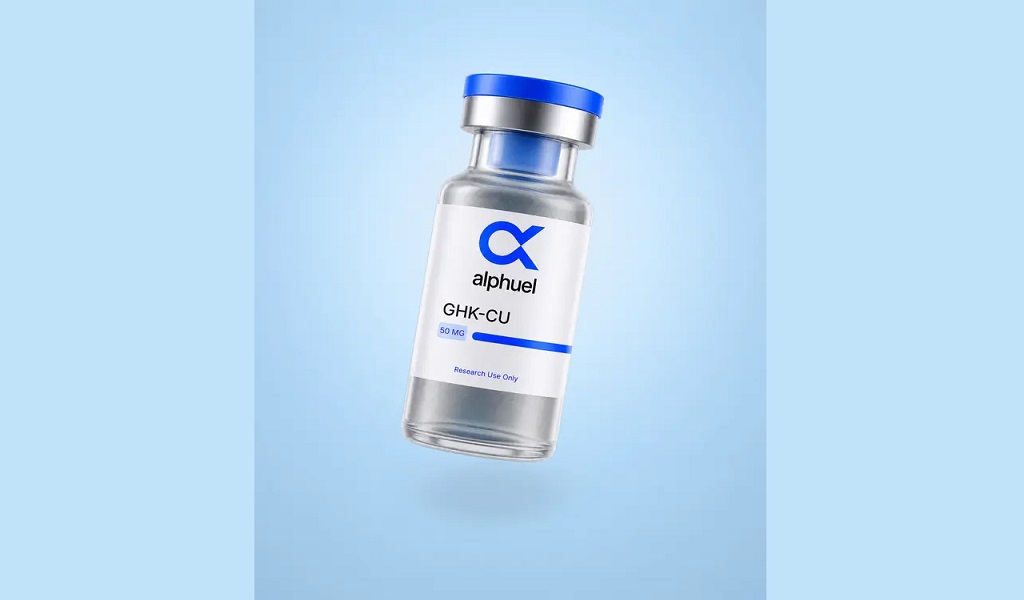
Peptide science has become one of the most exciting fields in biotechnology, providing researchers with valuable tools to examine complex biological processes. Among the compounds receiving significant scientific attention, GHK Cu Research Peptides stand out because of their unique structure and broad research potential. Although still limited to laboratory investigations, these peptides continue to contribute to studies involving tissue biology, cellular communication, and regenerative mechanisms.
Understanding GHK-Cu in Research
GHK-Cu is a naturally occurring copper-binding peptide first identified in human plasma. Scientists have spent decades exploring its biological properties to better understand how peptide signaling influences various cellular activities. Its ability to interact with copper ions has made it an interesting subject for laboratory experiments focused on cellular function and molecular pathways.
Researchers value this peptide because it offers opportunities to investigate biological responses under carefully controlled conditions.
Why Researchers Study GHK-Cu
Laboratory studies often require highly specialized compounds capable of supporting targeted investigations. GHK Cu Research Peptides are frequently selected for experiments designed to explore:
- Cellular signaling pathways
- Protein synthesis mechanisms
- Tissue remodeling processes
- Extracellular matrix interactions
- Molecular communication
- Regenerative biology models
These research areas continue expanding as scientists uncover new biochemical relationships.
The Importance of High-Purity Peptides
Reliable scientific data begins with dependable research materials. Even small inconsistencies in peptide quality can introduce unwanted variables into experimental work. For this reason, laboratories typically seek peptides that undergo rigorous quality testing before use.
Premium research-grade peptides generally offer:
- High purity levels
- Verified peptide identity
- Consistent manufacturing standards
- Batch-to-batch reliability
- Comprehensive quality documentation
These characteristics help researchers generate more reproducible experimental results.
Applications in Laboratory Research
Scientists continue examining GHK-Cu across multiple fields of biological research. While investigations vary between institutions, common areas of interest include:
- Cell culture studies
- Molecular biology research
- Regenerative science
- Biotechnology development
- Protein interaction analysis
- Experimental dermatological research
Each project contributes valuable information that improves scientific understanding without implying clinical or therapeutic use.
Choosing a Reliable Research Supplier
Obtaining research materials from trusted suppliers is an important part of maintaining laboratory standards. A reputable source typically demonstrates transparency regarding production methods and analytical testing.
Researchers often look for suppliers that provide:
- Independent laboratory analysis
- Certificates of analysis (COAs)
- Secure packaging practices
- Controlled storage recommendations
- Responsive technical support
These factors help laboratories maintain consistency throughout long-term research projects.
Proper Storage and Laboratory Handling
To preserve peptide integrity, laboratories generally follow strict storage protocols. Controlled temperatures, careful handling procedures, and contamination prevention measures help maintain sample quality throughout the research process. Proper documentation and inventory management also improve experimental reliability and reduce material waste.
Looking Ahead
GHK Cu Research Peptides continue attracting scientific interest because they enable researchers to investigate complex cellular interactions with greater precision.
Although these peptides are intended strictly for research purposes, their role in advancing laboratory knowledge highlights the importance of high-quality materials, careful experimentation, and reproducible scientific methods. With ongoing studies across multiple disciplines, GHK-Cu remains an important component of modern peptide research and future biological discovery.
For More Information About Research Peptides Australia and Retatrutide Research Peptides Please Visit: Alphuel.