
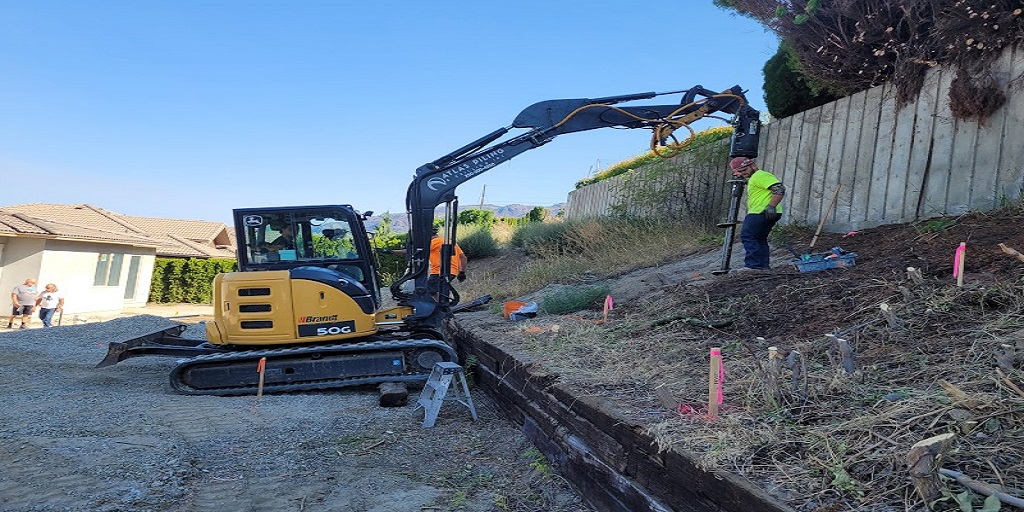
In today’s evolving construction landscape, one challenge continues to rise to the forefront: how to build without damaging the land. Especially in sensitive areas—like forested zones, waterfronts, and properties with unstable soils—traditional methods are often too invasive. That’s where helical pile companies are stepping in, not just as foundation providers, but as enablers of a new era in land-conscious development.
This shift isn’t only about swapping concrete for steel. It’s about engineering with intention, minimizing ground disturbance, and prioritizing the long-term health of the land. And it all starts from the ground up.
Building Where Others Can’t
Helical piles have long been praised for their ability to support structures in tough terrain—wetlands, steep slopes, flood-prone zones—but helical pile companies are now helping push the boundaries of where and how people can build.
Instead of bulldozing natural topography or draining marshlands, developers are leveraging helical pile systems to elevate structures above difficult ground, preserving native ecosystems and water flow patterns. From boardwalks in nature preserves to lakefront cottages and remote cabins, these foundations allow builders to avoid blasting or compacting the earth, protecting soil structure and biodiversity.
The success of these projects isn’t just in the product—it’s in the precision of planning, site evaluation, and torque-driven installation methods that trained helical pile contractors bring to each job.
Reducing Soil Compaction: A Hidden Environmental Win
Soil compaction is one of the most overlooked side effects of conventional construction. Heavy machinery compresses the ground, degrading soil health, reducing permeability, and often leading to runoff problems or drainage failures.
Because helical pile companies typically use compact, lightweight equipment, they leave a dramatically smaller footprint on site. This benefit is crucial in places where soil composition is vital for vegetation, agricultural use, or maintaining groundwater recharge.
By reducing heavy equipment needs, these companies aren’t just installing foundations—they’re preserving the life beneath the surface.
Expanding Design Possibilities for Green Architects
Architects aiming to design eco-friendly or low-impact structures often find themselves constrained by foundation requirements. Pouring concrete involves flat sites, clear weather windows, and intensive prep work. Helical piles, on the other hand, open up creative freedom.
Elevated treehouses, passive solar homes on sloped sites, and prefabricated off-grid dwellings all benefit from the flexibility of a helical pile system. Installers can vary depth and torque to match load requirements, making it easier to build without leveling or reshaping the land.
As green architecture grows in popularity, helical pile companies are becoming indispensable partners in turning bold, eco-forward visions into reality.
A Long-Term Commitment to the Environment
The role of a helical pile company doesn’t end once the piles are in the ground. Many continue to engage in site monitoring, corrosion protection upgrades, and decommissioning plans for temporary structures. In projects where environmental integrity is a core value, this long-term thinking is essential.
When properly maintained, a helical pile can last over 75 years. And if the site is eventually returned to nature, the piles can often be unscrewed and removed with no trace left behind. Few other foundation systems can offer such reversibility—another example of how these companies are helping construction align with conservation.
As developers, architects, and homeowners seek smarter ways to coexist with nature, helical pile companies are leading the charge by offering solutions that are low-impact, high-performance, and deeply aligned with the land.
