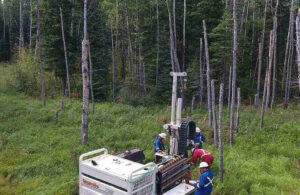
Land development projects require more than vision and investment. Before construction begins, accurate information about the property becomes essential for making sound decisions. Land Development Surveys Edmonton provide the detailed measurements and site data that guide planning, design, and construction activities. Whether a project involves residential communities, commercial properties, or mixed use spaces, surveying creates a reliable starting point. With clear information about boundaries, elevations, and existing conditions, developers and property owners can move forward with greater confidence and fewer unexpected challenges.
Understanding the Role of Land Development Surveys
Land development surveys are designed to gather accurate information about a property’s physical characteristics. Surveyors document property lines, terrain, existing structures, utilities, and other features that may influence future development plans.
This information gives project teams a practical understanding of the site before major decisions are made. Rather than relying on assumptions or outdated records, developers can work with data that reflects actual site conditions. Early access to reliable information helps improve planning and supports smoother project coordination.
Boundary and Topographic Information
Accurate boundary identification is one of the most important parts of land development surveying. Clear property limits help confirm ownership and reduce the risk of construction extending beyond legal boundaries.
Topographic surveys provide additional insight by recording elevations, slopes, drainage patterns, and natural features across the land. These details help planners determine how the site may affect grading, drainage systems, access routes, and building placement. In Edmonton, where changing seasonal conditions can influence land performance, this level of detail often becomes an important part of responsible planning.
Supporting Better Design Decisions
Strong project design begins with dependable site information. Engineers, architects, and planners regularly depend on survey data when preparing layouts and infrastructure plans.
Survey information helps guide decisions related to road placement, utility systems, stormwater management, and building orientation. When plans are created using accurate measurements, they are more likely to match real conditions on the ground. This can reduce design revisions later and support a more efficient approval and construction process.
Reducing Legal and Construction Risks
Unclear property information can create costly setbacks during development. Boundary disputes, encroachments, and measurement errors may affect schedules, budgets, and project approvals.
Land Development Surveys Edmonton help reduce these concerns by providing documented and verifiable site information. Survey records support regulatory compliance and help demonstrate that development activities align with approved plans. Identifying potential concerns early gives project teams an opportunity to address issues before construction progresses too far.
Survey Support During Construction
The value of surveying continues after planning and approvals have been completed. During construction, surveyors often provide staking and layout services that help contractors position site features correctly.
Construction staking establishes accurate locations for foundations, utilities, roads, and other elements of the project. This guidance helps maintain alignment with approved designs and supports better coordination among contractors and project managers. Accurate layout work can also help avoid costly corrections during later construction stages.
Take Away
Successful land development depends on accurate information from the beginning. Land Development Surveys Edmonton provide the measurements and site data needed to support informed planning, reliable design, and efficient construction. From confirming property boundaries to guiding on site work, surveying plays a vital role throughout the development process. For developers and property owners in Edmonton, dependable survey services remain an important investment in achieving well planned and successful project outcomes.
For More Information About Land Survey Company Regina and Land Survey Company Saskatoon Please Visit: Connexa Group.