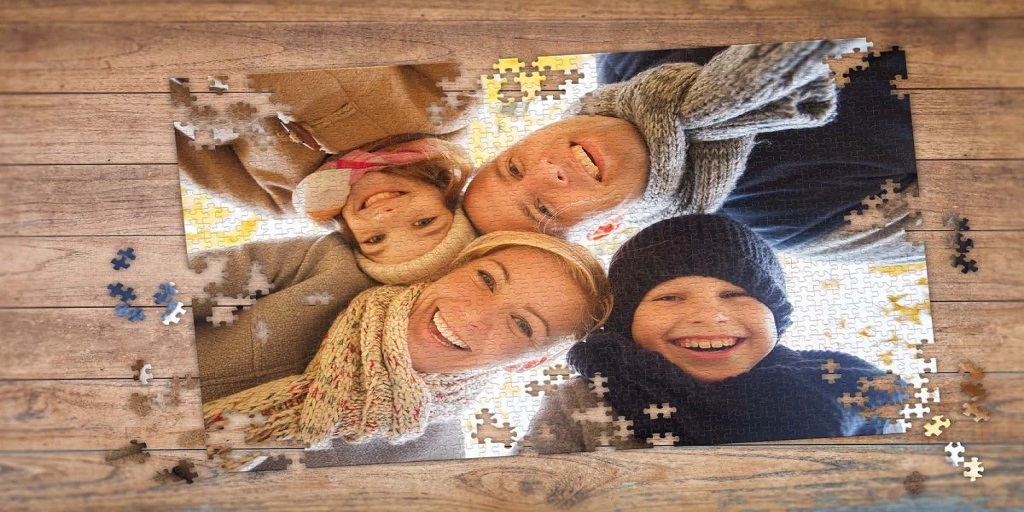
For museums, the challenge is simple—how do you get someone to engage with art beyond the ten-second glance? The answer, lately, has been more tactile: take the art off the wall, shrink it down, and turn it into a custom puzzle.
Not just a gimmick. Not just a souvenir. This new wave of museum puzzles sits at the intersection of education, entertainment, and emotion. Visitors don’t just walk away with a poster—they take home the process of discovery.
Museums Are Thinking in Pieces
From The Met to the Museum of Modern Art, major institutions are transforming their most iconic works into jigsaw puzzles that challenge the brain while honoring the original. Whether it’s Hokusai’s The Great Wave or a fragment of ancient pottery, putting together these puzzles mirrors the kind of close-looking art educators dream about. And it works.
A 2022 report from CultureType showed a sharp rise in museums offering art-based puzzles in their gift shops—especially those featuring artists historically underrepresented in mainstream narratives. It’s a move that’s as inclusive as it is inventive: people get to handle and interact with the art, not just passively admire it.
Why It Matters
Puzzles encourage deeper engagement. Unlike passive viewing, assembling a puzzle requires users to slow down and focus on details like color gradients, brushstroke textures, and compositional balance. In short—what museums hope people notice when standing in front of the real thing.
They also extend the learning experience. For classrooms, museum outreach programs, and even at-home learners, puzzles based on artifacts or artwork serve as educational kits that reinforce storytelling and spatial reasoning. When paired with lesson guides or exhibit backstories, a custom puzzle becomes more than entertainment—it becomes a cognitive tool.
Beyond the Gift Shop
This isn’t just about retail. Museums and cultural centers are increasingly incorporating puzzles into their programming—think: gallery scavenger hunts, family activity kits, or traveling exhibits with tactile learning components. The Smithsonian’s Learning Lab and the Olomouc Museum of Art in the Czech Republic have both been known to incorporate puzzles as interactive elements that blend history with hands-on participation.
Puzzles work especially well for multi-generational learning: children, parents, and grandparents can all gather around the same table to complete a piece of history together. There’s no screen. No app. Just fragments of beauty that slowly come together with focus and a little conversation.
Make the Experience Yours
For museums, curators, and even local history centers, working with a custom puzzle manufacturer means they can turn any artifact, exhibit photo, or archival document into a tactile experience. It’s one of the easiest ways to create something meaningful and mission-aligned that visitors can literally piece together.
And for those who love the idea of turning an artwork—or a family photo, or a local landmark—into a custom puzzle of their own, there are trusted makers who do this with quality and care.
Want to create your own museum-worthy puzzle?
Start where the pros start. Check out MakeYourPuzzles to turn iconic images into hands-on moments that actually stick.