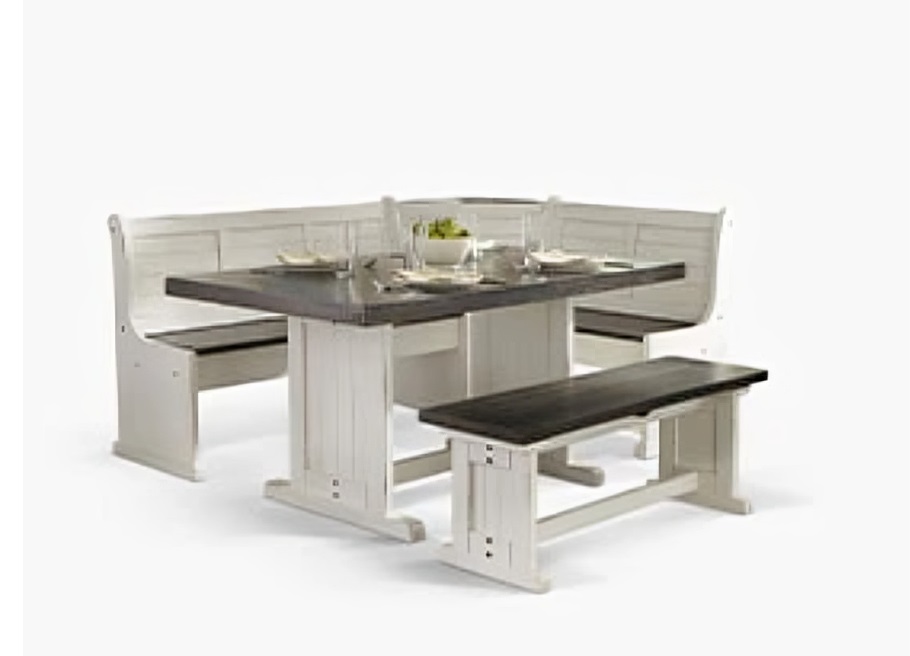
Designing a home that feels cohesive and intentional can seem overwhelming, especially if you’re doing it yourself. But with a thoughtful approach and a few guiding principles, you can curate a space that looks styled, not scrambled. And yes, it’s completely doable using quality furniture online. From identifying key anchors to coordinating tones and textures, here’s how to mix and match furniture without second-guessing every decision.
Start With a Statement Piece
Every room needs an anchor: a single item that sets the tone for everything else. In the living room, that’s usually the sofa or sectional. In the bedroom, it’s the bed frame or headboard. For the dining area, it’s the table.
When browsing quality furniture online, look for a piece that feels right for your lifestyle and reflects your taste in shape, color, or material. If you lean modern, maybe it’s a low-profile gray linen sofa. If you love classic details, perhaps it’s a wooden dining table with soft curves. Once that core piece is chosen, use it as your benchmark for scale, tone, and style in the rest of the room.
Choosing Complementary Tones and Textures Online
Without a designer’s eye, it’s easy to overdo it on bold choices. The safer approach? Keep one element dominant, whether that’s a color, finish, or texture, and let the rest support it. For instance, if you pick a velvet emerald green sofa, pair it with neutral-toned accent chairs in leather or light woven fabric.
Texture mixing brings depth, especially when working with a streamlined color palette. Combine soft upholstery with hard surfaces, like a glass coffee table or a metal base side table. Reading through product descriptions and zooming in on images helps gauge what kind of texture or sheen each piece has, even when shopping online.
Matching Wood Finishes to Existing Flooring and Trim
One of the biggest pain points when mixing furniture is getting the wood tones right. A simple trick: don’t try to match everything. Instead, aim to coordinate. If your floor is a medium oak, pairing it with darker walnut furniture adds contrast, while a light ash finish can bring a more relaxed, Scandinavian vibe.
The key is consistency in undertones. Warm wood tones (like honey or cherry) go well with other warm finishes, even if they’re not the exact same shade. Cool finishes (like gray-washed or espresso) should stick together. Avoid mixing warm and cool woods unless it’s a deliberate, repeated choice across the space.
Using Mood Boards or Saved Collections to Stay Consistent
Online shopping can lead to tab overload quickly. Save yourself from visual fatigue by creating a digital mood board using screenshots or apps like Canva or Pinterest. Many online furniture retailers also allow you to save favorites into a collection or project folder.
Group your potential selections by room and assess how they look together—color, size, and overall vibe. This simple habit helps you spot style clashes before they show up in your living room and makes your decision-making process much smoother.
How Lighting Changes the Look of Online Colors
Furniture might look one way on a product page and entirely different in your home. Natural light, warm-toned bulbs, and even wall paint all influence how fabric and wood tones appear.
If you’re serious about color accuracy, order fabric swatches or wood samples when offered. Otherwise, look for photos of the product in real-life settings (often shared in customer reviews) to get a more accurate sense of color and finish.
Building a Room Layer by Layer With Intention
Instead of rushing to fill a space, treat it like a slow-build project. Start with core furniture, then add in storage, accent tables, lighting, and decor one piece at a time. Each new addition should serve a purpose, whether functional or aesthetic, and complement what’s already there.
Cohesion isn’t about matching everything perfectly. It’s about repeating key elements, like a specific metal finish or fabric tone, throughout a room so that everything feels connected.
Mixing and matching quality furniture online doesn’t require a degree in design, just a clear plan and a sense of what makes you feel at home. With intentional choices and a bit of patience, your space can reflect your style and stand the test of time. For furniture that’s built to last and designed to blend, Bob Mills Furniture offers selections that help DIY decorators pull it all together with ease.