
Heating a toddler’s playroom isn’t as simple as plugging in the nearest device. It requires planning, awareness, and the right kind of equipment—particularly if safety is non-negotiable. A toddler safe space heater can make all the difference when you want consistent warmth without adding risks.
Let’s look at how to warm a multi-use play space without compromising safety or peace of mind.
Designing a Warm Play Space with Toddlers in Mind
Before adding any heating element to a room where children play, crawl, or nap, it helps to rethink the space as a zone with specific traffic patterns. Toddlers don’t just stay in one corner—they explore, trip, and often lean on things they shouldn’t.
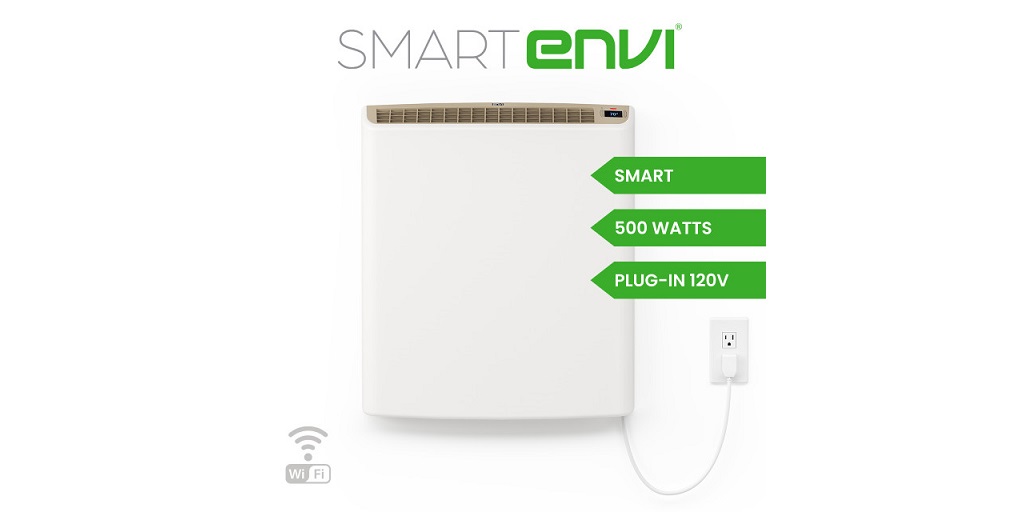
Choosing a toddler safe space heater means prioritizing units that blend into the background. Wall-mounted or low-wattage convection models are designed for this kind of setting. They don’t rely on glowing coils or exposed heat sources, and they’re cool to the touch. These qualities make them well-suited to spaces where little hands are always in motion.
Floor Clearance and Furniture
A common mistake when adding heat to a child’s room is placing a heater on the floor, especially between soft play mats or under tables. It might seem convenient, but it increases the chances of obstruction and contact.
Instead, think vertically. Wall-mounted heaters that sit flush and off the ground free up valuable floor space. They also reduce the risk of someone tripping over a cord and the built-in locking bar tightly secures the Envi to the wall mounting brackets preventing the unit from moving entirely.”
The Case for Silent, Fan-Free Heating Units
Playrooms can be noisy enough. Adding a humming or clicking heater into the mix isn’t ideal—especially during quiet play or nap time. Some traditional space heaters use fan-assisted heating, which can create both noise and air circulation that may stir up dust or irritate sensitive noses.
A fan-free toddler safe space heater, like a convection wall unit, quietly warms the room by allowing heat to rise naturally. There’s no forced air and no sudden bursts of heat. This provides a stable, gentle temperature—exactly what you want for a space that needs to serve multiple purposes throughout the day.
Preventing Overheating in Small or Closed Rooms
Overheating can sneak up quickly—especially in a compact playroom. You might set the heater and walk away, only to return and find the room uncomfortably warm. While toddlers can’t regulate body temperature as easily as adults, overheating can disrupt sleep and cause irritability.
Using a heater with a built-in thermostat or automatic shutoff helps prevent this. These features ensure the room stays within a safe temperature range, even if you’re not checking constantly. For playrooms with limited airflow, it’s especially helpful to choose a heater designed to operate efficiently in small or enclosed spaces.
Quick Checklist for Daily Heater Safety
Consistency is key when it comes to heater safety. Make these checks part of your daily routine:
- Is the heater securely mounted or placed away from foot traffic?
- Are toys, fabrics, or furniture crowding the heater?
- Is the cord (if any) out of reach and tucked away?
- Does the heater feel hot to the touch? (It shouldn’t.)
- Has the unit been inspected recently for dust or debris buildup?
Even with a toddler safe space heater, vigilance makes the difference between warm and worry-free versus warm and risky.
Looking for a quiet, low-profile heater that’s made with safety in mind? Browse a range of wall-mounted options perfect for family spaces at eheat online.
