It’s hard to swallow, but here we are—in the so-called land of plenty, where fields stretch for miles and supermarket shelves groan under endless options, and yet… families still go to bed hungry. It’s not rare. It’s not temporary. It’s systemic. And hunger nonprofits across the country are tired of putting band-aids on a broken food system.
They’re rethinking everything. Because handing out calories and hoping for the best just isn’t cutting it anymore.
How a Hunger Nonprofit Looks Different Today
Gone are the days when a hunger nonprofit was simply a middleman between canned food drives and families in need. The work is more layered now—and more urgent. Organizations have shifted from quantity to quality, from emergency aid to long-term strategy. They’re not just handing out food. They’re fighting for food justice.
Nutrition-forward food policies are finally front and center. That means hunger nonprofits are making tough decisions—saying no to certain donations if they don’t align with health standards. Because let’s be honest: handing out sugary snacks in the name of hunger relief doesn’t exactly build thriving communities.
Instead, many organizations are following models like the Healthy Eating Research (HER) guidelines to ensure that the food being distributed supports well-being, not just survival.
The Realities That Fuel Their Resolve
Here’s what we’re up against: over 44 million people in the U.S. lived in food-insecure households in 2022. That includes nearly one in five children. And it’s not just about empty pantries—it’s about chronic health issues, school performance, mental health, and economic instability. Hunger isn’t isolated. It shows up in every corner of life.
It’s also important to understand the difference between a food bank and a food pantry. A food bank—like Philabundance—is a large-scale hub that sources, stores, and distributes food to a network of pantries and partner agencies. A pantry is where individuals and families actually pick up that food. So when someone donates to a hunger nonprofit like Philabundance, they’re helping build a supply chain that feeds entire neighborhoods—not just one home.
Philabundance and the Push for Dignity
Philabundance is one of many hunger nonprofits leading this shift. They’re not just stacking shelves—they’re building systems. They work with growers, wholesalers, and partners to source culturally relevant, fresh, and nutritious food. And they back that up with community education, policy advocacy, and programs that go far beyond food distribution.
Their Good Food Policy guides every move they make. It ensures the food they share isn’t just edible—it’s empowering. That’s not charity. That’s respect.
They’ve also tapped into creative collaborations, like the Healthy Pantry Initiative with Feeding Pennsylvania and the PA Department of Health. These programs support pantries in offering better food, smarter education, and safer environments.
What Actually Helps End Hunger
Hunger doesn’t wait for the holidays. It doesn’t sync itself to giving seasons. That’s why one-time drives and one-off donations—while well-meaning—just aren’t enough.
What makes a dent? Cash.
Monetary donations help hunger nonprofits like Philabundance purchase exactly what’s needed, when it’s needed, at prices only large-scale food buyers can access. It means less food waste. Better nutrition. Smarter systems.
And when that giving becomes monthly? That’s where sustainability kicks in. Regular donations allow these organizations to plan, grow, and respond to needs with consistency—not scramble for resources when a crisis hits.
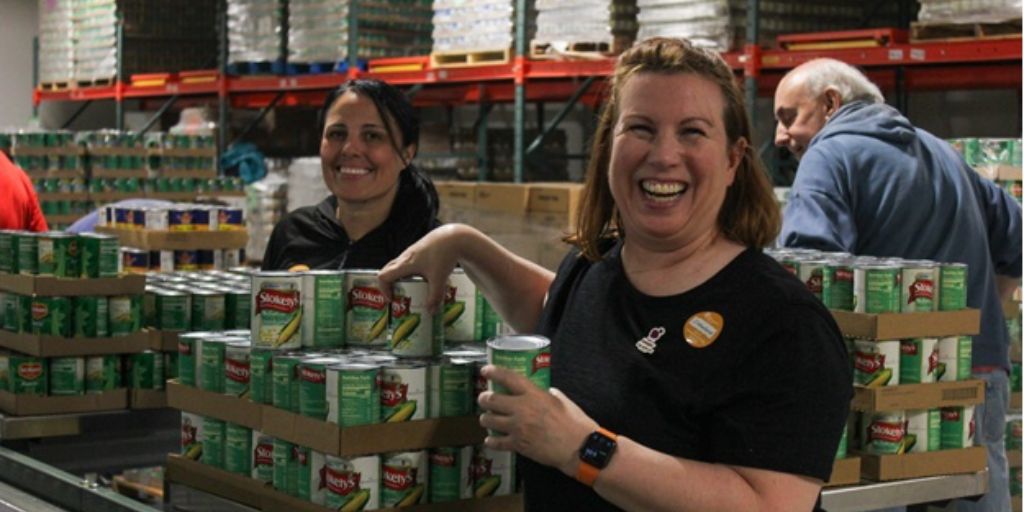
So if you’re ready to make a real difference, put down the canned corn. Send funds instead. Support a hunger nonprofit that’s focused on ending hunger for good—not just making it slightly more tolerable. For more information about Local Food Pantry Near Me and Donate Food To Food Bank Please visit: Philabundance.