
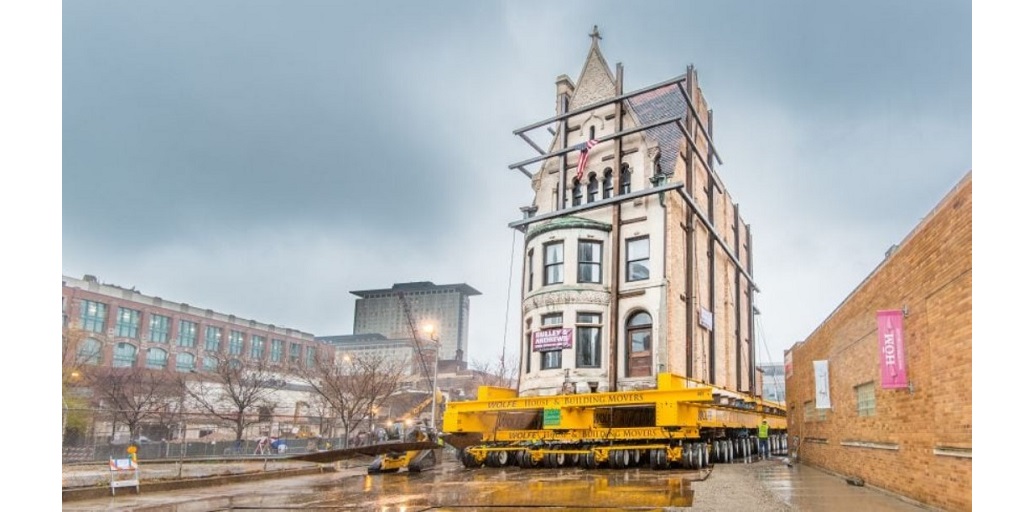
The idea of historic building relocation often comes up when a structure faces demolition, neglect, or pressure from new development. Moving a building can feel like a clear solution: take it out of harm’s way and preserve it somewhere safer. In some cases, that instinct is right. Relocation can prevent total loss. But saving a historic building is rarely that simple. Whether relocation truly “saves” a structure depends on what we mean by preservation in the first place.
What Makes a Building “Historic”
To understand that, it helps to look at how a building becomes recognized as historic. Most states use a system that combines age, significance, and integrity. A common benchmark is that a structure should be at least several decades old, often around half a century. But age alone is not enough. The building must also matter in a broader sense. It might be tied to notable events, connected to influential people, or represent a key period in local or national history. Some buildings qualify because of their design, especially if they show a distinct architectural style or reflect the work of a known designer.
Just as important is the building’s condition and authenticity. If major changes have altered its original form, materials, or appearance, it may no longer meet the standard. Preservation bodies usually want to see that the core structure still reflects its original character. There is also a formal process involved. Property owners or advocates typically submit documentation, which is reviewed by preservation experts and, in many cases, approved by a governing body. This process ensures that the designation is not casual but based on clear criteria.
Protecting History Through Historic Building Relocation
So where does relocation fit into all this? Moving a building can protect it from immediate threats like road expansion, flooding, or demolition for new construction. In that sense, it can be a practical tool. Entire houses, barns, and even large civic structures have been successfully relocated and restored. When done carefully, the building itself can survive in good condition.
However, a historic building is more than its physical materials. Its meaning is often tied to its original location. The setting, the surrounding landscape, and even the street it sits on all contribute to its story. Moving it can weaken that connection. A farmhouse placed in a city park, for example, may still look authentic, but it no longer reflects the agricultural context that gave it significance. In some cases, relocation can even affect whether a building keeps its historic designation, depending on how much its context mattered to begin with.
Making Historic Moving Safe for the Building
Wolfe House & Building Movers understands what it takes to move historic buildings because they’ve spent decades handling projects that demand precision, planning, and respect for structure. They work with agencies and local historical societies, requiring careful assessment, using the right equipment, and a clear strategy to avoid damage and protect the structure.
They also combine that experience with modern tools and techniques. This allows them to handle both smaller moves and massive relocations with control and accuracy. Just as important, they guide clients through the process, explaining options and setting realistic expectations. That mix of skill, technology, and communication is what makes them reliable for historic moves.
Historic building relocation can be a valuable option, especially when the alternative is total loss. But it is not a complete solution on its own, even with moving experts. True preservation depends on a combination of thoughtful designation, careful handling, and long-term stewardship. Moving a building may save its structure, but preserving its full meaning requires much more than just changing its address.
