
An outdoor fire pit can turn any backyard into a year-round gathering space, but the key to enjoying it safely and efficiently lies in choosing the right materials, both for what you burn and what you build with.
The wrong materials can produce toxic fumes, cause unstable fires, or even crack under heat. The right ones, on the other hand, burn clean, last longer, and help you control heat distribution. So which one should you use for those nights when you want to light up your outdoor fire pit?
Here are the best options that are the most reliable for fuel, no matter the material you use for your fire stone fire pit.
The Right Burning Materials
The most classic and popular choice is hardwood. Woods such as oak, hickory, mesquite, or cedar provide consistent heat and a satisfying crackle. They burn longer than softwoods and produce less smoke, which makes them ideal for social settings.
Certain aromatic woods like pinyon or applewood can even add a pleasant scent to the air while naturally repelling insects. The key is to use seasoned wood, logs that have been dried for at least six months. Moisture-heavy or “green” wood will hiss, smoke excessively, and fail to burn efficiently.
For those who want a more convenient and environmentally friendly alternative, wood pellets are a strong contender. They’re made from compressed kiln-dried wood fibers, which means they burn hot and clean without releasing pests or chemicals.
Because they’re free of moisture and packed uniformly, pellets ignite quickly and provide steady heat with minimal ash. They also eliminate the need for cutting, stacking, or hauling logs. However, since they’re lighter and finer, pellets require a specially designed pit or a metal basket insert to hold them properly during combustion.
Another excellent choice is wood bricks. Like pellets, these are made from recycled wood waste, pressed into compact blocks. They burn hotter and longer than traditional logs and have a much lower moisture content. This translates to a more consistent flame, less smoke, and higher efficiency.
What to Avoid Burning
Not all materials that burn belong in a fire pit. Pressure-treated lumber, for example, is loaded with chemicals designed to resist rot and insects, but when burned, those same chemicals release toxic smoke.
Plastics and glossy printed materials like magazines or wrapping paper are just as hazardous; they emit harmful fumes and leave sticky residues that are difficult to clean. Accelerants such as gasoline or lighter fluid should also be avoided.
They make fire unpredictable and can easily cause dangerous flare-ups, even if you use heat-resistant fire stone fire pits. Even green, freshly cut wood is best left out, as it burns unevenly and fills the air with thick, unpleasant smoke.
Why You Need Fire Stones For Safety
Beyond what you burn, what surrounds your fire pit matters just as much. Fire stones are purpose-built to withstand extreme temperatures without cracking or exploding. Unlike regular rocks, which can trap moisture inside, fire stones are porous and heat-resistant.
This structure allows air to circulate freely, dispersing heat evenly and preventing dangerous pressure build-up. Using fire stones creates a protective buffer between the flames and the fire pit’s outer shell, whether it’s made of metal, concrete, or brick.
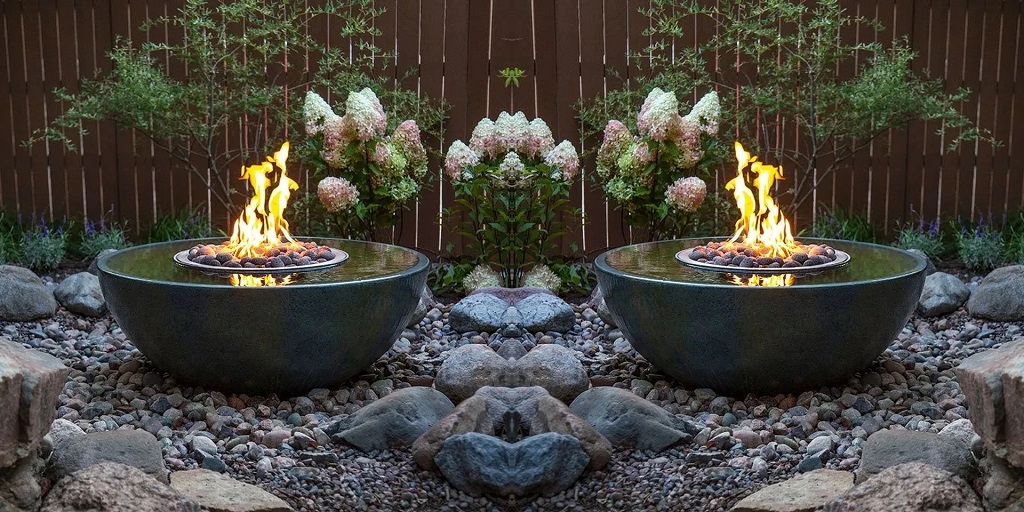
They also improve heat distribution, allowing the fire to burn more efficiently and reducing the risk of hot spots that can damage the pit. For gas fire pits, fire stones or lava rocks help conceal burners while enhancing the aesthetic with natural, rustic texture.
In wood-burning pits, they stabilize the fuel bed and make cleanup easier by catching ash and embers.
Fire stones don’t just protect your fire pit, they also protect you. They minimize sudden heat bursts and keep the flames contained, and make your setup safer for family gatherings or outdoor entertaining. They’re low-maintenance and long-lasting, which makes them a smart investment for anyone serious about backyard safety.
