
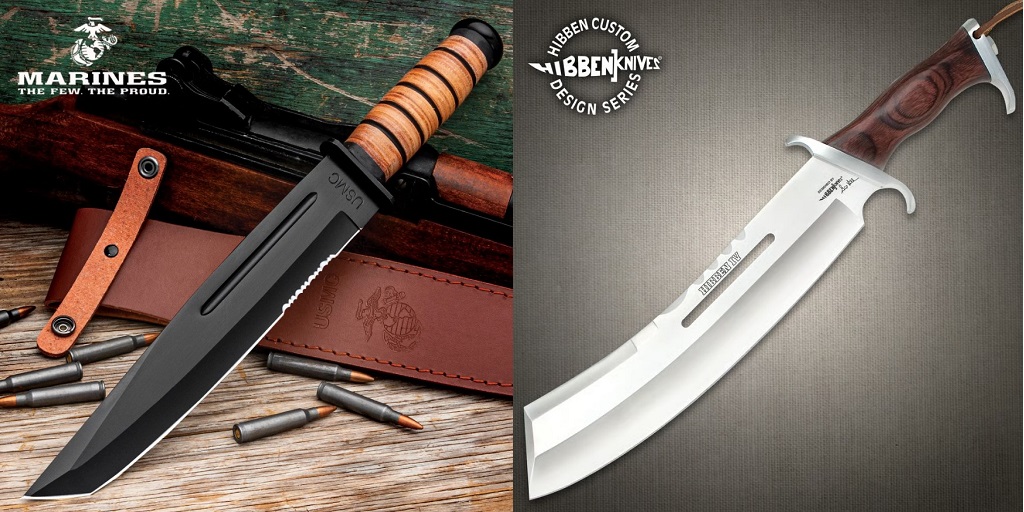
That new machete or knife might look cool, but don’t judge a book by its cover right now. What this means is that the profile might look slick and it might come with a cool sheath or even have a mirror polish, but much of the making of a machete is in its steel.
That is, literally, what the steel alloy consists of on a literally elemental level. This post will break down some of the details thereof.
The Big Two
The two main elements that are present in all steel alloys, regardless of what the steel will be used for, are iron and carbon. Without these two elements, you can’t even legitimately call the alloy steel. Steel is, after all, just iron with carbon added.
Iron is the main constituent of steel and usually present in concentrations of higher than 90%. It is a dense, incredibly strong metal that, when introduced to carbon, can produce a semi-crystal structure that makes it harder and wear resistant, perfect for tools like machetes, knives and swords, among others.
Carbon is added to iron, making it steel, primarily to give iron the ability to improve its hardenability. The higher the carbon content, the harder the steel can be, depending on its heat treatment. Carbon, when present in high concentrations, also makes steel runny when molten (cast iron) and it also makes the steel brittle.
Other Additives in Machete and Knife Steel
In addition to iron and carbon, the following elements are often added to machete knife steel alloys:
- Vanadium: Vanadium is one of the more popular additives to knife steel because it improves the grain structure of steel, making it tougher and more wear-resistant. Vanadium also interacts with carbon to form carbides, which offers even better wear resistance and greater edge retention.
- Molybdenum: Molybdenum is added to machete and knife steel because it provides a modicum of corrosion resistance but primarily because it increases toughness. This is a dense metal that is very resistant to chipping and shattering, and steel bearing it possesses the same attributes.
- Tungsten: Tungsten is not only incredibly dense but naturally incredibly hard. This makes it one of the most coveted additives in steel, as it considerably improves edge retention, but it also makes the steel a lot tougher. Knife steels bearing a lot of tungsten don’t just take and hold fine edges, they are also wonderfully resistant to damage.
- Chromium: Chromium, which is a relatively soft metal, is primarily added to knife steel knife steel alloys for the benefits of corrosion resistance that it offers. Chromium forms a thin layer of chromium oxide at the surface which insulates the steel underneath, sort of like a blade finish, and helps prevent the iron underneath from rusting or corroding.
- Nickel: Nickel, like chromium, also offers considerable corrosion-resistance properties to knife steel, but it also happens to improve the toughness and flexibility of the steel alloy as well.
- Niobium: Niobium is only rarely added to steel, but when it is, it is added mainly because it forms carbides in the steel which improve the grain structure and consistency, and which make the steel much harder, and thereby wear-resistant, for longer edge retention.
Get a New Machete or Knife at BudK
Hopefully you found this short post interesting, even though it only covers the concept of knife steel metallurgy from a very high level.
Either way, if you landed here because you are looking for a new machete, knife or sword, or some other bladed tool, check out BudK first. They carry a wide range of options at competitive prices and a lot of other cool stuff.
