
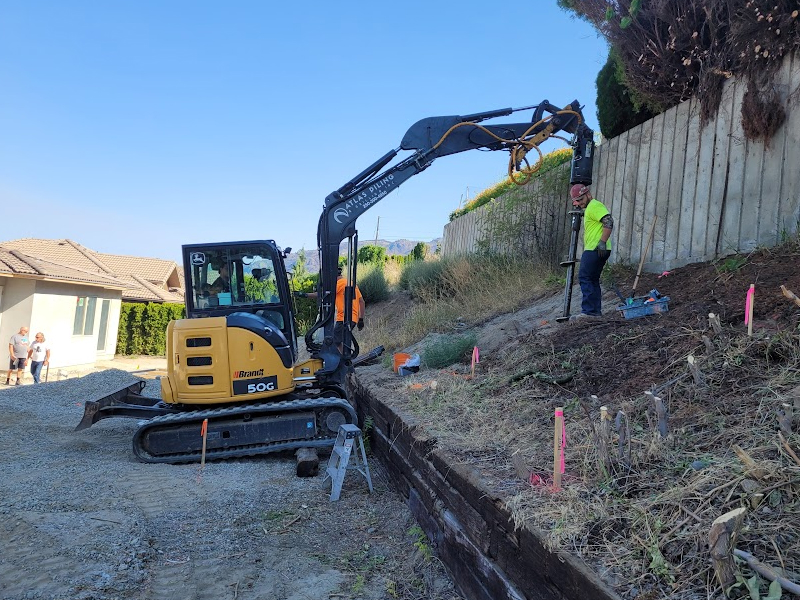
Choosing the right foundation system can make or break the success of your construction project. Among the most popular options are micropiles and helical piles—two solutions designed to handle challenging soil conditions, support heavy loads, and ensure long-term structural stability. While both are highly effective, the right choice depends on your project’s unique requirements.
Understanding the differences between these systems will help you make a smarter, well-informed decision. In this blog, we’ll break down the key factors to consider so you can determine which option best fits your needs.
1. Load Capacity and Structural Requirements
One of the first considerations in choosing between micropiles and helical piles is the load your structure needs to support.
Micropiles, typically constructed from high-strength steel casing or threaded bars, are drilled deep into the ground and filled with grout. They’re ideal for projects that involve heavy vertical and lateral loads, making them a preferred option for bridges, industrial buildings, and other large-scale developments.
On the other hand, helical piles are screwed into the soil rather than drilled, using helical-shaped plates to provide support. They can handle significant loads, too, but are often more efficient and cost-effective for medium to heavy structures like residential developments, commercial facilities, and light industrial projects. Many helical pile companies also offer engineered solutions that can be customized to match your site’s specific load requirements.
2. Soil and Site Conditions
Soil type plays a crucial role in determining the right foundation system. If your project site has unpredictable soil layers, high water tables, or dense rock formations, micropiles may be the better choice since they are drilled and grouted, making them highly adaptable to challenging geotechnical conditions.
In contrast, helical piles excel in softer soils, clay, silt, or sand where their screw-like design can achieve strong anchorage. Since they don’t rely on concrete curing or heavy drilling, installation can be faster and less disruptive. Leading helical pile companies often perform comprehensive soil assessments to ensure the piles are designed and installed for optimal performance.
3. Installation Speed and Equipment Needs
Time and cost efficiency are major factors when selecting a foundation system. Micropiles require specialized drilling equipment, grout pumps, and often longer setup times. While they provide excellent stability, the installation process can take longer and may involve higher labour and equipment costs.
Helical piles, on the other hand, are known for faster installation with smaller, more versatile equipment. For projects with tight timelines, limited access, or restrictions on noise and vibration, helical piles can significantly reduce construction delays. Many helical pile companies can complete installations in just a fraction of the time needed for micropiles, minimizing project downtime.
4. Project Budget and Long-Term Value
Budget constraints are another critical consideration. Micropiles generally come with higher upfront costs due to their materials, grout usage, and drilling equipment. However, they may be the best investment for extremely heavy structures or sites where other solutions aren’t feasible.
Helical piles are often more cost-effective, especially for mid-size commercial and residential projects. The quicker installation process also helps reduce labour expenses and keeps overall construction costs under control. Working with trusted helical pile companies ensures you get the most value from your investment without compromising on safety or quality.
Both micropiles and helical piles offer reliable foundation solutions, but the right choice depends on factors like load requirements, soil conditions, budget, and project timelines. Micropiles shine in complex ground conditions and for extremely heavy structures, while helical piles provide an efficient, versatile, and often more affordable alternative for many developments.
For More Information About Drilling Contractor Okanagan Valley and Best Drilling Service Please Visit: ATLAS PILING.
