
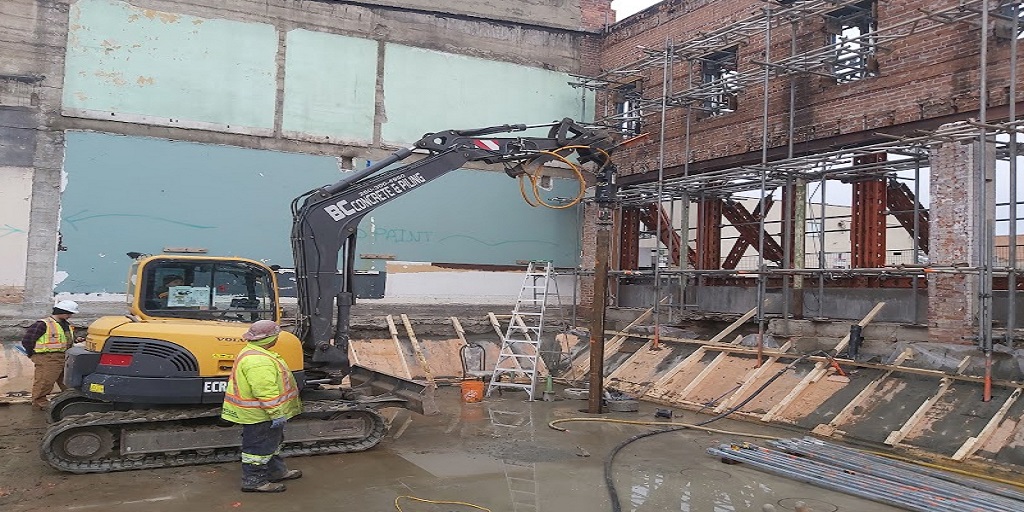
Change orders can be a significant source of frustration for both contractors and clients in foundation construction. These unexpected modifications often result in increased costs, extended timelines, and potential project delays. Understanding how to minimize or prevent change orders ensures smoother operations and financial savings. Below are strategies to reduce the likelihood of change orders, with a particular focus on the role of helical piles in effective foundation planning.
1. The Impact of Proper Planning
Thorough pre-construction planning is the first step in preventing unnecessary changes during the building process. Collaborating with engineers, surveyors, and architects in the design phase allows potential issues to be identified early. Soil assessments, site inspections, and detailed drawings help set realistic expectations, minimizing the need for later adjustments.
Including helical piles in the planning stage provides flexibility since they adapt to different soil conditions. Unlike concrete foundations, helical piles are easier to adjust if unexpected soil issues arise, reducing the risk of change orders.
2. Accurate Site Analysis
Change orders are often triggered by unforeseen ground conditions. Conducting geotechnical testing early on can reveal soil types, groundwater levels, and any obstructions below the surface. Such information ensures the foundation design aligns with the site’s requirements from the start.
When conditions call for deeper or more stable support, helical piles can be an excellent solution. These piles are suitable for a variety of soil types, making them an adaptable option for foundations. If pre-construction surveys reveal challenging soil conditions, contractors can incorporate helical piles instead of issuing costly change orders.
3. Clear Communication and Documentation
Open communication between stakeholders is essential for avoiding project disruptions. Misunderstandings about project specifications or client expectations can result in costly modifications. To avoid this, project managers should ensure that all parties have access to up-to-date drawings, timelines, and construction schedules.
Well-documented change management processes also play a vital role in keeping projects on track. Should any adjustments become necessary, having a clear protocol for approvals and revisions prevents delays. In cases where structural flexibility is essential, helical piles offer a fast and efficient solution, as they can be adjusted without complex excavation or pouring.
4. Building Flexibility into the Design
Some change orders are unavoidable, especially when site conditions deviate from original plans. However, contractors can minimize disruption by choosing construction materials and methods that allow for adaptability. This is where helical piles shine. These piles are not only quick to install but also easy to modify or remove if adjustments are needed.
With traditional concrete foundations, any change to the design typically requires excavation, demolition, and repouring, leading to significant costs. In contrast, helical piles offer a cost-efficient alternative. Their modular nature makes it possible to accommodate changes without excessive labor or materials.
5. Managing Contingencies Without Change Orders
It’s essential to build contingencies into the project budget to account for uncertainties. A common pitfall is underestimating risks and then relying on change orders to solve problems mid-project. Instead, setting realistic allowances and preparing for unexpected events in advance ensures that the project stays within budget.
Avoiding change orders in foundation construction requires thorough planning, clear communication, and adaptable solutions. From early site assessments to flexible construction methods, every step plays a role in keeping projects on budget and schedule. Incorporating helical piles into foundation designs offers a reliable way to manage uncertainties and reduce the likelihood of costly changes. With proper preparation and smart material choices, contractors can ensure smoother operations and deliver high-quality results without disruption.
