
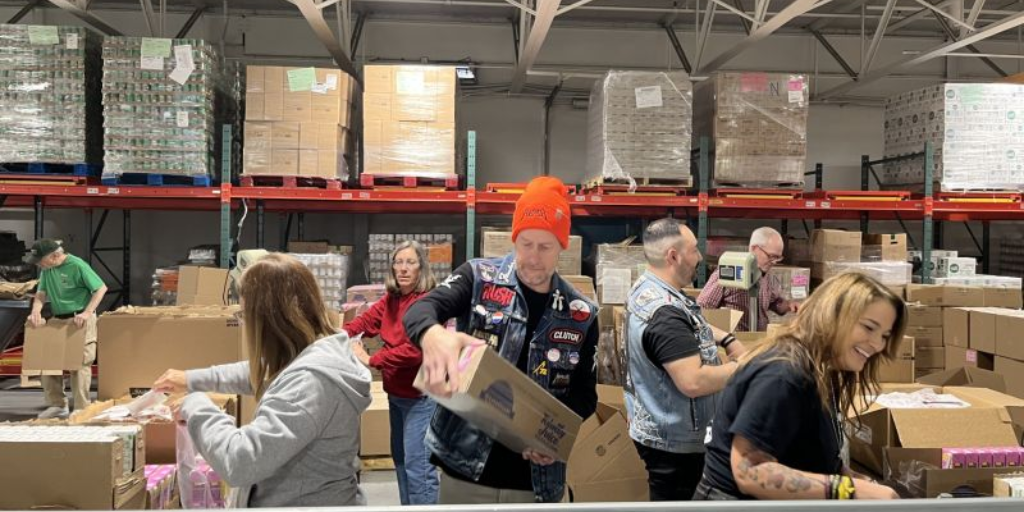
No one likes to see good food go to waste. And yet, across the food service industry, it happens every day. From surplus trays at catered events to perfectly edible produce pulled from shelves too soon, edible food ends up in landfills instead of on dinner tables. But what if you could turn your leftovers into real help for families who need it most?
Partnering with local food banks near you is one of the most impactful ways grocers, restaurants, caterers, event hosts, and other food professionals can fight hunger and reduce waste—without overhauling operations.
Why Your Leftovers Are Still Valuable
Not everything labeled “excess” belongs in the trash. In fact, many of the items being discarded are still safe, nutritious, and needed. Whether it’s prepped but untouched buffet items, produce past peak display, or packaged goods nearing best-by dates, these items can be salvaged—if handled properly.
Food banks like Philabundance work directly with businesses to ensure quality food donations meet safety standards and are distributed quickly. What may feel like “leftovers” to your operation can translate into hot meals and fresh groceries for your neighbors.
The Importance of Cold Chain and Date Guidelines
For donations to remain usable and safe, maintaining proper storage and transport is key. Cold chain management—keeping food within safe temperature zones from pickup to drop-off—is non-negotiable. Items such as dairy, meats, and prepared meals must be kept at 41°F or below until they’re in the hands of food bank partners.
Product dating also matters. According to Philabundance guidelines, frozen meat is accepted up to 180 days past its product date, as long as it was frozen within 24 hours of that date. Prepackaged deli items have their own criteria, and produce donations must be at least 80% usable. Following these guidelines helps food banks accept your donations with confidence—and reduces the risk of spoilage.
Food Safety First: The Basics of Donating Well
You don’t need to be a food safety expert to donate responsibly. But you do need to understand the basics. Here’s what makes the biggest difference:
- Keep hot foods hot and cold foods cold.
- Package items securely. Avoid damaged, bloated, or unlabeled packaging.
- Separate protein types (beef, poultry, fish) when donating meat.
- Label all donations clearly with contents and product dates.
- Avoid donating anything with signs of spoilage, mold, or unsafe thawing.
A good rule of thumb? If it’s something you’d be comfortable serving to your own family, it’s probably safe to donate—as long as it meets the proper guidelines.
How to Build a Reliable Donation Schedule
One-time donations are great, but recurring contributions allow food banks to plan ahead and serve communities more effectively. The easiest way to start? Identify your regular surplus items and build a weekly or monthly donation routine around them. For example:
- Grocery stores can set aside produce and dairy near sell-by dates.
- Restaurants and caterers can donate over-prepped food or extra boxed meals.
- Event venues can arrange post-event pickups for untouched platters.
Philabundance makes it easy to formalize your donations and offers support to help you implement a donation system that fits your business.
From Retail Shelves to Dinner Tables—Real Stories
What difference does it make? More than you think.
That tray of grilled vegetables from last night’s banquet? It could become the centerpiece of a hot lunch for a single mom trying to make ends meet. The crates of apples too bruised for display? They’re still perfect for baking, juicing, or handing out to families in need.
In 2023 alone, businesses partnering with Philabundance helped recover millions of pounds of surplus food. That translated into thousands of meals distributed across the region—not just filling bellies but providing dignity, comfort, and a sense of stability to those in need.
Join the Philabundance Network of Giving Partners
Food waste is a solvable problem—and your business can be part of the solution. Philabundance works with grocers, caterers, food vendors, and other partners to turn excess into access. Whether you donate once a month or once a week, your contributions help feed thousands of families across the region.
Learn more about how to get started and explore donation guidelines at Philabundance’s website. With the right partner, your surplus food doesn’t have to go to waste—it can go to good use.
For more information about Charitable Organizations Please Visit : Philabundance
