
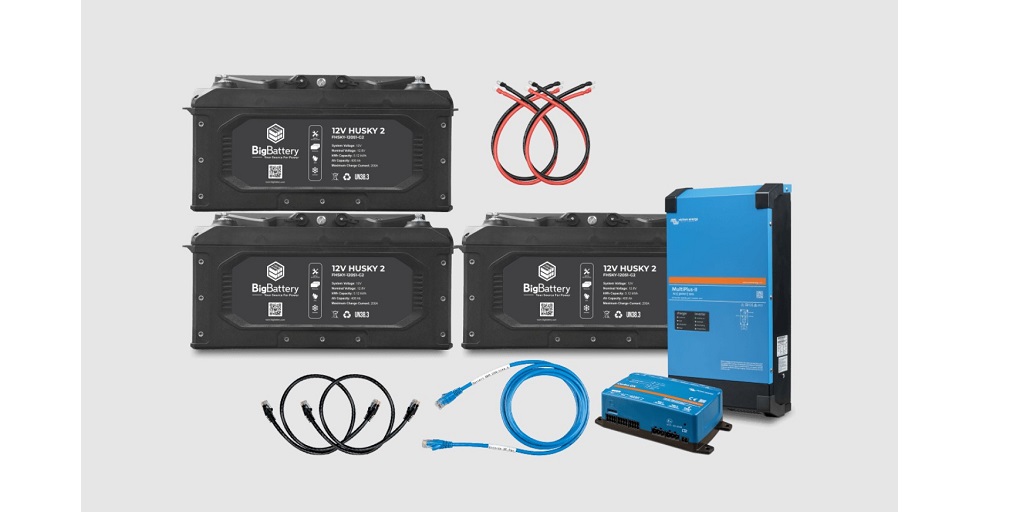
A deep cycle marine battery is a special type of battery intended to provide sustained periods of power output over a longer period of time. Rather than just starting an engine, a deep cycle battery is intended to power electronics, like trolling motors, navigation and spotlights, and fish finders, for prolonged periods.
As such, they are suitable for use on the water, but also generally require a little more TLC than some other types of batteries. In order to protect your investment and diminish the chances of going “dead in the water” it behooves you to properly maintain your battery. Here are some tips.
Smart Maintenance Considerations
One of the best things you can do to ensure longevity and performance is keep your deep cycle marine battery fully charged. When you aren’t using it, disconnect it from nonessential circuits to prevent parasitic drain and hook it up to a trickle charge or a battery maintainer.
You also will not want to let your marine battery ever discharge fully. It could happen every once in a while but if it does, don’t let the battery remain dead. Batteries that are left dead, especially lithium batteries, will often not take a charge if they remain dead for too long.
Regardless of what type of deep cycle marine battery you have, try to protect it from extreme temperatures, both hot and cold. Either one can reduce the performance, discharge potential, and lifespan of a battery. Extreme cold is probably worse, but neither is good.
Also, make sure to protect your connections and terminals, especially if it is a lead acid battery. Use dielectric grease where connections are exposed to help prevent corrosion from creeping up and damaging the circuit.
Another thing you can do to maintain a deep cycle marine battery is to keep the terminals clean, which becomes even more important if the battery is prone to discharge accumulation around the terminals.
Thinking of Switching Over to Lithium?
If you have a conventional, lead acid marine battery and are thinking about upgrading to a lithium deep cycle marine battery, there are numerous advantages associated with doing so.
Lithium marine batteries are lighter in weight, have a higher energy density, enjoy longer service lifespans, charge more quickly, and offer more consistent sustained power output than lead acid alternatives.
They basically have lead acid batteries beat on every front; while you’ll still want to keep to most of the use and maintenance considerations for marine batteries mentioned in this article, there are few reasons not to switch over to lithium.
Where to Get a Lithium Deep Cycle Marine Battery
Here for a lithium deep cycle marine battery? Make your first stop over at BigBattery. They carry a wide range of lithium batteries, including marine batteries, at competitive prices, and offer fast shipping, generous warranty coverage, and most importantly, high-quality, safe marine batteries.
For more information, visit their website, and if you need recommendations based on the level of power you need, get in touch with them directly.
