
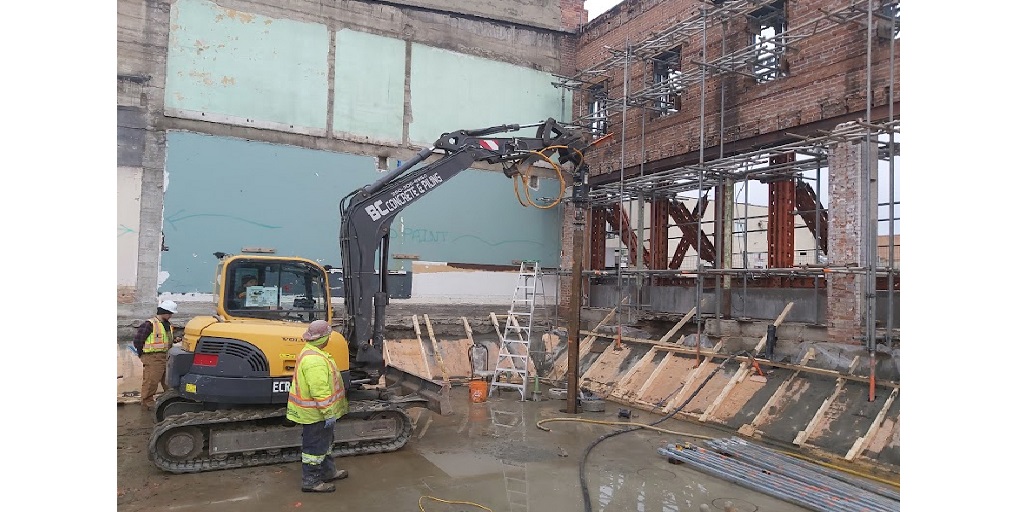
When a building shows signs of foundation trouble—like cracks, stuck doors, or slanted floors—the choice between repairing or rebuilding can be tough. Full demolition isn’t always practical or affordable. In many cases, keeping the existing structure intact is the smarter long-term move.
That’s where helical piles come in. They offer a strong, reliable fix that lets you reinforce the existing structure without starting from scratch. It’s a solution that saves time, money, and unnecessary disruption.
Signs You’re Dealing with a Foundation Failure
Foundation issues can develop slowly over time or appear suddenly after environmental shifts like heavy rains, frost heave, or nearby excavation. Symptoms might include:
- Diagonal cracks in drywall
- Gaps between walls and ceilings or floors
- Sagging floors
- Tilting chimneys
- Windows and doors that stick or don’t latch properly
Ignoring these signs can lead to further structural damage and significantly higher repair costs down the line. That’s why early diagnosis and the right solution are critical.
Why Rebuilding Isn’t Always the Best Option
Demolishing a structure to rebuild from scratch might seem like a clean solution, but it’s not always realistic. Cost, downtime, zoning regulations, and the historical or sentimental value of a property can all make a full teardown undesirable.
In retrofit situations, the goal is to stabilize the existing structure quickly and cost-effectively. This is where helical pile solutions provide a precise, adaptable fix—especially for buildings where traditional underpinning methods aren’t practical due to access limitations or soil conditions.
When Helical Pile Solutions Are the Ideal Retrofit Choice
Helical piles can be installed with minimal vibration and disturbance, which is particularly useful for retrofits in already-occupied buildings or sensitive environments. Here are scenarios where this approach often makes the most sense:
1. Settling Foundations on Weak Soils
In regions where soil conditions vary dramatically, some structures are built on soil that simply can’t support the weight over time. Helical piles bypass poor soils and anchor into stable strata below, providing immediate stabilization.
2. Tight Urban or Interior Spaces
Traditional foundation repair methods often require heavy equipment and extensive excavation. Helical pile systems can be installed using compact machinery—even indoors—which minimizes disruption and speeds up project timelines.
3. Additions to Existing Structures
Planning to expand a building that already has foundation issues? Helical pile solutions allow you to reinforce the original foundation and support the new load at the same time, ensuring long-term performance.
4. Time-Sensitive Projects
When every day of delay matters—whether for homeowners, business owners, or public facilities—helical piles offer a fast and reliable installation method that doesn’t require curing time or extensive excavation.
What Makes the Solution Long-Term
The effectiveness of helical pile solutions in retrofitting situations isn’t just in the quick install or minimal disruption. It’s the precision. Each pile is installed while monitoring torque, which correlates to load capacity. This ensures the structure is not only supported but capable of withstanding future stress from environmental changes or additional loads.
Additionally, piles can be individually designed and installed based on specific failure patterns, soil conditions, and structural requirements—offering a tailored approach rather than a one-size-fits-all fix.
Whether it’s stabilizing a settling home, reinforcing a commercial building, or preparing for an addition, the flexibility and reliability of helical piles make them an unmatched tool in the structural repair toolkit.
