
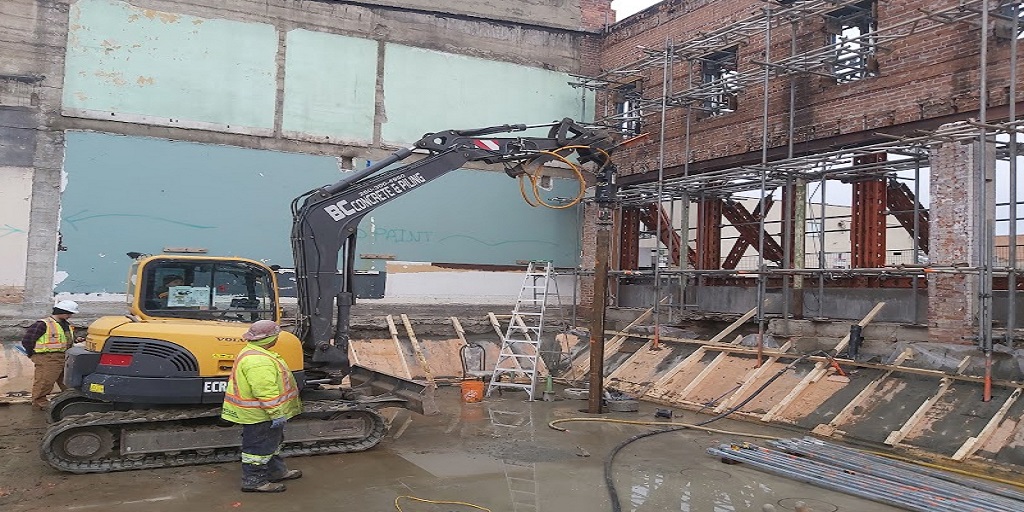
The oil and gas industry is no stranger to innovation, constantly evolving to meet the demands of challenging environments and stringent regulations. One of the most significant advancements in recent years is the increasing use of helical piles for foundational support. Traditionally, deep foundations in this sector have relied on driven piles or drilled shafts, but the helical pile driver is changing the game. This cutting-edge technology is providing a more efficient, cost-effective, and environmentally friendly solution for foundational stability.
The Challenges of Traditional Foundation Methods
The oil and gas industry operates in some of the most difficult terrains, from remote northern regions to unstable soil conditions. Conventional foundation systems, such as concrete footings and driven steel piles, often require extensive site preparation, heavy equipment, and lengthy installation times. These methods can be disruptive to the environment and costly in terms of labor and materials. Additionally, vibrations from traditional pile driving techniques can lead to structural concerns, especially in sensitive areas.
With increasing regulatory oversight and an industry-wide push for sustainable construction practices, companies are searching for alternatives that minimize environmental impact while maintaining structural integrity. This is where helical piles come in as a superior solution.
Why Helical Piles Are Transforming the Industry
Helical piles offer several advantages over conventional deep foundation methods, making them a preferred choice in the oil and gas sector. Here’s how they are revolutionizing foundation practices:
Rapid Installation & Reduced Costs
One of the primary benefits of helical piles is their quick and efficient installation process. A helical pile driver can install piles without the need for extensive excavation or curing time, significantly reducing project timelines. Since these piles are screwed into the ground rather than hammered, they require less heavy machinery, resulting in lower labor costs and fuel consumption.
Versatility in Challenging Soil Conditions
The oil and gas industry often encounters unpredictable soil conditions, including permafrost, loose sand, and clay-heavy areas. Helical piles excel in such environments because they can be installed in almost any soil type with minimal disturbance. Their adaptability ensures a stable foundation even in remote or challenging locations.
Minimal Environmental Impact
Unlike driven piles, which generate substantial noise and vibration, helical piles offer a quieter and less invasive alternative. This makes them ideal for projects in ecologically sensitive areas, where minimizing disruption is a priority. Additionally, helical piles can be removed and reused, reducing waste and making them a sustainable option for temporary and long-term projects alike.
Load-Bearing Strength & Long-Term Stability
Despite their easy installation, helical piles provide exceptional load-bearing capacity. Designed to resist axial and lateral loads, these piles offer reliable support for oil and gas infrastructure, including pipeline supports, compressor stations, and drilling platforms. Their screw-like design ensures secure anchoring into the ground, mitigating risks associated with shifting or settling soil.
The Future of Oil & Gas Foundations
The shift toward helical piles represents a broader trend in the oil and gas sector—one that prioritizes efficiency, sustainability, and innovation. With the advantages of helical piles becoming increasingly evident, more companies in the oil and gas sector are making the switch.
Engineers and project managers recognize that investing in a helical pile driver can lead to long-term cost savings, faster project completion, and enhanced environmental compliance. As technology advances, the efficiency and capabilities of helical pile systems will only continue to improve, making them a cornerstone of modern foundation engineering in the industry.
