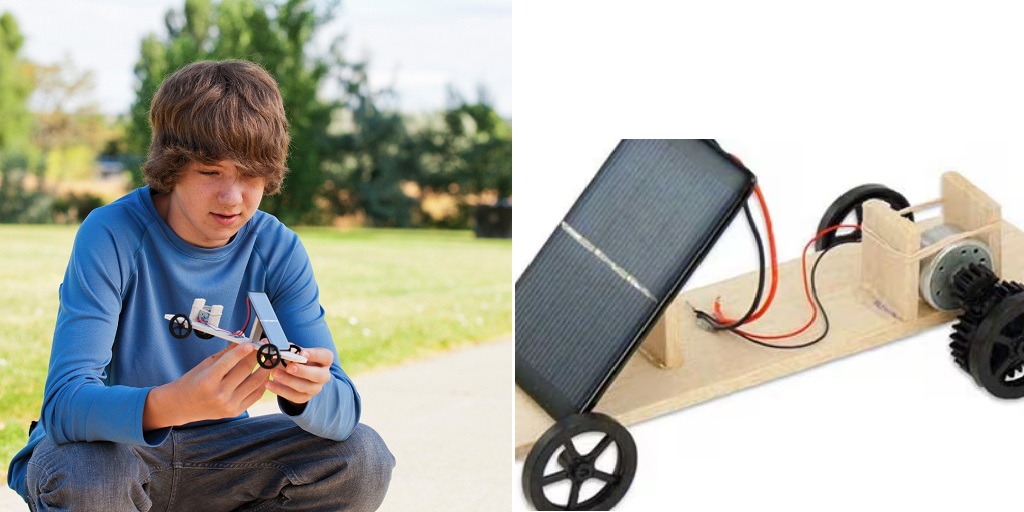
Children learn best when they can explore ideas with their own hands, and science projects for kids offer an enjoyable way to bring scientific concepts into everyday life. Whether conducted at home or in the classroom, simple experiments encourage curiosity while helping children connect lessons to real-world experiences. Mixing ingredients, building small models, or observing natural reactions transforms abstract ideas into memorable discoveries.
Hands-on activities invite children to ask questions, make predictions, and observe results. Each project becomes an opportunity to practice scientific thinking while developing confidence in solving problems independently. These experiences also make learning feel rewarding because children participate directly instead of watching from the sidelines.
Learning Through Exploration
Scientific concepts become easier to understand when children can see them in action. A baking soda volcano demonstrates chemical reactions with visible bubbling. A homemade compass introduces magnetism using everyday materials. Growing crystals reveals how minerals form over time.
These activities encourage careful observation. Children notice changes in color, texture, movement, or temperature and begin to connect those observations to scientific explanations. Recording results also strengthens attention to detail while introducing the habit of documenting evidence.
Exploration encourages natural curiosity. A child who wonders why an experiment worked may begin asking new questions, leading to additional investigations and a stronger interest in science.
Building Everyday Skills
Science activities support far more than scientific knowledge. Measuring liquids reinforces math concepts, while following instructions strengthens reading comprehension. Organizing materials teaches planning, and completing projects helps children practice patience.
Hands-on learning also develops communication skills. Explaining predictions before an experiment and discussing results afterward encourages children to express ideas clearly. These conversations expand vocabulary and improve confidence when sharing observations.
Creative thinking grows alongside technical skills. Children may adjust a design, test different materials, or repeat an experiment with small changes to compare outcomes. This process demonstrates that experimentation involves testing ideas, evaluating results, and making thoughtful improvements.
Encouraging Independent Thinking
Many science activities present questions without immediate answers. Instead of memorizing information, children gather evidence and reach conclusions through observation. This approach supports logical reasoning and encourages thoughtful decision-making.
For example, building a paper bridge introduces engineering principles. Children experiment with folds, shapes, and supports to discover which design holds the most weight. Small adjustments reveal how structure influences strength.
Projects like these also show that unexpected outcomes have educational value. If an experiment produces surprising results, children can examine possible reasons, change a variable, and test again. Repeating the process reinforces persistence and analytical thinking.
Creating Meaningful Family Learning Experiences
Science projects provide opportunities for families to learn together. Preparing materials, making predictions, and discussing observations create engaging conversations that extend beyond the activity itself.
Many projects require only common household supplies, making participation accessible without specialized equipment. Balloons, paper cups, food coloring, baking soda, vinegar, and plastic bottles can support dozens of engaging experiments.
These shared experiences encourage children to stay engaged while giving parents and caregivers opportunities to guide discussions without taking over the investigation. Allowing children to lead observations helps strengthen confidence and independence.
Supporting Long-Term Interest in Science
Positive early experiences with science can inspire lasting curiosity. Children who enjoy experimenting become more comfortable asking questions and exploring unfamiliar topics. That confidence extends into school, where scientific reasoning supports subjects ranging from biology and chemistry to engineering and environmental science.
Regular opportunities to investigate, build, and observe also help children recognize that science exists in everyday life. Weather patterns, plants, cooking, and simple machines all become opportunities to apply scientific thinking outside formal lessons.
Find More Ideas for Hands-On Learning
If you’re looking for fresh experiment ideas and educational resources, Home Science Tools offers guides and project inspiration that help families and educators encourage curiosity through engaging, age-appropriate science activities. Whether you’re planning a single afternoon experiment or exploring new learning opportunities, you’ll find resources that support meaningful hands-on discovery. For more information, please visit Home Science Tools.