Sewing patterns are an essential tool for any sewing enthusiast, whether you’re a beginner or an experienced seamstress. They provide a blueprint that guides you through the process of creating clothing, accessories, and home decor items.
Understanding how to use sewing patterns effectively can make your projects more successful and enjoyable. If you are a beginner, here’s a simple guide on how to use sewing patterns with a sewing machine, from selecting the right pattern to finishing your project.
Choosing the Right Pattern
Selecting the right sewing pattern is the first step in any successful project. You have to consider the following factors when you want to use a pattern. First, you have to be honest about your skill level.
Patterns are typically labeled with a skill level, such as beginner, intermediate, or advanced. More advanced patterns require complicated stitches and sewing machine speeds, so choose a pattern that matches your skill level to avoid frustration.
You also have to ci-onsider the type of project you want to do. Decide on what you want to create and select a pattern that matches your project type, whether it’s a dress, tote bag, or pillowcase.
Finally, the size of the project matters. Make sure the pattern is available in your size or can be adjusted to fit.
Preparing the Materials
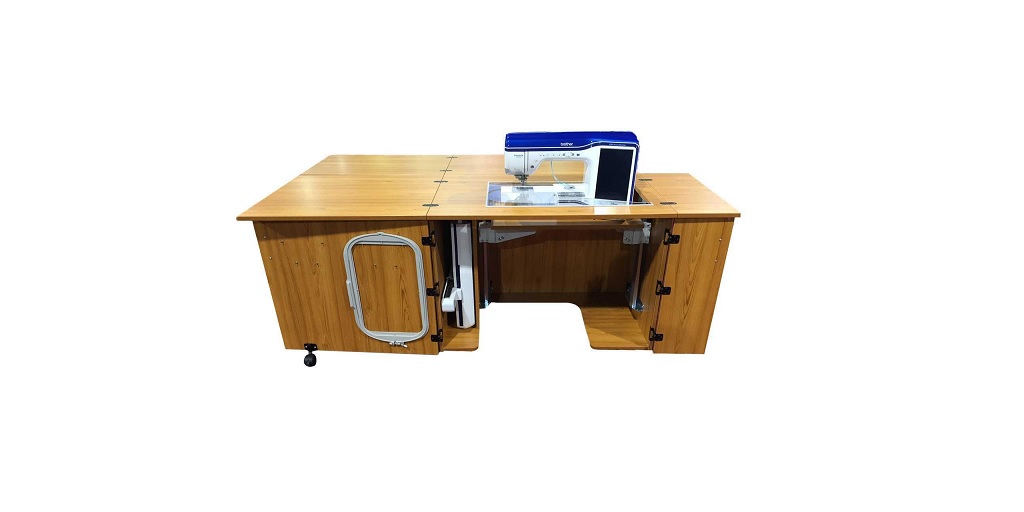
Before you start cutting and sewing, gather all the materials you’ll need. It;s best to keep all of these materials in a sewing cabinet. Sewing cabinets are specifically made to store sewing and quilting materials, and some even have spaces for sewing patterns.
Even if you are a beginner, it’s best to invest in sewing cabinets that can fit your tools, notions, patterns and materials, so you can keep your working space clean and organized. Make sure to prepare the following:
- Fabric
Choose a fabric that’s suitable for your pattern. Check the pattern envelope for fabric recommendations and required yardage.
- Notions
Gather any additional materials like thread, zippers, buttons, and interfacing that your pattern calls for.
- Tools
Ensure you have the necessary tools, including scissors, pins, measuring tape, and, of course, your sewing machine.
Reading the Pattern
One of the most important things is to know how to read a sewing pattern. Patterns typically include several components, and it’s best to store them in your sewing cabinet so each component will not be lost.
- Pattern Envelope
Contains information about the project, including size options, fabric requirements, and suggested notions.
- Pattern Pieces
These are the templates you’ll use to cut out your fabric. Each piece is labeled with its name and any necessary instructions.
- Instruction Sheet
Provides step-by-step guidance on how to assemble your project. Read through the instructions thoroughly before you begin.
Cutting Out Your Pattern Pieces
Once you’ve familiarized yourself with the pattern, it’s time to cut out your pieces. Wash and iron your fabric to prevent shrinkage and ensure accurate cutting. Then layy your fabric flat and arrange the pattern pieces according to the layout diagram provided in the instructions. Use weights or pins to secure the pattern to the fabric.
Use sharp fabric scissors to cut around each pattern piece, following the cutting lines exactly. Transfer any markings (like notches or darts) to the fabric using tailor’s chalk or a fabric marker.
Start Sewing!
With your fabric pieces cut out, you’re ready to start sewing. Follow the instructions for detailed steps on how to sew your project. Work through the steps methodically, sewing each seam and completing each task in order.
Pay attention to seam allowances, stitch types, and finishing techniques specified in the pattern. Use pins or clips to hold pieces together as you sew. If your project is a garment, try it on as you sew to ensure a good fit. Make adjustments as needed and do the final touches such as the hems, edges, and closures.
Whether you’re sewing a simple tote bag or a complex garment, following these steps will help you make the most of your sewing patterns and achieve success in your sewing endeavors.
Happy sewing!