
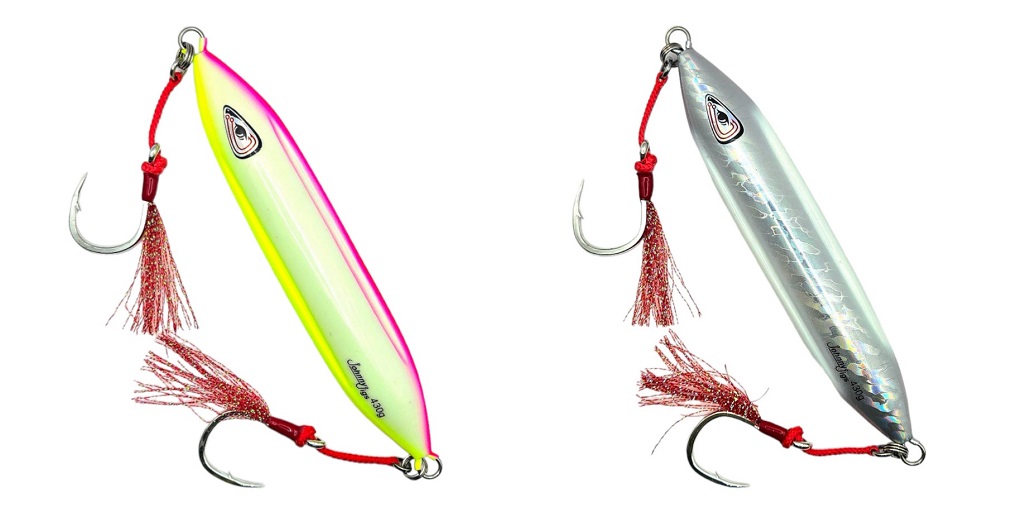
Slow pitch jigging, sometimes referred to as SPJ, is a highly effective technique used to target a wide range of predatory saltwater gamefish (though it can also be effective on freshwater fish like trout and salmon).
Unlike speed jigging, slow pitch jigging uses special jigs and rods to create a metered, fluttering, darting cadence, especially as the jig drops through the water. Many species find this irresistible, and this jigging discipline is catching on.
Of course, like any technique, it requires a specific skillset in order to be effective. Here are some slow pitch jigging tips that can help you be more successful on the water, should you ever try it.
Use Lighter Braid
This is actually not just a slow pitch jigging tip, but a general piece of good advice for most fishermen.
In the realm of slow pitch jigging, specifically, lighter braid will offer you better sensitivity and create less drag in the water column so your jig will rise and drop more naturally, and be less affected by currents.
The other benefit of lighter braid is you can fit more line on the spool. And though it doesn’t apply to slow pitch jigging, for other fishermen, you’ll be able to cast farther, so keep that in mind too.
Be Ready on the Drop
Far and away, nearly all of your strikes in slow pitch jigging will occur as the jig is fluttering down through the water column. This is in common with other lure-based techniques, in which most strikes come on the initial presentation, the drop, or the pause.
Let the line nearly slack as it falls, but be ready to strike if you feel it stop falling; a fish has taken it.
Get Close to Structure
We get it, you don’t want to risk your tackle getting snagged on structure, but the truth is, if you aren’t losing a lure every once in a while, you’re not really fishing.
Sad but true. The point is, you need to get close to structure to lure out the fish that are hugging it. This won’t matter much for species that are open-water going or which are suspended, but for structure dwellers, like grouper, sea bass, fluke, wreckfish, and many others, if you don’t get close, your success rate will be much lower.
Pay Attention to What Fish Are Telling You
Some days, fish will be skittish and will tap lures with reserve. Some days they will inhale them. Some days they will prefer a more aggressive retrieve before the drop, other days they will prefer subtlety. Then again, some days they may prefer one color or pattern over another.
Either way, after you catch a fish, pay attention to what works, and before you drop down again, be ready to look for patterns. If you can key in on what works on that given day, for those conditions, and for the fish you are targeting, you will be more effective.
Let the Rod Do the Work
Slow pitch jigging can be surprisingly tiring work, especially with a heavy jig. Use the mechanical advantage the rod gives you.
Keep the butt of the rod wedged under your non-dominant forearm and use it as a lever. It will be much easier to lift the rod tip in this manner, not just when working the jig, but once you’ve hooked a fish and are trying to bring it to the rail.
Get What You Need from the Slow Pitch Jigging Authority
Here for some new slow pitch jigs? Get them online at Johnny Jigs, and if you have any questions about any of these suggestions get in touch with them for more help.
