
Carbon fiber has effectively taken over the industry for golf shafts for drivers. There really are no steel shafts left, despite the fact that steel was the standard for many years.
Carbon fiber driver shafts are lighter, more flexible, more versatile, and provide better feedback than steel, and even though they’re not stronger, they’re pretty close.
What’s more, the performance of carbon fiber shafts can be engineered to do pretty much exactly what’s desired. Steel is a little less flexible, no pun intended.
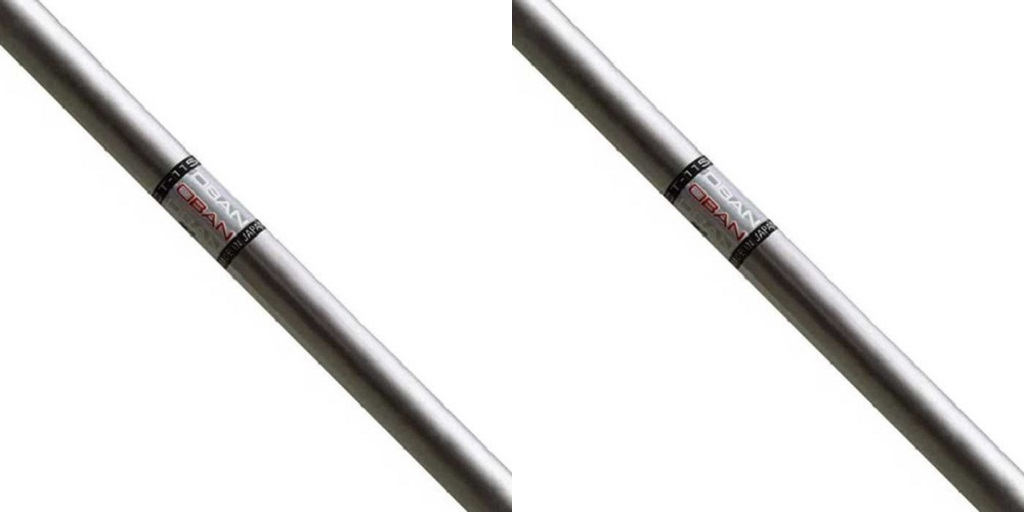
All of this is not the case with respect to iron shafts. Yes, there are carbon fiber iron shafts that have taken over part of the market, but there are still premier brands made from steel, such as many True Temper and Oban iron shafts.
It is equally true that there is a loyal cohort of golfers that won’t be sacrificing their steel iron shafts for carbon fiber anytime soon. Here are just a few of the things they might tell you to convince you that steel is still the way.
Strength
Carbon fiber can be made very strong (and light) which is one of its relative benefits when compared with steel. But in strength alone, it can’t compare.
This is literally steel we’re talking about. Not very much is stronger than steel is, and carbon fiber is not one of those few.
Weight and Stability
Steel shafts are considerably heavier than carbon fiber iron shafts, but that is one of the things that some golfers like about them.
A heavier shaft will feel more stable and consistent in the hands, and actually, that extra mass can produce more energy transfer through the club.
Granted, this is only a benefit for stronger golfers with faster speeds, but it should be considered nonetheless.
Stiffness and Torque
A good carbon fiber iron shaft can be engineered and tested to guarantee very high stiffness and low torque ratings, but it will never match steel.
Steel iron shafts are stiffer and produce much less torque than even the best carbon fiber shafts. For golfers, this equates to greater consistency.
Longevity
The durability of steel is legendary, and it produces one of the most significant of all benefits of steel iron shafts: they last forever.
If you abuse your carbon fiber iron shafts, it won’t be long before they start to splinter. You can literally dig massive divots out of the ground with a steel shaft, and unless you swing so hard that you literally bend the shaft, it’ll come up asking for more.
The one caveat is that steel shafts can rust, and carbon fiber won’t. But just keep your shafts clean and dry and store them conscientiously, and this won’t be a problem for you.
Explore Steel Iron Shafts and More
In the market for a new iron shaft and want to make it a timeless steel option? Visit Dallas Golf Company; they represent the best brands and still offer many steel iron shafts. Check out their website and get in touch with their fitters directly for more information, or if you’re looking for a personalized recommendation.
