
Mold is a common household problem that can quickly turn into a health hazard if left untreated. Mold foggers are a popular tool for addressing mold issues, offering a fast and efficient way to eliminate spores in the air and on surfaces. Before using one, though, it’s essential to know how to utilize a mold fogger safely and effectively. Here are some of the dos and don’ts of using a mold fogger so that you can tackle mold in your home without worries:
What Is a Mold Fogger?
A mold fogger is a device that disperses a specialized solution in the form of a fine mist or fog. This mist spreads through the air and lands on surfaces, helping to eliminate mold spores that might be hiding in hard-to-reach places.
Mold foggers can be an effective tool, especially in areas where mold is widespread or recurring. Using a mold fogger regularly for routine cleaning and maintenance is also an excellent way to control mold in homes where mold-sensitized individuals are present.
The Dos of Using a Mold Fogger
1. Do Prepare the Area Before Fogging
Preparation is key to effective fogging. To start, clear the room of any items that could be damaged by moisture, such as electronics, papers, and fabrics. Mold foggers release a mist that can leave a damp residue on exposed surfaces, so removing or covering sensitive items is essential. Make sure to ventilate the area if possible and have a clear exit path for when you finish.
2. Do Follow the Manufacturer’s Instructions
Each mold fogger has specific guidelines for use, so read the instructions carefully before starting. Manufacturers usually provide details on how long to fog a room, the amount of solution to use, and other safety precautions. Following these instructions ensures you get the best results and avoid any potential hazards.
3. Do Ventilate the Area After Fogging
After using a mold fogger, it’s crucial to ventilate the area thoroughly. Open windows and doors to let fresh air circulate.
4. Do Consider a Professional if Mold Persists
If you’ve fogged an area and mold keeps coming back, it may be time to call a professional mold remediation service. Persistent mold can indicate a deeper issue, such as hidden moisture sources or structural damage. A professional will be able to identify and address the root of the problem, providing a more permanent solution.
The Don’ts of Using a Mold Fogger
1. Don’t Use a Mold Fogger on Its Own for Severe Infestations
While foggers are effective for airborne spores and surface mold, they’re not a cure-all for severe infestations. If mold is growing deep within walls or large structural areas, fogging alone won’t solve the problem. Mold requires moisture to thrive, so if there’s a continuous moisture source, the mold will keep coming back. In such cases, structural repairs and professional intervention are necessary.
2. Don’t Ignore Pre-Cleaning
A common mistake is to skip cleaning before using a fogger. Foggers are not designed to remove visible mold from surfaces; they’re intended to manage spores. Before fogging, clean any visible mold with an appropriate cleaning solution. This will ensure the fogger can work more effectively on the remaining spores.
3. Don’t Rely on Fogging as a Long-Term Solution
Fogging can be a quick fix, but it’s not a long-term solution for serious mold issues. Mold spores can return if the source of moisture isn’t addressed. Regularly inspect your home for leaks, condensation, or poor ventilation – common causes of mold growth. Fixing these issues will help prevent future mold problems.
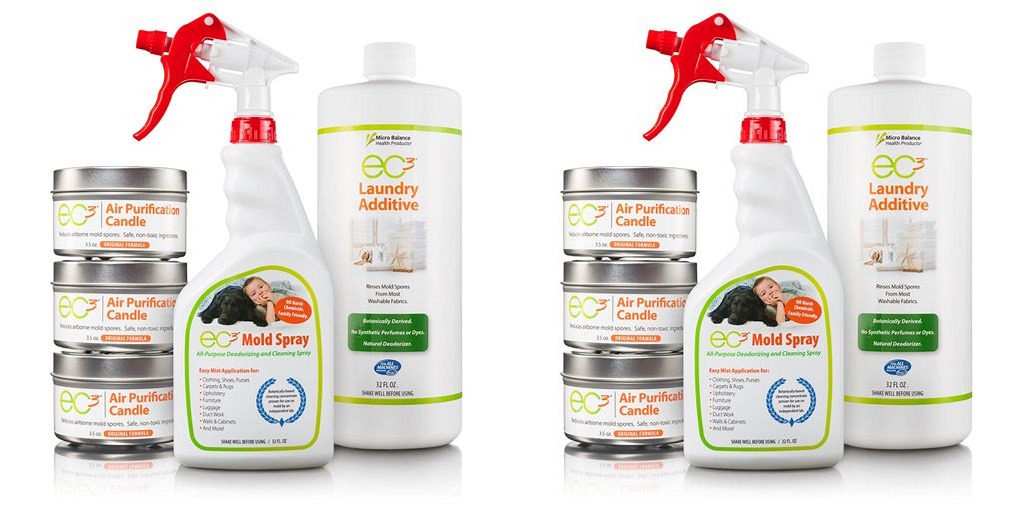
Micro Balance Health Products’ EC3 Sanitizer Fogger and Mold Solution Concentrate: Your Best Friend Against Mold
Micro Balance Health Products’ EC3 Sanitizer Fogger, when used in conjunction with their EC3 Mold Solution Concentrate, can temporarily provide a safe environment for those affected by mold and mycotoxins. It is not a replacement for professional mold remediation, but it can remove mold spores, bacteria, and musty smells on all hard and soft surfaces. Visit the Micro Balance Health Products website now to learn more.
