
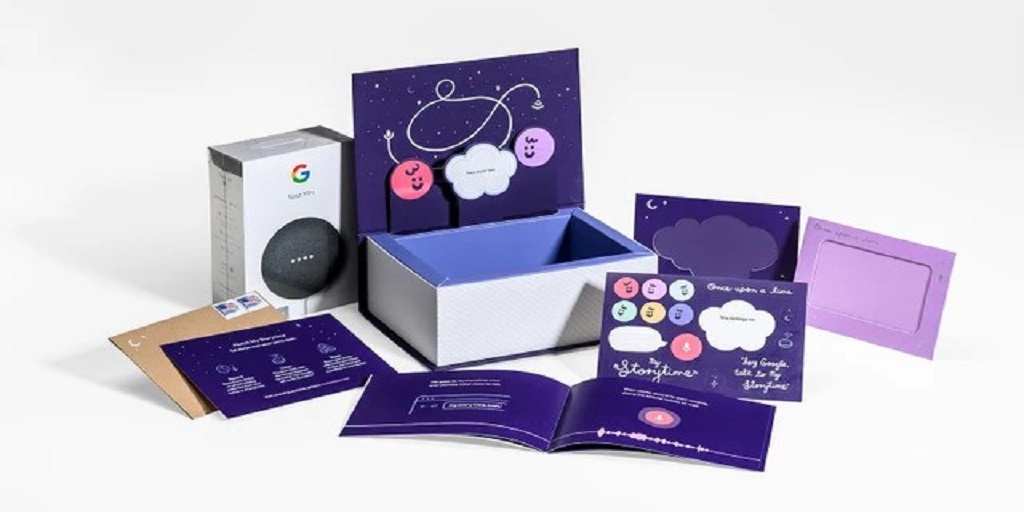
Buyers who compare packaging vendors on paper tend to pick the wrong one. Three quotes read almost identically, every website promises premium packaging and fast turnaround, and the specs list the same finishes. The difference lives in a physical box, not a PDF, and there’s one step that surfaces it before any money changes hands. Ask every finalist for a real prototype or a comparable production sample, then spend an afternoon putting it through its paces.
What a Real Sample Reveals About Specialty Packaging
A vendor who does careful work will hand over a sample without hesitation. A vendor who cuts corners will stall, send a digital mockup, or mail something a different plant produced. That reluctance answers the question on its own. Once the box is in hand, the person evaluating it can check the things that actually predict how a full run of specialty packaging will hold up, and none of them require a lab.
Start with board caliper. A rigid box that feels flimsy in the hand will feel flimsy to the customer too, and a quick pinch at the corner tells you whether the paperboard matches what the spec sheet claimed. Run a thumb across the foil next. Registration on foil stamping should sit dead center on the design, not creep a hair to one side, because a plant that can’t hold foil registration on a sample won’t hold it across ten thousand units. Look hard at any laminated surface. Edge lift, where the film starts peeling back at the corners or seams, shows up early on a rushed job and gets worse in a warm warehouse.
The Tactile Checklist Behind Smart Packaging Design
Glue integrity is easy to test and easy to overlook. Open and close the box a few times, tug gently at the seams, and see whether anything gives. Weak adhesive on a luxury package fails in transit, and the customer opens a box that’s already coming apart. On a rigid box, the lid tells its own story. It should settle onto the base with a little resistance and an even gap all the way around, not slide off loose or jam at one corner. Good packaging design shows up in that fit.
None of this takes special training. A buyer can run the whole check in an afternoon at a desk, and the results separate a boutique packaging shop that sweats the details from one that photographs well and produces poorly. Companies shopping for custom packaging or a first product packaging run especially benefit here, since they often have no prior batch to compare against and the sample is their only real data point.
Why the Sample Test Beats the Sales Pitch
Salespeople describe capabilities. A sample proves them. Someone weighing sustainable packaging claims can check whether the recycled board actually holds an edge, and someone paying for detailed structural work can confirm the fold behaves the way the rendering promised. The vendors who welcome this kind of scrutiny are usually the ones running specialty packaging in-house, where they control every pass and can stand behind the result. The ones who dodge it are often brokering the work to a plant they’ve never toured.
A buyer who insists on holding the product before signing rarely regrets it. The afternoon spent checking caliper, foil, lamination, glue, and lid fit costs far less than a full run that arrives wrong, and it filters out the wrong partner before a purchase order locks anything in.
Manufacturers who build to that standard tend to invite the inspection rather than avoid it. Oliver, Inc. produces custom and rigid packaging in its own US plants, which is why sending a spec and asking for a sample is a reasonable first conversation to have. Hold the box, run the checklist, and let the work answer for itself.
For more information about Custom Folding Boxes and Pharmaceutical Packaging Design Please visit: Oliver Inc.
