
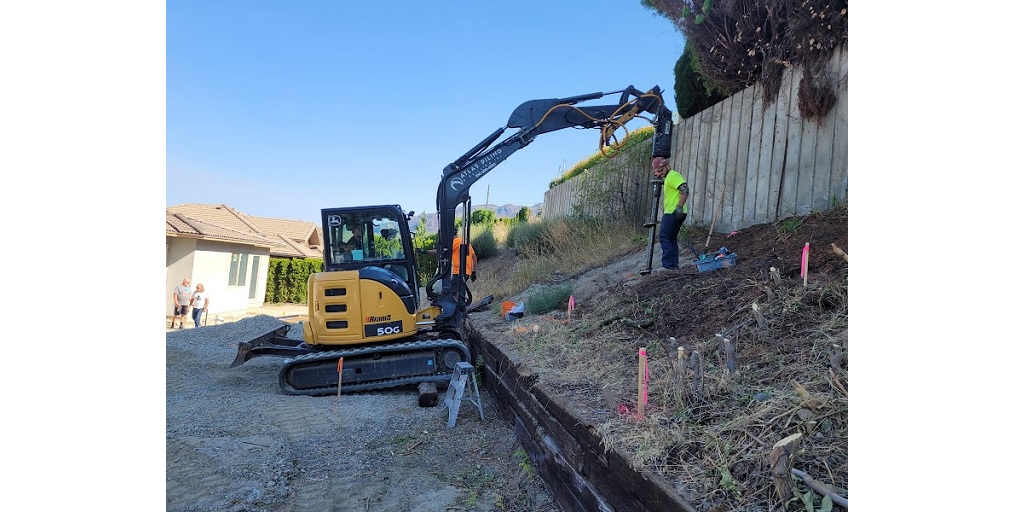
When it comes to building a sturdy and long-lasting deck, choosing the right foundation is crucial. Many homeowners and contractors are turning to helical piles for decks, thanks to their superior load-bearing capacity, ease of installation, and minimal environmental impact. However, to fully appreciate their effectiveness, it is important to understand the concept of stress zones and how they play a key role in the performance of helical piles.
What Are Stress Zones?
Stress zones refer to the areas within the soil where forces exerted by a structure are distributed. When a load is applied to a deck supported by helical piles, the stress is transferred into the surrounding soil, creating zones of pressure and resistance. The proper design and installation of helical piles ensure that these stress zones are strategically placed to provide optimal stability and load-bearing capacity.
Understanding stress zones helps ensure that helical piles for decks perform efficiently, reducing risks such as settlement, tilting, or structural failure. By analyzing soil conditions and determining the appropriate placement of piles, engineers can maximize the strength and longevity of the deck foundation.
Factors Influencing Stress Zones in Helical Pile Foundations
Several factors influence how stress is distributed within the soil when using helical piles. These include:
- Soil type and composition. Dense soils tend to create wider stress zones with better load distribution, while loose or organic soils may require deeper pile installations to reach stable layers.
- Load distribution. Properly designed helical piles help distribute these loads evenly, preventing concentrated stress points that can lead to structural issues.
- Installation depth and angle. Deeper piles reach denser, more stable soil layers, which provide better support. Additionally, the installation angle can be adjusted to optimize load distribution and enhance structural integrity.
- Pile diameter and helix size. Choosing the right size and configuration of helical piles ensures that the foundation can support the intended load without excessive soil displacement.
The Importance of Proper Stress Zone Management
Managing stress zones effectively is crucial to the success of any deck foundation project. Improper placement or miscalculated loads can lead to:
- Uneven settling of the deck
- Structural instability over time
- Increased maintenance costs
- Potential safety hazards
To avoid these issues, working with experienced professionals who understand the intricacies of helical pile installation is essential. A thorough site assessment, soil analysis, and precise engineering calculations help ensure that the stress zones are optimized for long-term durability.
Advantages of Helical Piles for Decks
When installed correctly with a thorough understanding of stress zones, helical piles for decks offer numerous benefits, including:
- Fast and efficient installation. No need for extensive excavation or curing time, allowing for quick deck construction.
- Minimal environmental disruption. The lightweight installation process reduces disturbance to the surrounding landscape.
- Superior load-bearing capacity. Engineered to support heavy loads with minimal settlement.
- Year-round installation. Unlike traditional concrete foundations, helical piles can be installed in various weather conditions.
Understanding stress zones is an essential part of utilizing helical piles effectively in deck construction. By taking soil conditions, load distribution, and proper installation techniques into account, homeowners and contractors can ensure a durable and reliable foundation that stands the test of time. Investing in the right foundation solution today will provide peace of mind and long-lasting enjoyment of outdoor spaces for years to come.
