
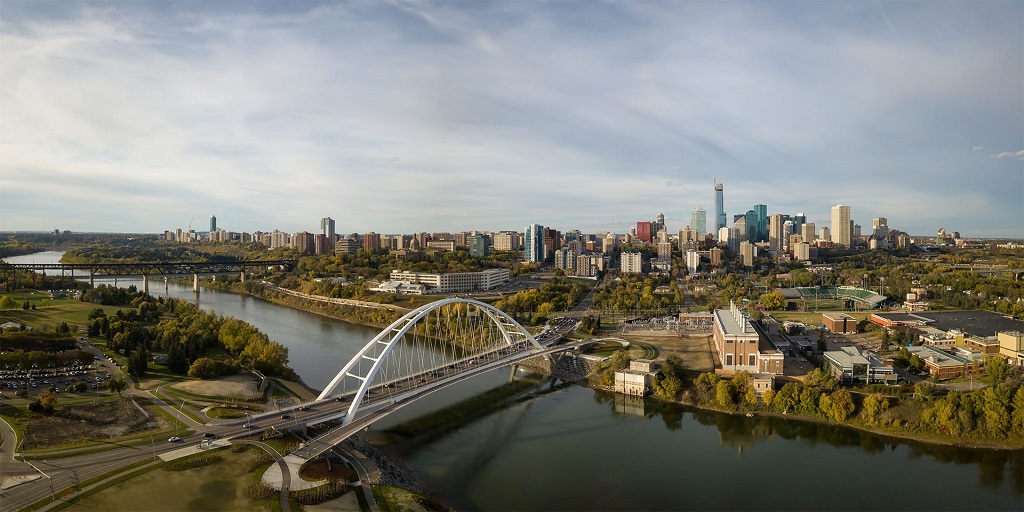
Topographic surveys play a key role in understanding the physical characteristics of land in Edmonton. By capturing detailed information about both natural and built features, these surveys provide a clear representation of a site’s conditions. This information is widely used in construction, land development, and planning projects, where accurate data is essential for making informed decisions.
What a Topographic Survey Represents
A topographic survey provides a detailed map of a property that includes elevation changes, contour lines, and surface features. Natural elements such as slopes, trees, and drainage patterns are recorded alongside man-made features like buildings, roads, and utility lines. Surveyors use precise instruments to measure distances and elevations, ensuring that the data accurately reflects the characteristics of the land.
In Edmonton, topographic surveys are used across a range of environments, from residential neighborhoods to large development sites. The resulting data helps professionals understand how a site can be used effectively while accounting for existing conditions.
Supporting Planning and Design Decisions
One of the primary uses of a topographic survey is to support planning and design. Architects, engineers, and developers rely on accurate site data to create plans that align with real-world conditions. Elevation information, for example, helps determine how a building will sit on a site, while contour lines assist in designing drainage systems.
Without a topographic survey, planning decisions may be based on assumptions rather than verified data. This can lead to design challenges or adjustments during later stages of a project.
Improving Efficiency in Construction Projects
Topographic surveys in Edmonton contribute to efficiency by providing a reliable foundation for construction activities. When site conditions are clearly understood, project teams can plan more effectively and reduce the likelihood of unexpected issues. Accurate data helps guide grading, excavation, and foundation work, ensuring that each stage of construction aligns with the overall design.
In a city like Edmonton, where seasonal conditions can influence ground stability and drainage, having precise elevation data is particularly important for maintaining project accuracy.
Identifying Potential Site Challenges
Another important benefit of topographic surveys is their ability to reveal potential challenges before construction begins. Features such as uneven terrain, drainage concerns, or existing structures can affect how a site is developed. By identifying these factors early, project teams can adjust their plans and avoid costly changes later.
This proactive approach supports smoother project execution and helps reduce risks associated with unforeseen site conditions.
Supporting Compliance and Coordination
Topographic surveys also assist in meeting regulatory requirements and coordinating with various stakeholders. Accurate site data is often required for permit applications and project approvals. It also helps ensure that different aspects of a project, such as utilities, access points, and structural elements, are properly aligned.
Clear and reliable survey information supports communication between architects, engineers, contractors, and municipal authorities, contributing to a more coordinated development process.
Enhancing Decision-Making with Accurate Data
Reliable information is essential for making sound decisions in any land-related project. Topographic surveys provide the detailed data needed to evaluate site conditions, plan effectively, and carry out construction with confidence. By offering a comprehensive view of both natural and built features, these surveys help ensure that decisions are based on accurate and up-to-date information.
For property owners and developers in Edmonton, investing in a topographic survey is a practical step toward achieving efficient, well-planned, and successful project outcomes.
For More Information About Survey Services Regina and Survey Services Saskatoon Please Visit: Connexa Group.