
When it comes to foundational support, helical piles have earned a reputation for their durability and efficiency. But how do they truly perform underground over decades? While they offer immediate stability upon installation, their long-term performance is a crucial factor in determining their reliability. Through time-lapse analysis, engineers and researchers have been able to observe and evaluate the behavior of helical piles beneath the surface over extended periods.
The Initial Phase: Installation and Early Performance
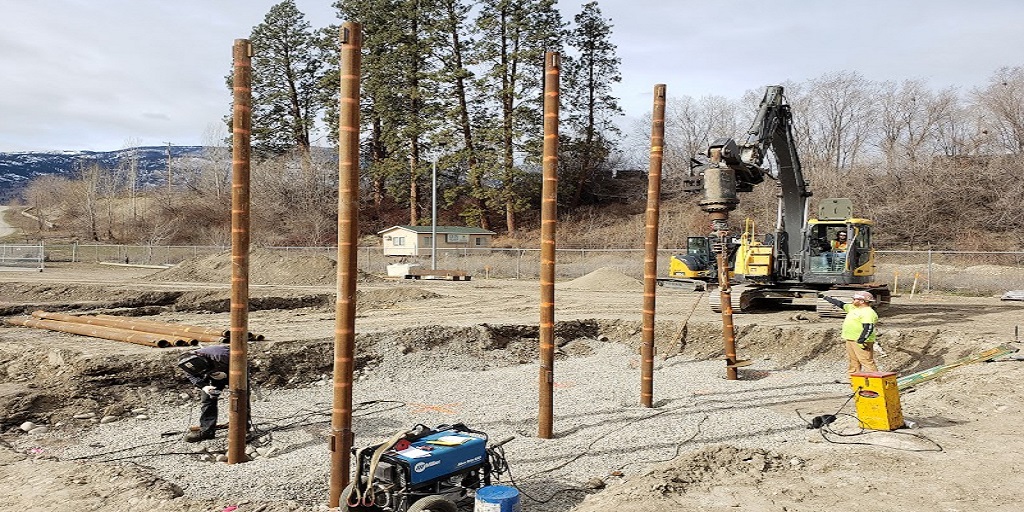
Helical piles, often chosen for their ease of installation and minimal site disturbance, are a preferred deep foundation solution. Helical pile contractors install them by rotating the piles into the ground, much like a screw, allowing them to reach stable soil or bedrock.
In the early years, the primary factors that influence their performance include soil conditions, moisture levels, and load distribution. Proper installation ensures that the piles achieve immediate load-bearing capacity, but their true test begins in the following years as they endure environmental stressors. Additionally, engineers closely monitor the behavior of these piles to assess their early-stage settlement and stability. These initial assessments help determine whether any adjustments or reinforcements are needed to ensure long-term durability.
Medium-Term Observations: How Helical Piles Adapt
Over the course of several years, helical piles undergo adjustments as the soil surrounding them shifts due to factors such as seasonal changes, groundwater fluctuations, and freeze-thaw cycles. Engineers conducting time-lapse assessments have noted that well-installed helical piles show minimal displacement, even in challenging soil conditions.
One of the critical aspects of their performance during this phase is corrosion resistance. Most helical pile contractors use galvanized or coated steel to mitigate rust and degradation. Regular inspections and load tests conducted over time reveal whether additional protective measures are necessary to maintain the structural integrity of the piles. Furthermore, engineers analyze soil-pile interactions to understand the impact of subsurface movements, providing data that informs future installations in similar conditions.
Decades Later: Long-Term Stability and Performance
Decades after installation, well-maintained helical piles continue to demonstrate remarkable stability. Case studies have shown that properly installed helical piles experience minimal settlement, often outperforming traditional foundation solutions in challenging environments.
A key factor in long-term performance is the quality of the soil. In areas with highly expansive or shifting soils, engineers may use additional reinforcements to ensure longevity. Additionally, modern monitoring technologies, such as embedded sensors and ground-penetrating radar, allow for continuous observation of underground movement and load-bearing capacity. These innovations contribute to proactive maintenance strategies, ensuring that helical piles remain structurally sound for decades. The adaptability of these monitoring systems also aids in detecting early signs of potential issues, allowing for timely interventions that extend the lifespan of the foundation.
Why Helical Piles Remain a Preferred Choice
The ability to assess helical pile performance over decades provides valuable insights into their reliability. Many construction and engineering firms continue to choose helical piles for both residential and commercial projects due to their adaptability, ease of installation, and cost-effectiveness.
For property owners and developers, working with experienced helical pile contractors ensures that foundations remain secure for generations. The long-term data gathered through time-lapse analysis confirms that these deep foundation solutions are not only practical in the short term but also a sustainable investment for the future. Additionally, the environmental benefits of helical piles, such as reduced soil disturbance and lower carbon footprints compared to traditional foundations, make them an appealing choice for eco-conscious developers.
