
In the realm of civil engineering, the quest for stability and longevity in structures drives innovation. One such innovation that has gained prominence in recent years is the helical pile foundation. These ingenious structures offer a versatile and efficient solution for supporting various types of construction projects, from residential homes to industrial complexes. But what exactly are helical pile foundations, and what engineering principles underpin their effectiveness?
Let’s delve into the depths of these helical wonders and uncover the engineering marvels that make them a cornerstone of modern construction.
The Anatomy of Helical Pile Foundations
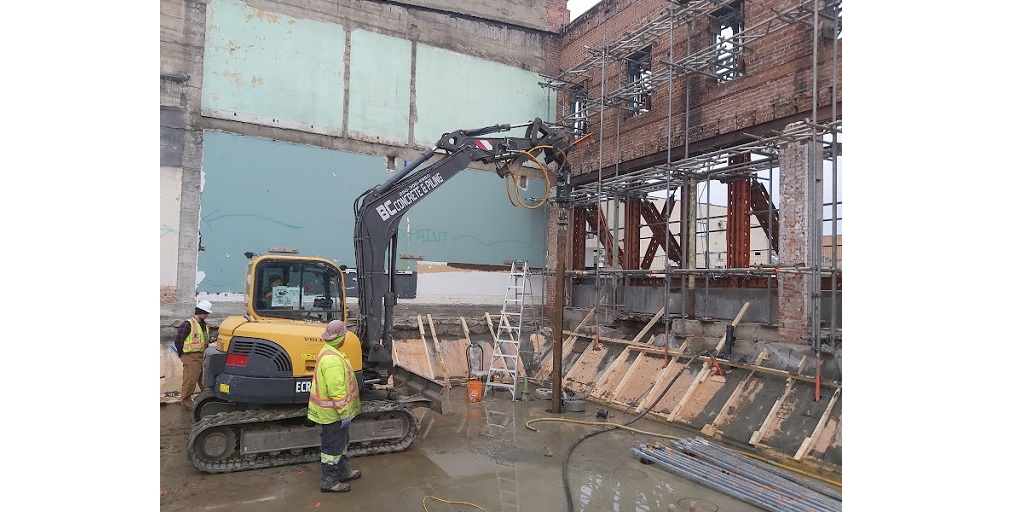
At its core, a helical pile foundation consists of a steel shaft with helical-shaped plates, or helices, attached along its length. These helices are akin to large screws, designed to penetrate the soil with minimal disturbance. The installation process involves rotating the pile into the ground, effectively anchoring it securely. This unique design distributes the load evenly across a larger area of soil, providing superior stability compared to traditional foundation systems.
Engineering Principles at Work
The effectiveness of helical pile foundations lies in several key engineering principles:
Load Distribution: Helical piles utilize the principle of distributing loads over a larger area, reducing the risk of soil settlement and ensuring structural integrity. By screwing into the soil, the helices create a significant bearing capacity, capable of supporting heavy loads.
Soil Mechanics: Understanding the properties of the soil is paramount in designing helical pile foundations. Factors such as soil type, density, and moisture content influence the pile’s capacity to resist uplift and lateral forces. Engineers conduct thorough soil tests to determine the optimal design and placement of helical piles for each specific project.
Structural Integrity: Helical pile foundations are engineered to withstand various environmental conditions, including seismic activity and frost heave. The design considerations encompass factors such as pile diameter, helix size, and spacing to ensure the structural integrity of the foundation under all circumstances.
Advantages and Applications
The engineering ingenuity behind helical pile foundations brings forth a multitude of advantages:
Versatility: Helical piles are suitable for a wide range of soil conditions, including rocky terrain and areas with high water tables. Their modular design allows for easy customization to accommodate various load requirements and foundation depths.
Speed of Installation: Compared to traditional foundation methods, helical pile installation is faster and requires fewer resources. This efficiency translates to cost savings and accelerated project timelines, making helical piles an attractive choice for contractors and developers.
Environmental Friendliness: The minimal soil disturbance associated with helical pile installation minimizes the ecological footprint of construction projects. Additionally, the reusable nature of helical piles reduces waste and promotes sustainability in the construction industry.
Conclusion
The engineering principles behind helical pile foundations exemplify innovation and efficiency in modern construction practices. From load distribution to soil mechanics, these foundations are a testament to the synergy between engineering expertise and environmental consciousness.
Atlas Piling: Your Trusted Partner in Foundation Solutions
When it comes to implementing helical pile foundations for your project, Atlas Piling stands as a beacon of reliability and expertise. With years of experience in the industry, Atlas Piling offers comprehensive solutions tailored to your specific needs. From initial design consultation to seamless installation, their team is committed to delivering superior results that exceed expectations. Trust Atlas Piling to provide the foundation for your success, ensuring stability and longevity for your structures.
