
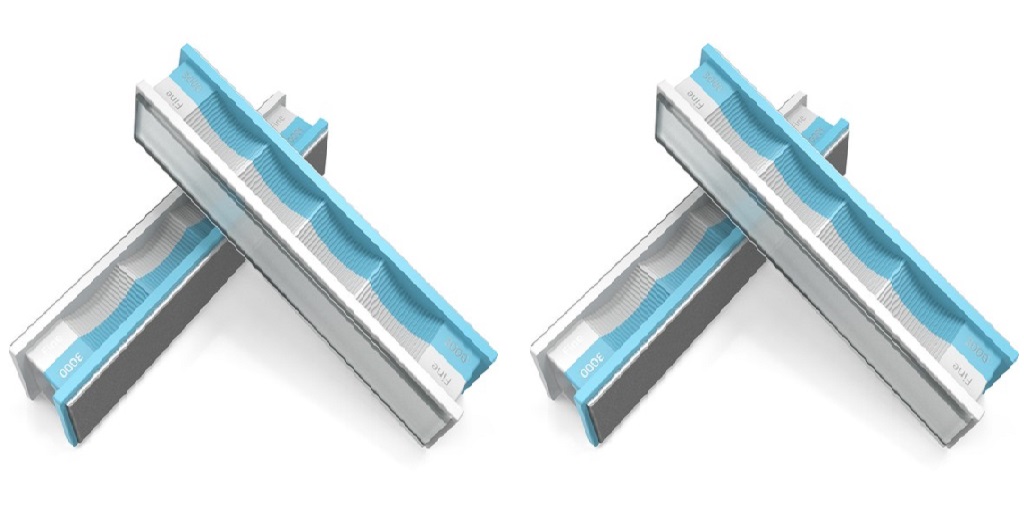
If you carry a knife, the second most important thing you need to know how to use – besides safely use the knife – is a sharpening stone.
Your knife won’t be much good to you after you get dull, and trust us when we say, it doesn’t matter how sharp it starts out or what the steel alloy is, it will get dull eventually, and sooner rather than later if you use it daily.
So, how do you use a sharpening stone effectively to restore an edge?
This short post will break that down under the assumption that the edge is not quite dull, but just needs to be touched up.
Do You Need Water?
First things first, there are some guides that will tell you you need to wet the surface of the sharpening stone with water before you proceed.
Water does help prevent the stone’s pores and surface irregularities from getting choked with steel swarf and losing efficacy. It also helps “float away” the particles you remove from the edge.
You may notice a slight boost in efficiency if you wet the surface of your stone, though it is not absolutely necessary to do so.
A Note on Oil or Honing Solution
One note, if you apply oil to your sharpening stone, you will never be able to get it out. The same goes for honing solutions that are oil-based.
Therefore if you are going to use a liquid agent to improve sharpening efficiency, water is better than oil.
The Basic Process
As for the basic process of using a sharpening stone to restore an edge, here’s what you need to know.
Lay the blade flat on the stone, with the edge pointing away from you. Now raise the spine of the knife by approximately a centimeter so that the edge contacts the surface of the stone at an angle of approximately 15-20 degrees.
Pass the edge of the knife over the stone, as though you are trying to shave a thin slice from the top of the stone.
Depending on how dull the knife is, this will take some time. A relatively sharp edge might only need 10 to 20 passes to bring it back to snuff. An edge that is more dull will require more.
After 10 passes, feel the edge. If you can feel a burr starting to form, then flip the knife over and give it the same number of passes on the other side.
Repeat this process until you feel that you have restored the edge to a level that is acceptable for the disciplines and applications to which you will apply the knife.
Alternatively, you could run the knife in a circular pattern instead of sharpening it on the stone in the manner described above, but all other notes still apply.
Beyond the Sharpening Stone
If you need a truly sharp edge, after you have finished restoring it on the sharpening stone, lay the flat of the blade on your pants, then draw the spine towards you, so that the edge is facing away from you. Repeat this process several times, then in the same manner on the other side of the knife.
This is called stropping and it aligns the microserrations on the edge of the blade, resulting in a truly razor sharp edge if sharpening has been performed properly in the first place.
Here for a New Sharpening Stone?
In the market for a new sharpening stone, or a pocket stone you can keep in your pack so you always have one when you need it? Visit White Mountain Knives. They carry a wide range of sharpening stones and kits, among other indispensable tools and accessories.
