
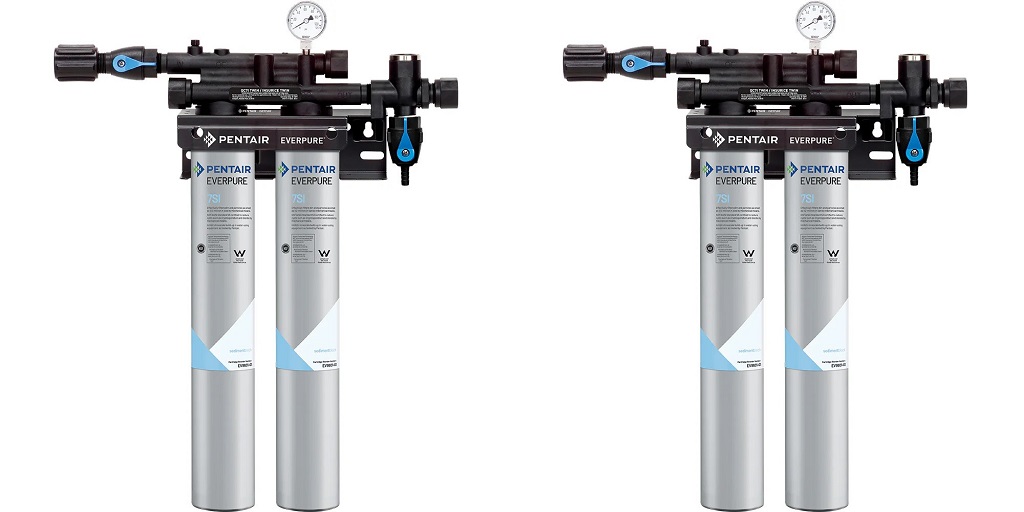
If you operate a commercial kitchen, run a café, manage a hotel, or even just use an ice machine at home, chances are you’ve heard that you need to change your ice machine filter regularly. But what exactly does an ice machine filter and cartridge do, and why is it so important?
It’s easy to overlook the filter when it’s hidden inside the machine, quietly doing its job. However, this small component plays a huge role in keeping your ice clean, your machine running smoothly, and your customers satisfied.
The Basics: How an Ice Machine Works
Before we dive into the filter itself, let’s quickly review how an ice machine works. Water flows into the machine, where it’s frozen in a mold to form ice cubes, nuggets, or flakes. Once frozen, the ice drops into a storage bin or gets dispensed as needed. Sounds simple, right? But the quality of the water going in affects every step of that process and that’s where filtration comes in.
The Role of the Ice Machine Filter
An ice machine filter is designed to purify the water before it ever reaches the ice-making components. It removes impurities, contaminants, and particles from the water, resulting in cleaner ice and better machine performance. Here’s what it targets:
1. Chlorine and Chemical Taste/Odor
Municipal water is often treated with chlorine or chloramine to kill bacteria and make it safe to drink. While effective for sanitation, these chemicals can give your ice a bad taste or smell. A good ice machine filter uses activated carbon to reduce these chemicals, improving the taste and odor of the ice dramatically.
2. Sediment and Particulates
Water can carry a surprising amount of sediment—sand, rust, dirt, and other tiny particles. If these are allowed to build up inside your ice machine, they can clog water lines, scratch internal components, and reduce ice clarity. Filters trap these particles before they ever reach the freezing chamber.
3. Scale-Forming Minerals
Hard water contains minerals like calcium and magnesium that can create scale buildup over time. This mineral scale can coat evaporator plates and sensors, making your machine work harder, reducing ice production, and increasing energy usage. Some ice machine filters include a scale inhibitor to help minimize this problem.
4. Microbial Contamination
While filters aren’t a substitute for proper cleaning and sanitizing, many models now include antimicrobial protection to inhibit bacterial growth within the filter housing. This helps extend the life of the filter and adds another layer of defense for cleaner ice.
Why Filtered Water Matters for Ice
The ice your machine produces is only as clean as the water it uses. When that water is full of minerals, chemicals, or sediment, it doesn’t just affect the taste and appearance of the ice—it can also damage your equipment over time.
Poor water quality can lead to:
- Cloudy or bad-tasting ice
- Slow ice production
- Machine malfunctions or breakdowns
- Increased energy consumption
- Shorter equipment lifespan
All of these issues cost you time, money, and customer trust. Using a proper filter helps you avoid these problems and keeps your ice machine running at its best.
Benefits of Using an Ice Machine Filter
Investing in a good ice machine filter offers multiple benefits:
- Better Tasting Ice: Clean, fresh-tasting ice with no off-putting chemical flavors.
- Improved Appearance: Clearer ice cubes without cloudiness or particles.
- Extended Equipment Life: Protection against scale and sediment that can wear down components.
- Lower Maintenance Costs: Fewer service calls and repairs due to water-related issues.
- Higher Efficiency: A clean machine works faster and more efficiently, saving you energy.
Ice machine filters and cartridges may be small, but they do a heavy-duty job behind the scenes. From improving the taste of your ice to protecting your equipment, a good filter is an essential part of your setup—especially in commercial environments where performance and quality matter.
If you’ve been neglecting your filter or using an unfiltered setup, now’s the time to make the switch. It’s one of the easiest upgrades you can make to ensure better-tasting ice and a longer-lasting machine.
