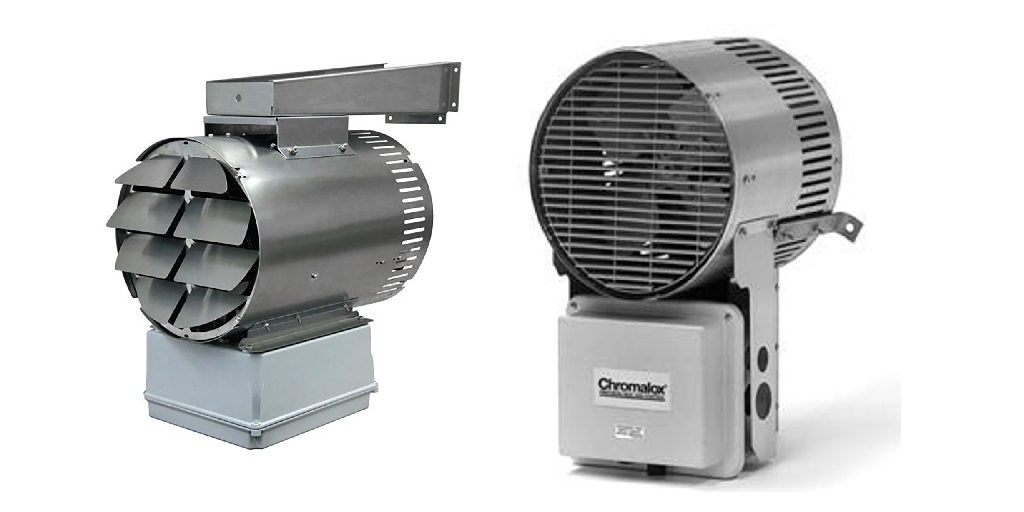
Wash bay operators deal with one of the more punishing environments in commercial property ownership. Every shift brings pressure washing, aggressive chemical degreasers, soap runoff, and vehicles tracking in road salt, diesel, and mud. The equipment takes a beating, and so does the building. Most owners don’t think much about heating until a unit corrodes out or a pipe freezes mid-January, the bay goes offline, and a repair bill lands that costs more than a proper heater ever would have. Choosing the right washdown heater up front is the kind of decision that pays for itself season after season.
Can a Standard Heater Survive What Happens in a Wash Bay Every Day?
Standard commercial heaters don’t belong in wash bays. The spray alone causes problems, but chemical exposure is what really shortens the lifespan. Degreasers, alkaline detergents, and high-pH sanitizers eat through painted steel enclosures faster than most owners expect, and once moisture gets inside an unsealed unit, the damage compounds quickly. A washdown heater is built to a different standard: fully sealed enclosures, corrosion-resistant materials, and ratings that hold up when a pressure washer hose gets pointed somewhere nearby. The NEMA 4X heater rating is the benchmark wash bay operators should look for; it indicates a unit designed to withstand water ingress, chemical exposure, and physical impacts without failing. A corrosion-resistant heater in this environment is the baseline, not a premium add-on, for anything expected to actually last.
Which Specs Actually Tell You a Washdown Heater Will Hold Up?
Manufacturers like Berko, Chromalox, Markel, QMark, and Ruffneck build units specifically designed for wet, chemically active environments. Their lines include stainless steel heater housings that resist pitting and rust, sealed terminal boxes, and construction standards drawn from some of the most demanding industrial settings around: food processing facilities, pharmaceutical plants, marine environments, and chemical operations.
Wash bay owners often realize this when they start comparing industrial electric heater options in detail. The crossover between food processing environments and wash bay environments is bigger than most people expect. Sanitation protocols differ, but the demand for equipment that won’t corrode or fail under constant moisture and chemical exposure is the same. Some facilities also need an explosion-proof heater, particularly those washing vehicles or equipment used near fuel storage. Certain Ruffneck and Chromalox models carry that rating, and it’s worth confirming before assuming a standard unit will cover the application. Matching the right spec to the actual space means the wall-mounted washdown heater runs for years rather than needing replacement after two.
The Wrong Supplier Will Sell You the Wrong Washdown Heater
Most HVAC distributors can pull a catalog and hand over a unit, but wash bay heating is specific enough that the supplier needs to understand harsh-environment heater applications to be actually useful. A heating solution rated for wet, chemical-heavy conditions looks different from a general-purpose commercial unit on paper, and the right choice depends on answers to questions most catalog sellers don’t think to ask: How large is the bay? Is it enclosed or open-sided? What cleaning chemicals run through it regularly?
Northstock stocks the full lineup from Berko, Chromalox, Markel, QMark, and Ruffneck, with options ranging from standard NEMA 4X enclosures to full harsh-environment heater specs for the most demanding wash applications. Wash bay owners looking to get the right unit the first time can browse Northstock’s full catalog.
For more information about Vtac Units and Oil Heater Please visit: NorthStock Inc.