
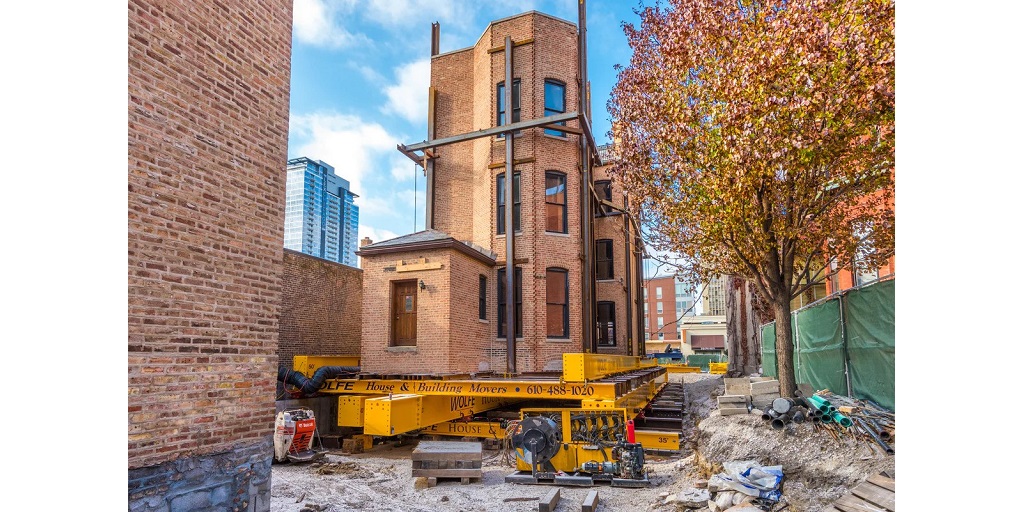
Bridge relocation is one of the more logistically demanding applications for structural moving equipment. When a bridge needs to be moved from one site to another, whether for road expansion, historic preservation, or infrastructure redevelopment, contractors need a coordinated set of tools capable of handling substantial loads and precise movement across variable terrain.
The Right Structural Moving Equipment Starts With Understanding the Process
Bridge moves follow a defined sequence. The structure has to be lifted free of its bearings, transferred onto a transport system, moved along the planned route, and set down at the destination. Each phase requires specific equipment matched to the load and site conditions.
Jacking systems handle the initial lift. Hydraulic power units supply the force needed to raise the span and maintain consistent pressure throughout the operation. Finding structural moving equipment for sale that covers both the lift and transport sides is important because the systems work in coordination. An undersized power unit creates problems throughout the entire operation, not just in one phase.
Steerable dolly systems take over once the structure clears the abutments. Standard dollies handle straight-line transport well, but most bridge moves involve at least some directional change, and steerable units give operators direct control over the load’s path. Building relocation equipment in this category needs to match the bridge’s weight class and the route’s clearance requirements before any transport begins.
Temporary bridge solutions also factor into planning when the span being relocated carries live traffic. Contractors need a way to maintain access during the move, and purpose-built temporary spans meet that requirement without a full road closure for the duration of the project.
Where Contractors Find Structural Moving Equipment for Sale
Heavy rigging equipment suppliers and structural moving specialists often operate in adjacent markets without much product overlap. Rigging suppliers carry lifting hardware, chains, and related gear, which serve many construction applications well but do not cover dolly systems, slide tracks, and hydraulic equipment specific to whole-structure transport. Contractors sourcing for a bridge move benefit from working with suppliers who stock building relocation equipment specifically, rather than general rigging inventory.
Used structural moving equipment is a practical option for projects with tighter budgets. Reputable suppliers service and inspect used inventory before it reaches the market, and hydraulic units with documented maintenance histories perform reliably in the field. Sourcing structural moving equipment for sale in the used category can cover a substantial portion of a project’s equipment list at a reduced cost, particularly for components like power units with predictable service records.
House-moving equipment manufacturers sometimes supply product lines that overlap with bridge-relocation work. Certain dolly and jacking systems originally built for residential or commercial building moves carry enough capacity for lighter bridge spans. Contractors already familiar with building move applications may find that some suppliers stock both, which simplifies the sourcing process considerably.
Selecting a Supplier for Structural Moving Equipment
Equipment suppliers who understand the application ask the right questions before quoting. Span length, load distribution, route clearances, site conditions, and project timeline all affect which gear is appropriate. Specific recommendations based on the project’s actual details are more useful than a quote pulled from a general catalog.
Some contractors approach bridge moves with a combination of purchased and rented equipment. Components used only on a single project may not justify purchase, while tools used across multiple jobs are worth owning outright. Suppliers that offer both options provide greater flexibility across different project scopes.
Field support matters throughout a project. Conditions change on-site, and suppliers with hands-on experience in structural moving work can respond to problems as they develop rather than after delays have already accumulated. That kind of practical familiarity with the equipment and the work makes a measurable difference when a job hits an unexpected complication.
Contractors planning a bridge relocation or any comparable heavy-structure project can explore the full range of structural moving equipment for sale through Buckingham Structural Moving Equipment, a supplier with extensive inventory and direct experience in heavy-structure transport applications.
For more information about Toe Jacks and Gantry Crane Rental Please visit: Buckingham Structural Moving Equipment, LLC.
