
Mold is an unwanted guest in any home or building, and it can cause more than just unsightly stains on walls. It can impact air quality, trigger allergies, and even lead to structural damage if left unchecked.
One of the ways to tackle a mold problem is by using a mold fogger. But how do you know when it’s the right time to bring one into play? Read on below for an exploration of when you should consider using a mold fogger, how it works, and what factors you need to keep in mind:
What Is a Mold Fogger and How Does It Work?
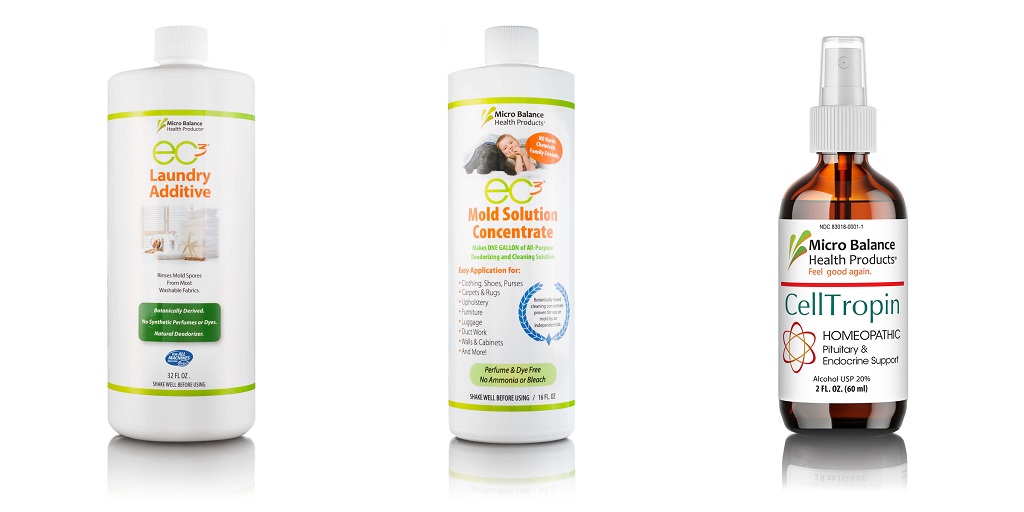
A mold fogger is a device that disperses mold-neutralizing chemicals into the air in the form of a fine mist or fog. Micro Balance Health Products’ mold fogger, in particular, the EC3 Sanitizer Fogger, performs best when it’s used with the brand’s EC3 Mold Solution Concentrate, a safe and natural botanically-based solution that can be used on all hard and soft surfaces.
The mist dispersed by a mold fogger can reach areas that might be difficult to clean manually, such as crevices, behind large appliances or pieces of furniture, or inside ventilation systems.
So, when is it actually a good idea to use one?
When Mold Covers Large Areas
Using a mold fogger can save you a lot of time and effort, especially if you have a significant mold problem that spans a large area.
For instance, if your basement or attic has developed widespread mold growth due to excessive humidity or water leaks, then a fogger may be more effective than scrubbing every inch manually. Foggers can disperse the anti-mold solution evenly across an entire room, allowing it to settle into all the nooks and crannies that might otherwise go unnoticed.
However, it’s worth keeping in mind that while foggers are excellent for treating large areas, they should not be used as the sole method of mold removal. Foggers can only eliminate mold spores and prevent further growth; you will still need to physically remove visible mold, especially if it’s growing on porous materials like drywall or wood.
When You Can’t Access Hidden Mold
Mold can grow in places that you can’t easily see or reach – it’s one of the biggest challenges that you may encounter when dealing with it. This includes behind walls, in ceilings, or inside air ducts, for example. Using a mold fogger can be a practical solution if you suspect that mold is lurking in these hidden areas that you can’t access without tearing apart your home.
Mold foggers are particularly effective at reaching hidden mold spores, especially in hard-to-access areas. Since the fog can spread and settle into spaces that are typically off-limits, it can help to reduce the mold problem without you having to go through a full-scale demolition project. This makes foggers especially useful in old homes or buildings where mold has taken root in areas like crawl spaces or behind plaster walls.
When You Want to Improve Indoor Air Quality
Mold doesn’t just stick to walls and surfaces. It also releases spores into the air, which can lead to poor indoor air quality. If you or anyone in your household suffers from mold sensitivities or has been experiencing allergies, respiratory issues, or other health symptoms that you suspect are related to mold, using a mold fogger might help.
Foggers can reduce the number of airborne mold spores, improving the overall air quality in your home. This is especially useful if you’ve already removed visible mold but still notice symptoms like sneezing or coughing. While it’s not a substitute for a thorough cleaning or professional mold remediation, fogging can provide some relief by neutralizing spores that are floating in the air.
Mold foggers can be an effective tool for treating mold problems, but they’re not a one-size-fits-all solution. Just remember that fogging is a part of the mold-removal process and should be combined with other methods like physical cleaning and moisture control to fully tackle the issue. If the mold problem is severe, don’t hesitate to call on mold remediation professionals to handle it.
