
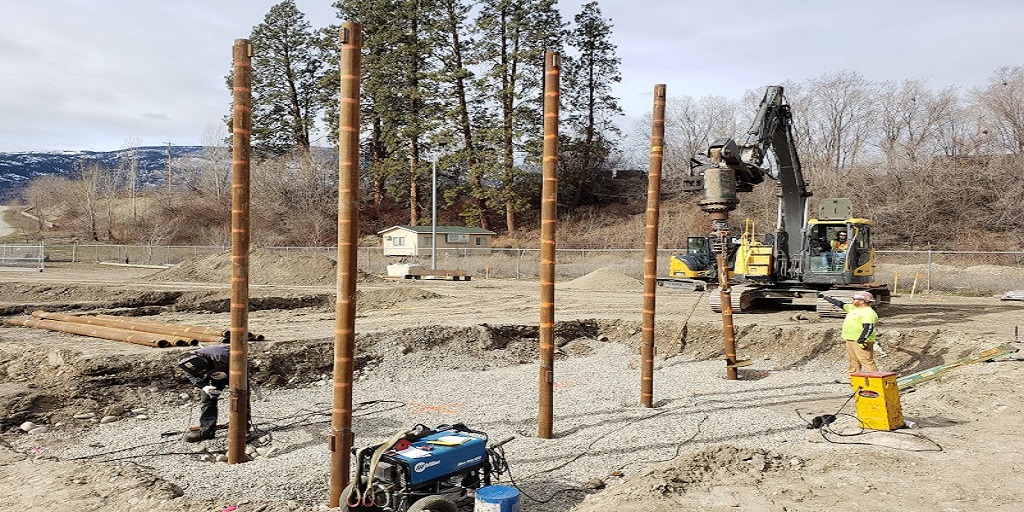
Helical piles are widely praised for their versatility and efficiency. However, certain ground conditions—such as dense, rocky soil—can challenge even the most reliable helical piling systems. In these cases, construction professionals must find creative solutions to keep their projects on track. For those in the industry, it’s crucial to understand how to handle these scenarios and when to explore alternatives.
Why Dense or Rocky Soil Creates Challenges
Helical piles work by being screwed into the ground like a giant corkscrew, relying on soil resistance to provide stability. In dense soil or areas filled with rocks, this process can become complicated. The pile may meet excessive resistance, slowing down installation or preventing it from reaching the necessary depth. Additionally, rocky conditions may damage the equipment or cause the pile to deflect, compromising its alignment.
These challenges raise questions for contractors about the feasibility of using helical piles in such environments. Fortunately, helical pile companies have developed alternative approaches and solutions to keep projects moving forward.
Strategies for Overcoming Installation Issues
When soil conditions are problematic, helical pile specialists employ a few key strategies to overcome these challenges:
- Pre-drilling through the soil layer. In situations where rocks obstruct the path, pre-drilling can loosen or clear obstacles. This technique creates a guiding hole, making it easier to install the helical pile without compromising precision or structural integrity.
- Switching to rock anchors. If the density of the ground makes it impossible to use conventional helical piles, contractors may opt for rock anchors. These anchors are specifically designed to fasten securely into hard surfaces, providing comparable stability to a helical system.
- Using hybrid piling systems. Another effective strategy is to combine helical piles with other foundation elements. For example, some projects use helical piles to a certain depth, then supplement them with concrete foundations or driven piles to ensure the structure’s stability. This hybrid approach can address situations where traditional helical piles are insufficient.
- Upgrading equipment and pile designs. Some helical pile companies use specialized equipment designed for high-resistance soil. Stronger torque motors and reinforced piles can sometimes make it possible to penetrate tough ground conditions. Additionally, wider helix plates or stronger shafts can enhance the pile’s ability to grip difficult terrain.
When to Use Alternatives to Helical Piles
In extreme cases, construction teams may decide to use alternative foundation systems. While helical piles are often the first choice due to their efficiency and cost-effectiveness, driven piles or concrete footings may be more suitable when dense or rocky soil makes installation too challenging.
Collaborating with experienced helical pile companies ensures that contractors have access to expert advice on when to proceed with helical piles and when alternatives are the better option. A company with extensive experience in varying soil conditions can help assess the site and determine the optimal foundation solution.
While helical piles remain a preferred foundation option, dense or rocky soil can pose significant challenges. Fortunately, the expertise and innovation provided by top helical pile companies make it possible to address these obstacles effectively. Through pre-drilling, hybrid systems, and specialized equipment, contractors can navigate tough ground conditions and keep projects on track. Understanding when to use alternatives ensures that every construction site, no matter the terrain, has a stable and reliable foundation.
By considering the full range of solutions, construction professionals can ensure that even the toughest terrain doesn’t stand in the way of a successful project.
