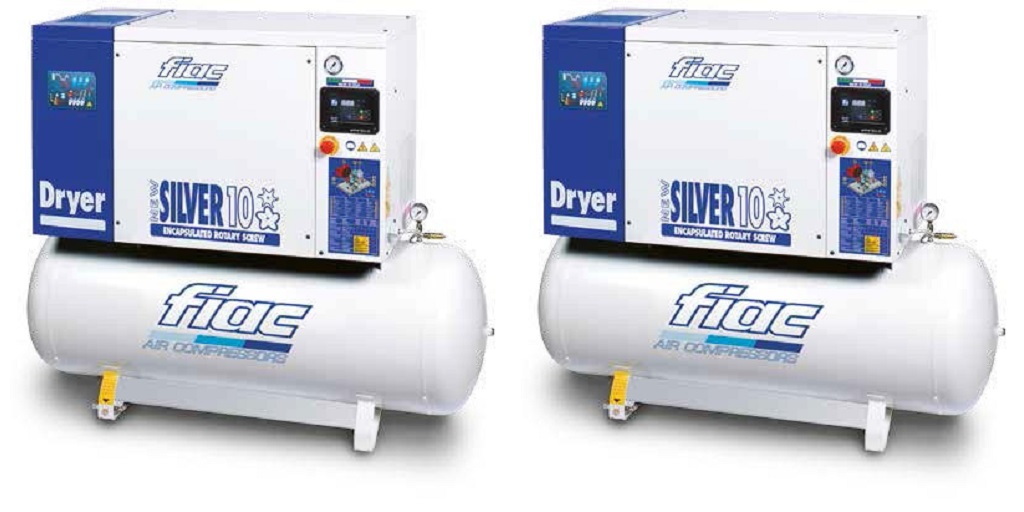
A 10 HP air compressor strikes the balance between power and efficiency. It is large enough to handle demanding equipment yet compact enough to fit inside small to mid-sized operations. For many industries, it’s the “sweet spot” where performance and practicality meet.
Understanding the 10 HP Air Compressor
When people talk about a 10 HP air compressor, they’re referring to a machine powered by a ten-horsepower motor. That power translates into steady airflow—usually between 30 and 40 cubic feet per minute (CFM)—and pressures in the range of 125 to 175 pounds per square inch (PSI).
Most units pair with tanks between 80 and 120 gallons. This provides a reliable reserve so the motor doesn’t need to cycle constantly. The result is consistent, pressurized air ready to run tools, machines, or production lines whenever needed.
Where It Excels
A 10 HP air compressor can serve across industries. Its capabilities go far beyond basic shop tools.
- Automotive repair and body shops. Impact wrenches, spray guns, grinders, and lifts run smoothly with steady air. A 10 HP system ensures technicians can operate multiple tools at once without drop-off in pressure.
- Manufacturing and fabrication. From CNC machines to pneumatic actuators, reliable compressed air supports precision work. Rotary screw models in this size class are built for continuous duty, making them ideal for production environments.
- Woodworking shops. Sanders, nailers, and dust collection systems benefit from steady airflow. Quiet rotary units can even be installed indoors without disrupting work.
- Labs and packaging facilities. Low noise levels—some as low as 67 dB(A)—mean compressors can sit directly in the workspace without affecting focus or sensitive equipment.
Rotary Screw vs. Piston
When looking at a 10 HP air compressor, the choice often comes down to design.
- Rotary screw compressors are built for continuous use, run cooler, and operate quietly. They’re best for facilities where uptime and noise control matter.
- Piston (reciprocating) compressors cost less upfront but are better suited for intermittent use. They tend to be louder, require more maintenance, and are less efficient under heavy workloads.
For businesses where compressed air is essential to daily operations, a rotary screw 10 HP unit is often the smarter long-term investment.
Key Features to Look For
When comparing models, a few features make a significant difference in performance and reliability:
- ASME-certified tanks for compliance and safety.
- High-efficiency motors (IE3 or better) to keep power consumption in check.
- Noise levels under 70 dB(A) for comfortable indoor installation.
- Integrated or optional dryers and filters to remove moisture and protect equipment.
- Simple maintenance access to controls, drains, and belts for reduced downtime.
These features ensure the compressor not only delivers air but also stands up to years of daily use.
Why This Size is the “Sweet Spot”
Smaller compressors often fall short in commercial applications. They may run hot, cycle excessively, and fail to keep up with demand. Larger units, while powerful, can consume more energy than necessary for mid-size operations.
A 10 HP air compressor sits right in the middle. It delivers the volume and pressure needed for multiple tools or machines without the overhead of an oversized system. This balance makes it one of the most versatile choices available.
For workshops, labs, and small factories, a 10 HP air compressor offers the right mix of power, efficiency, and reliability. Whether rotary screw or piston, choosing a well-built unit ensures years of consistent performance.
If you’re exploring options for your facility, visit Air & Vacuum Process, Inc. online to review a full range of compressors tailored to different industries and applications.